


What you need to know now about new construction vs existing home:
- New construction represents the superior financial move in 2026 for buyers determined to avoid volatile out-of-pocket renovation costs while taking full advantage of heightened builder incentives.
- The national price gap has narrowed to an unprecedented $1,400 between new builds and older properties, completely upending traditional real estate budgeting assumptions.
- Existing properties secure a swift 30-to-45-day closing timeline, whereas choosing a production build demands a flexible 6-to-9-month window in exchange for superior energy efficiency and structural protection.
- Bidding wars remain a frequent hazard when chasing older houses, a friction point entirely eliminated when contracting a fresh build directly with a developer.
This guide compares both options across the things that actually matter: cost, condition, timeline, customization, and long-term value. No fluff, no fence-sitting.
What Does “New Construction” Actually Mean in Omaha?
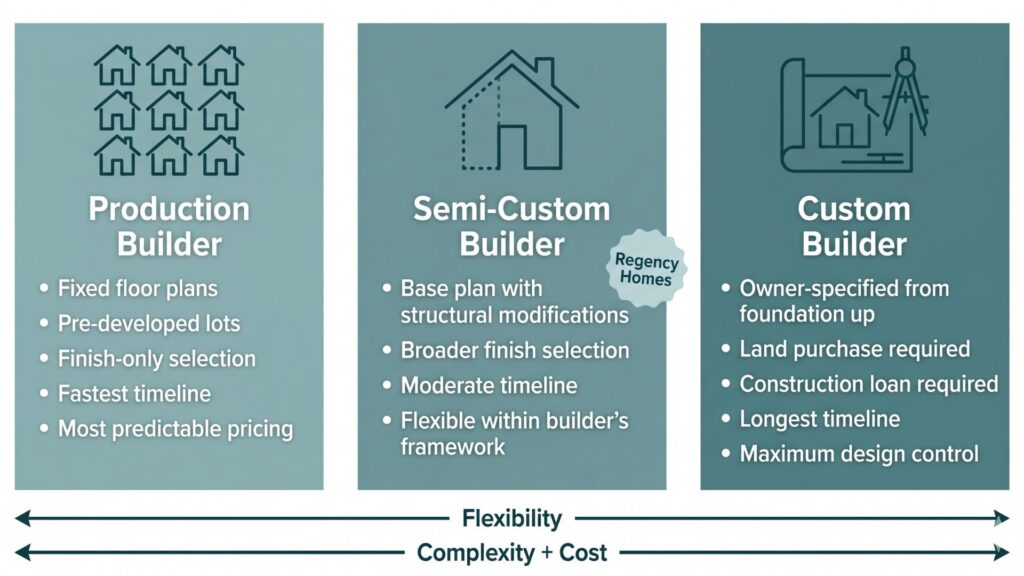
New construction means a home built from scratch after you place your order. In Omaha, that breaks into three distinct categories, and which one you choose shapes everything downstream.
Production Homes
A production builder offers a fixed catalog of floor plans on pre-developed lots within a community. The structure, layout, and lot are predetermined.
You choose finishes from a defined menu of options. Speed and pricing predictability are the tradeoffs for limited structural flexibility.
Semi-Custom Homes
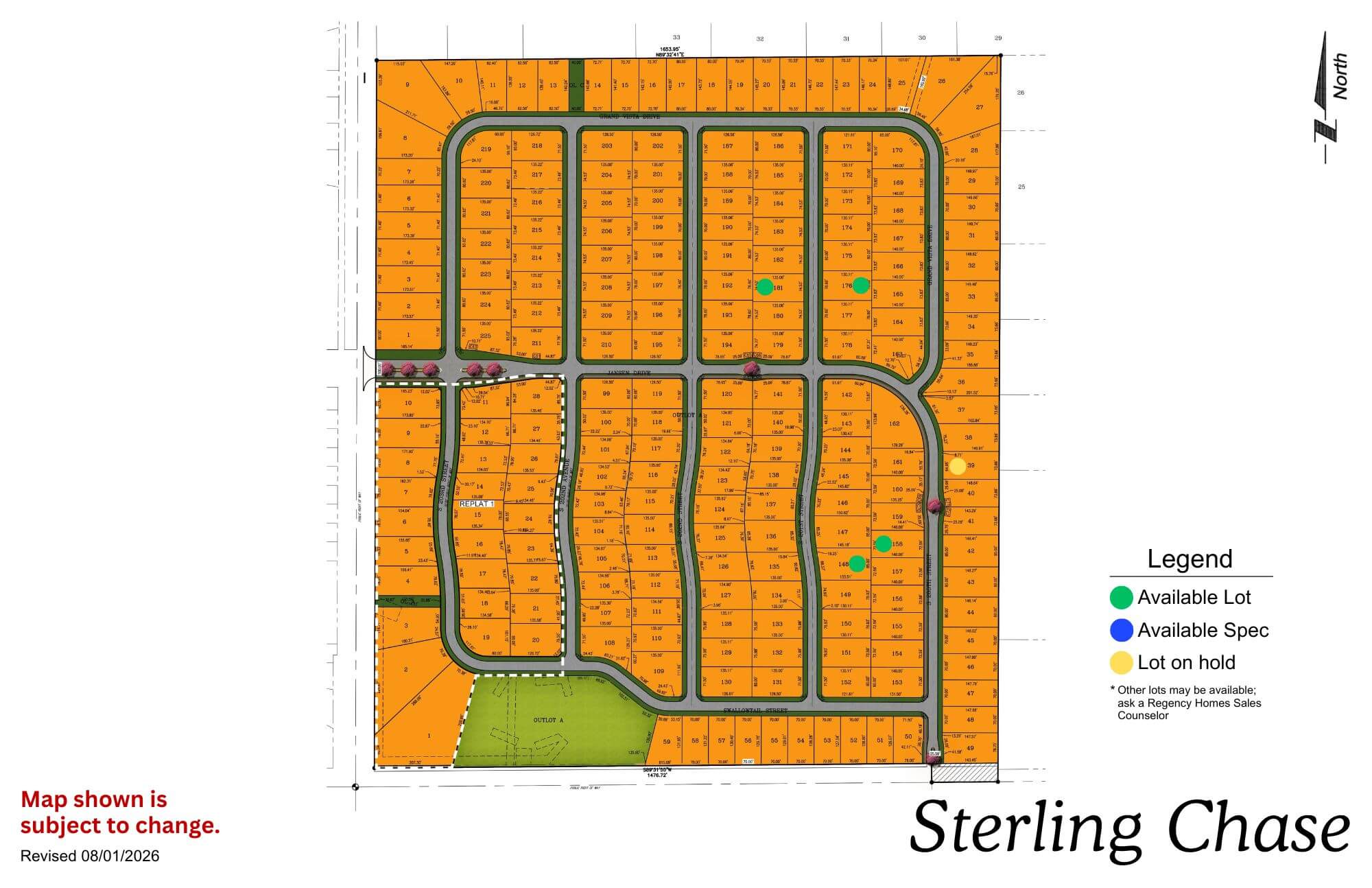
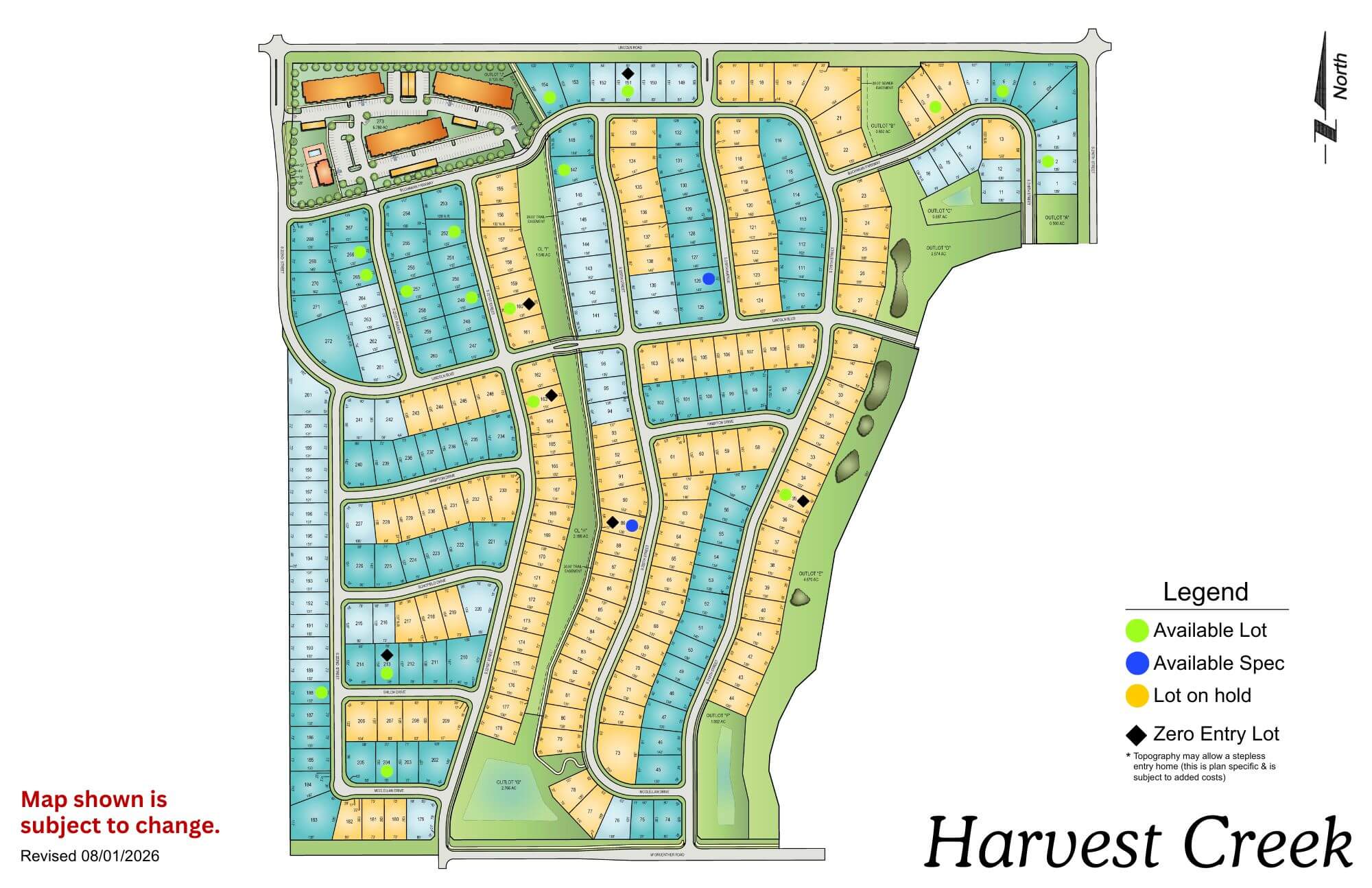
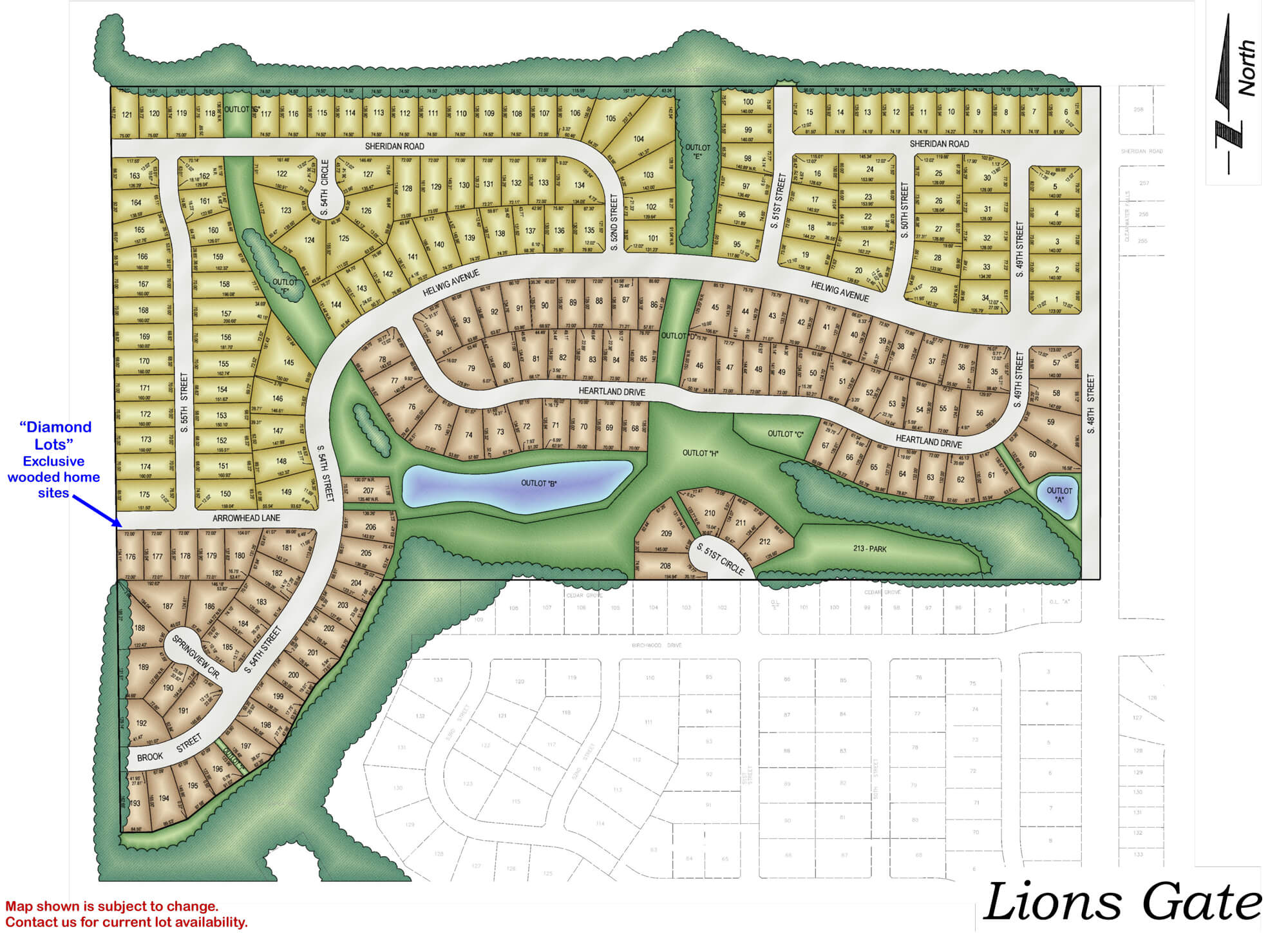
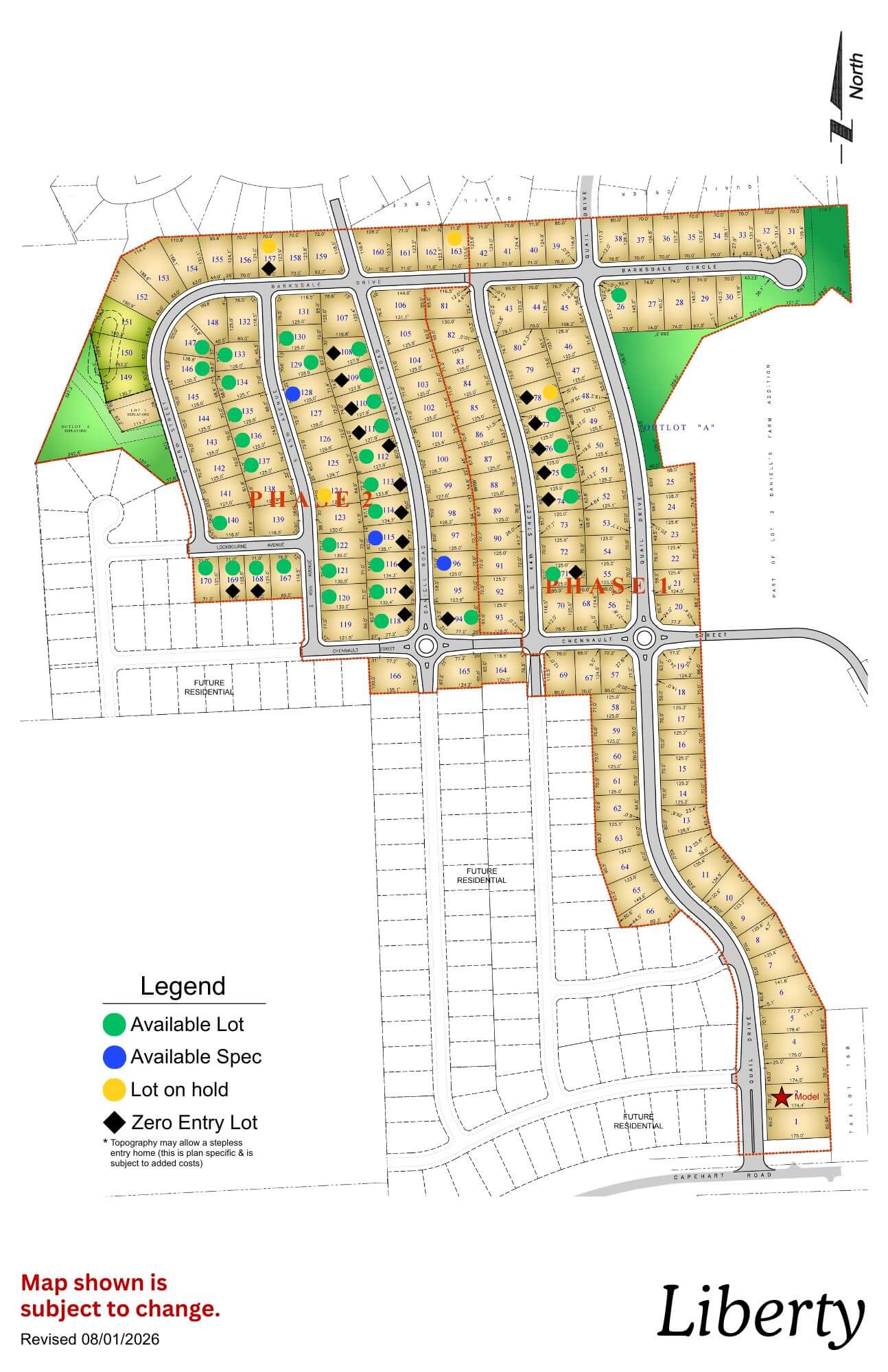
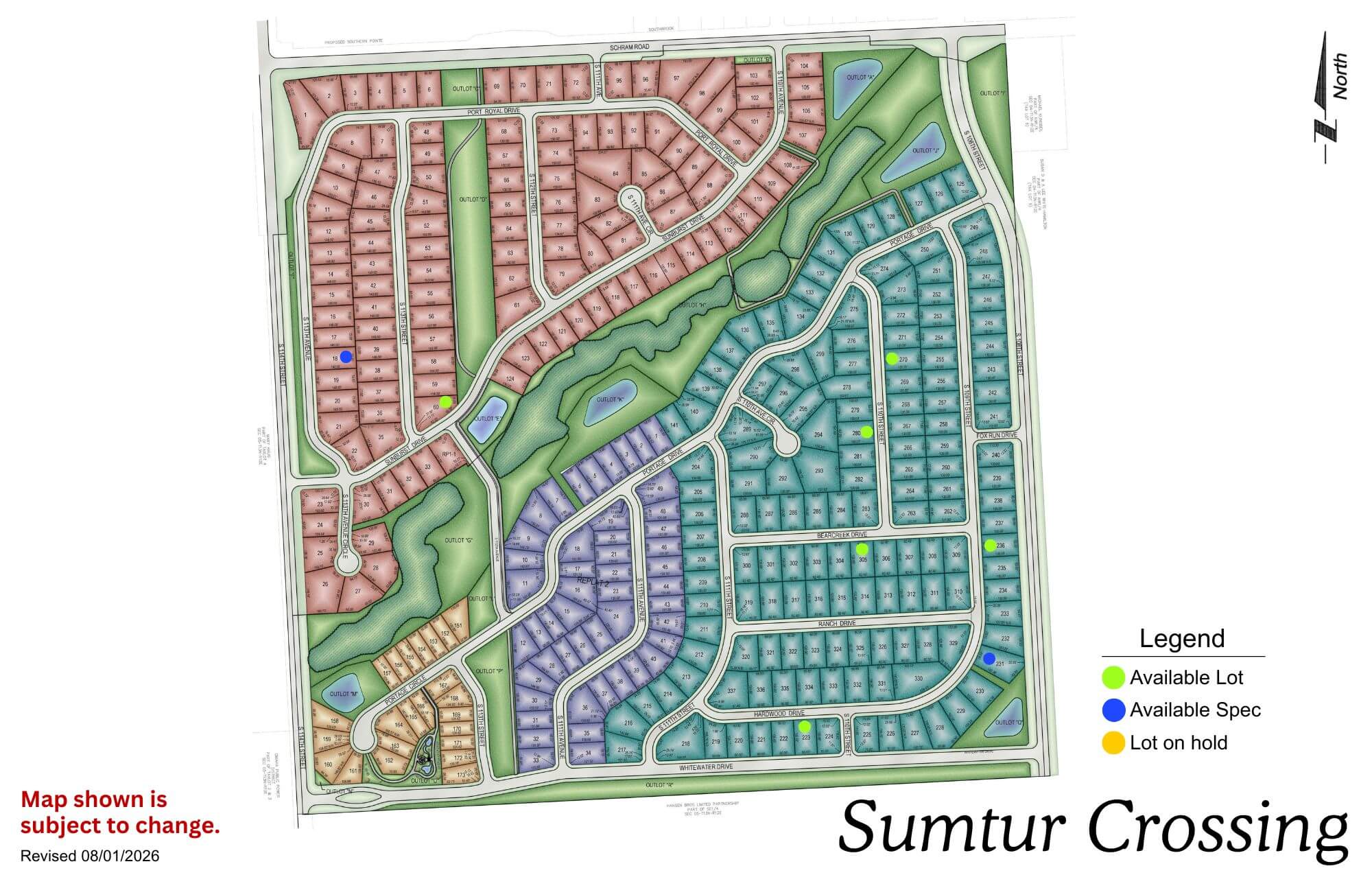
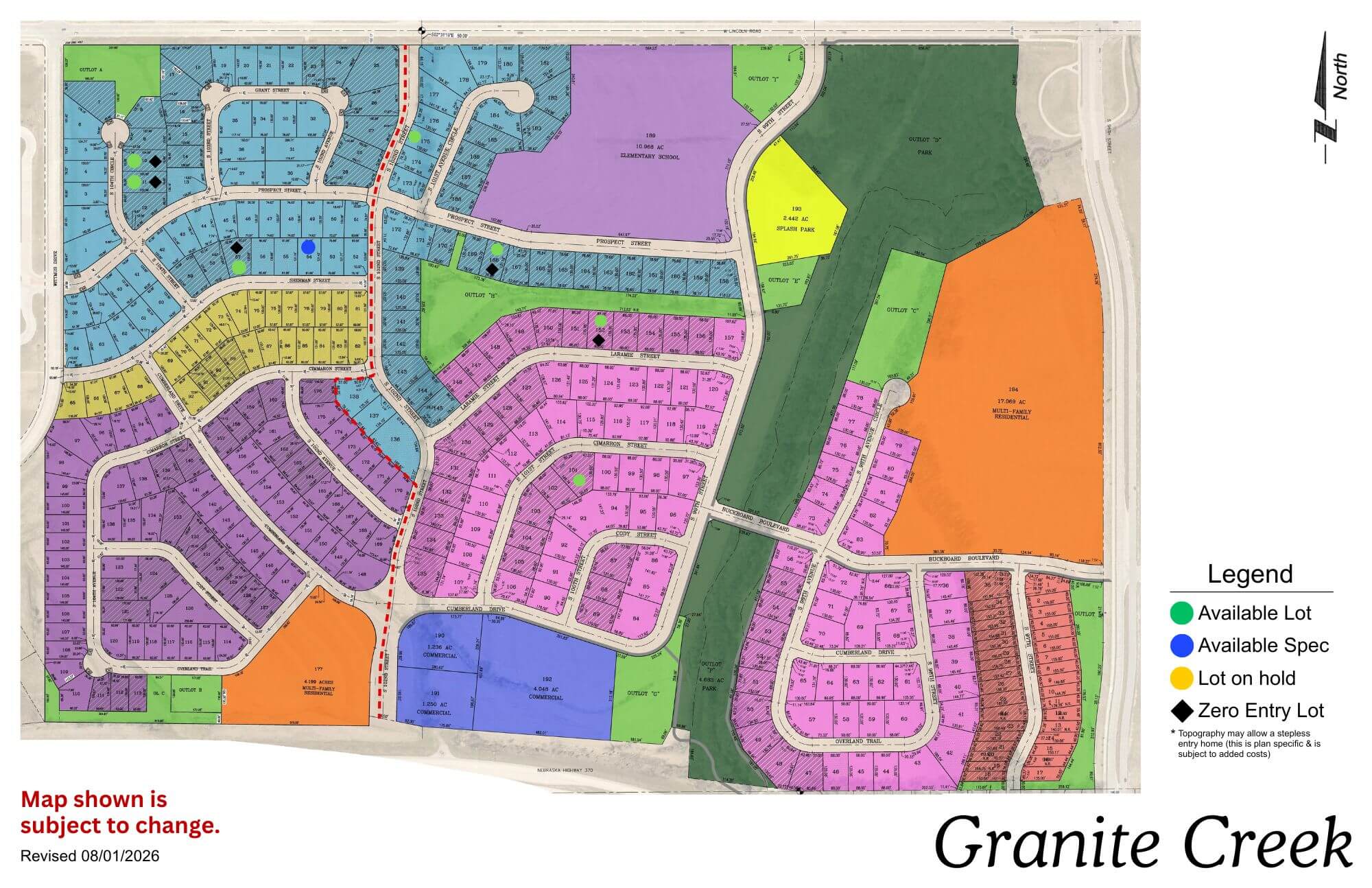
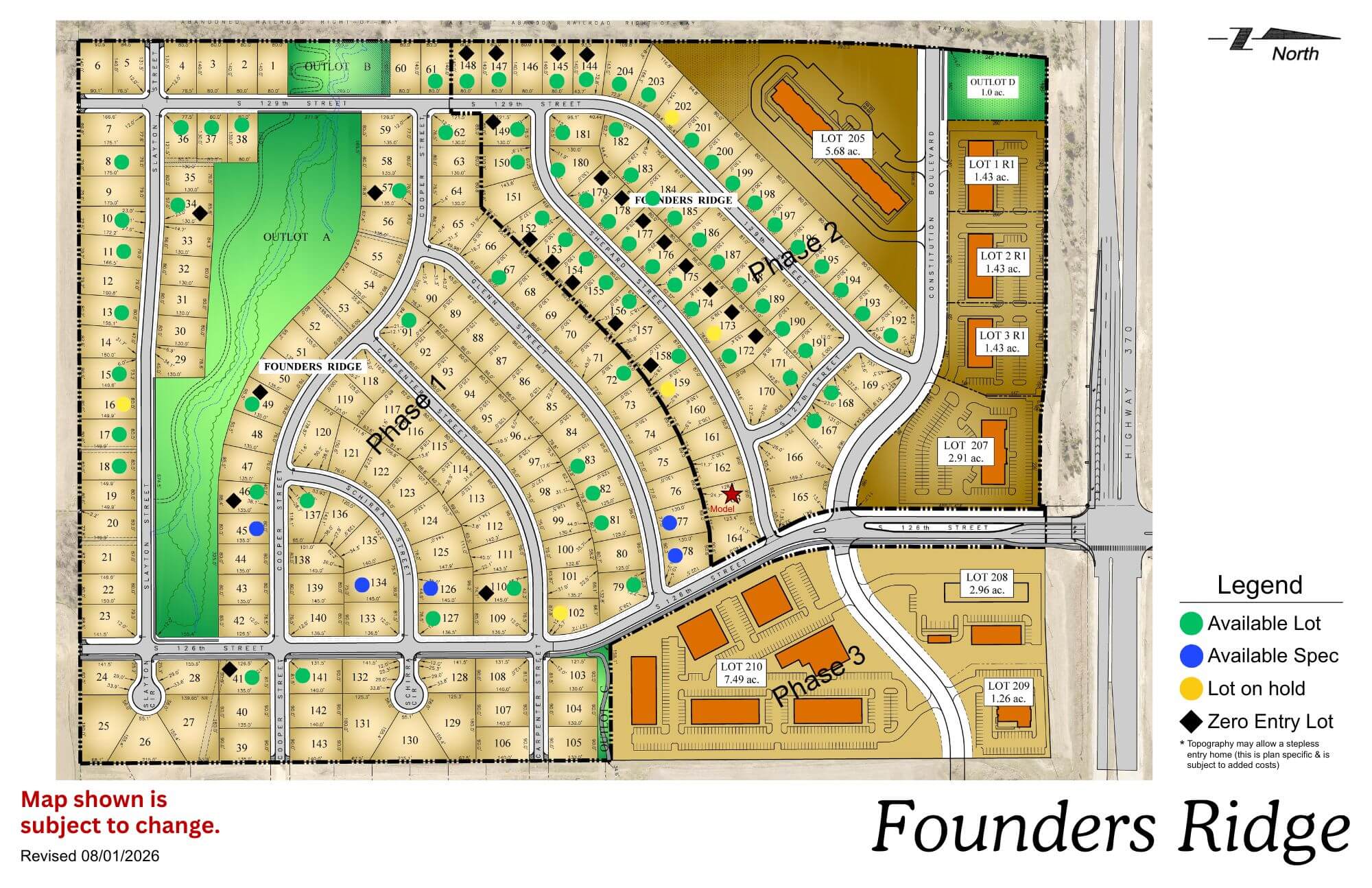
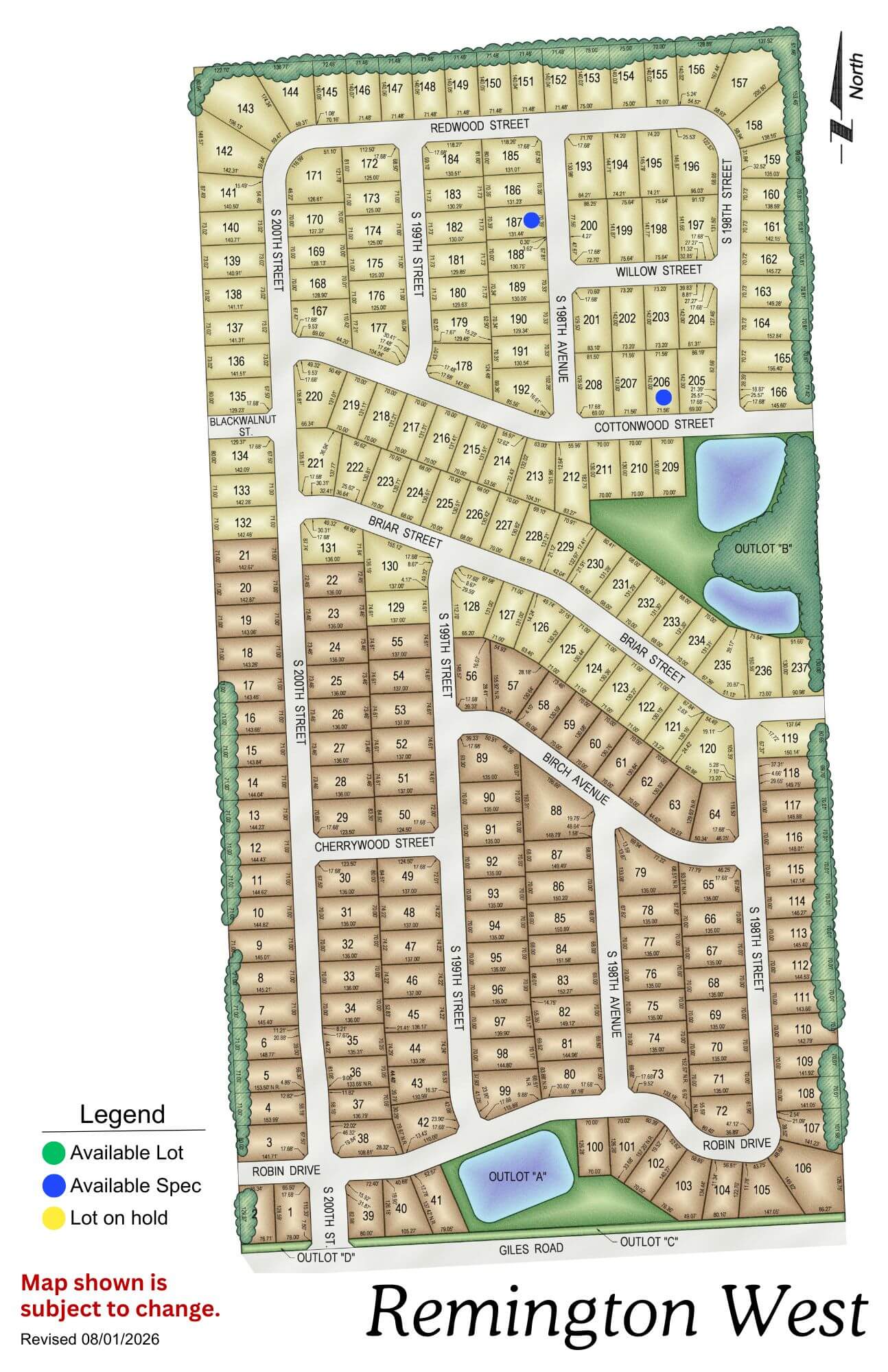
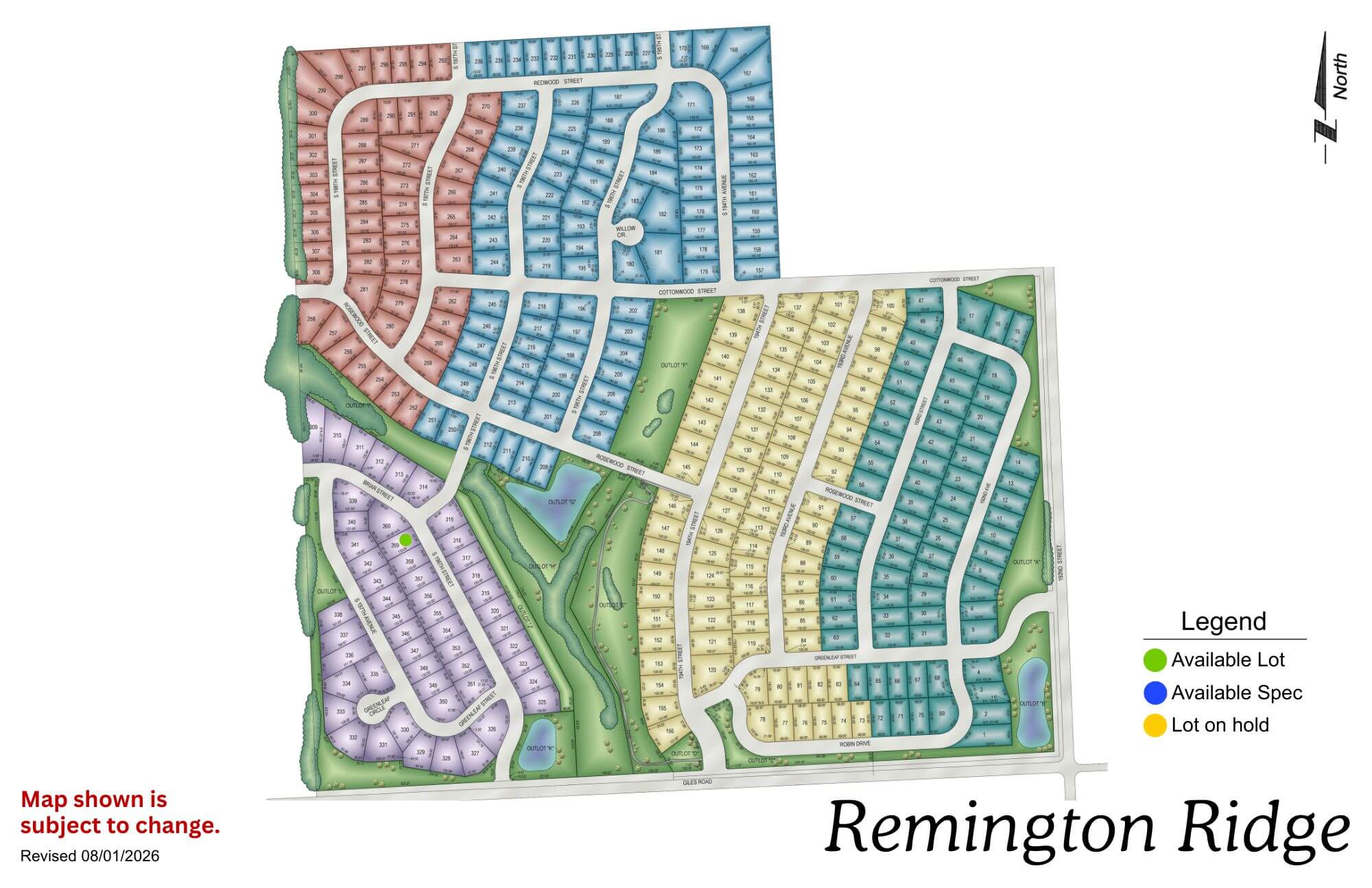
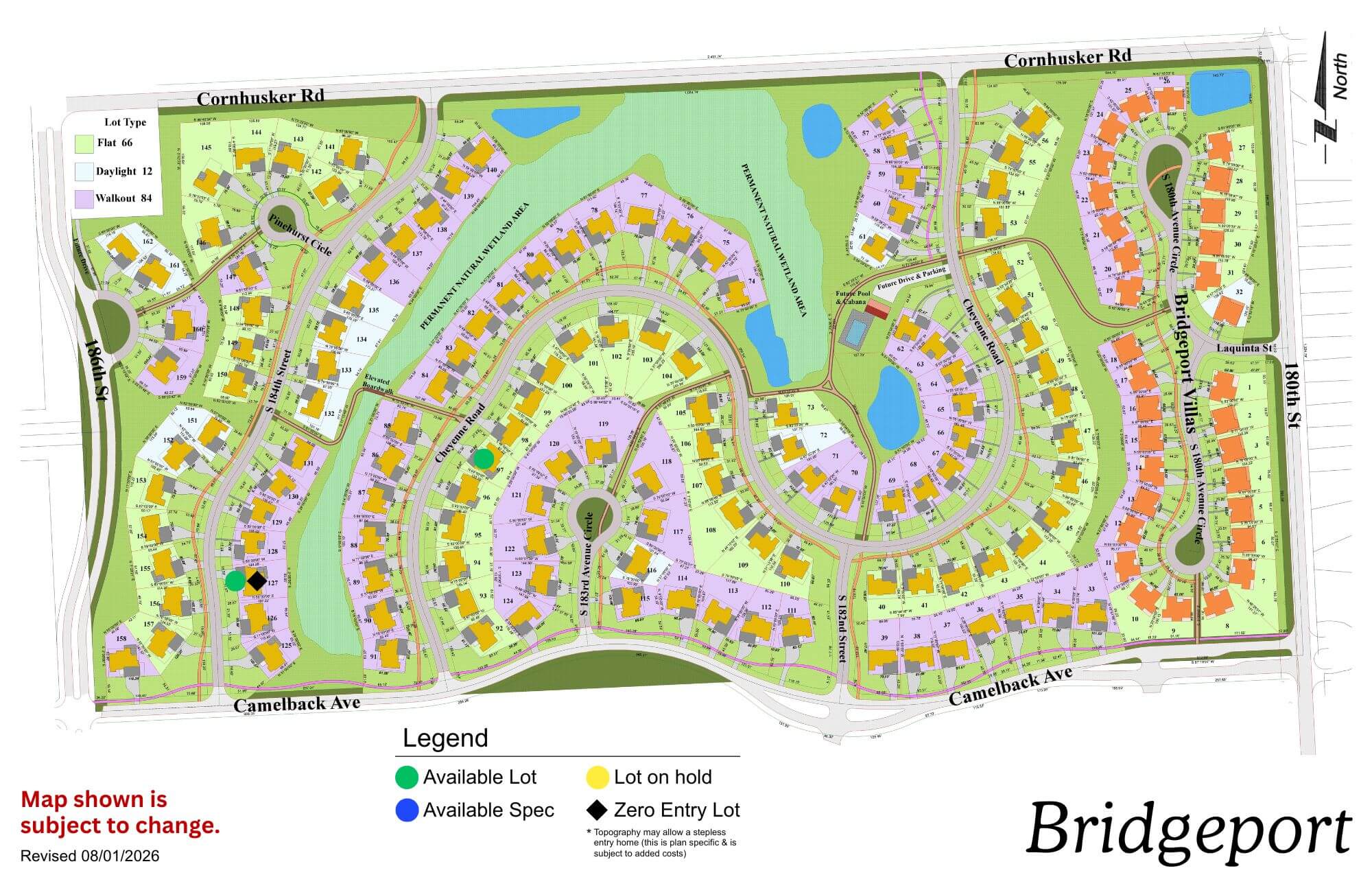
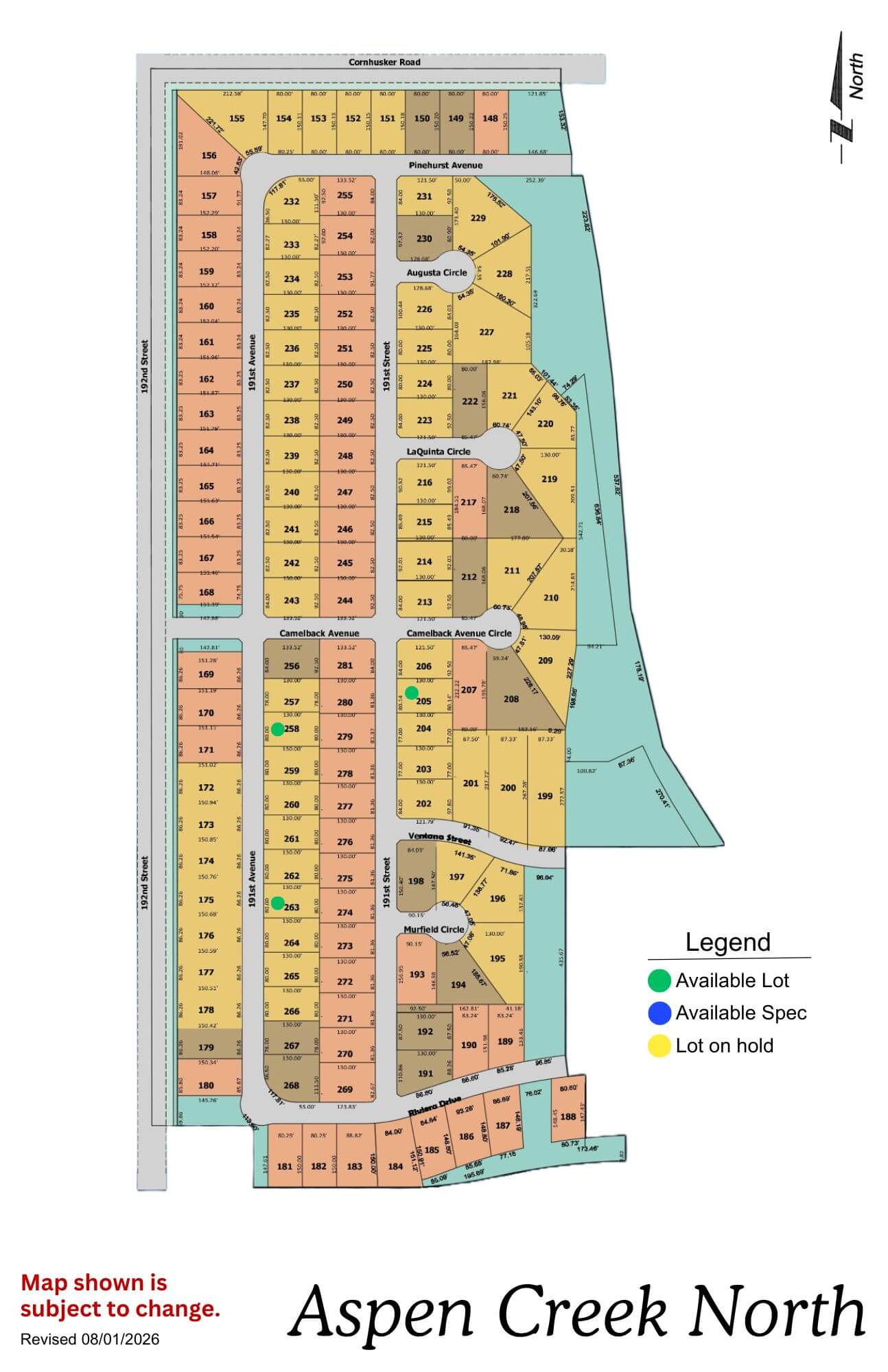
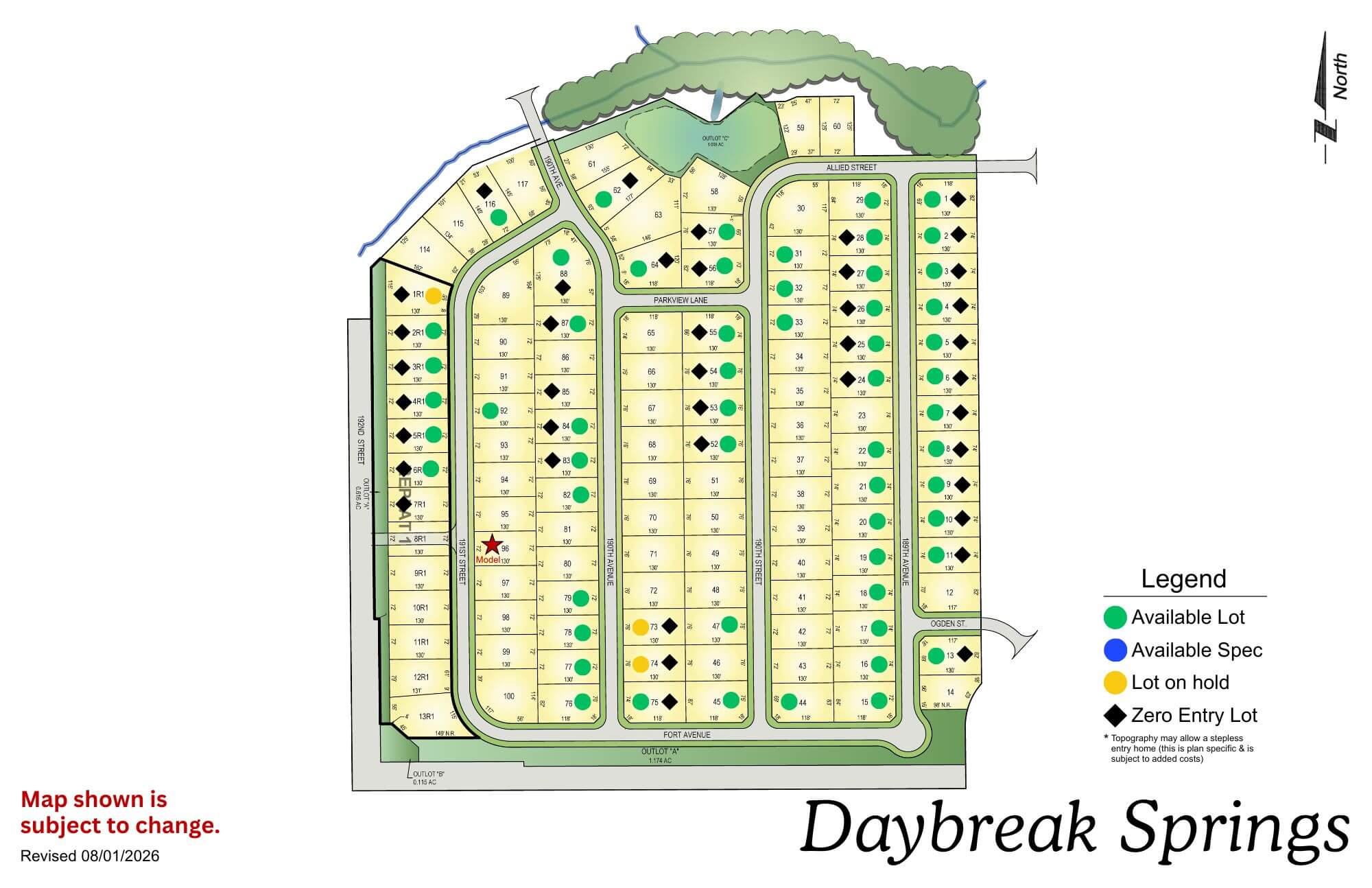
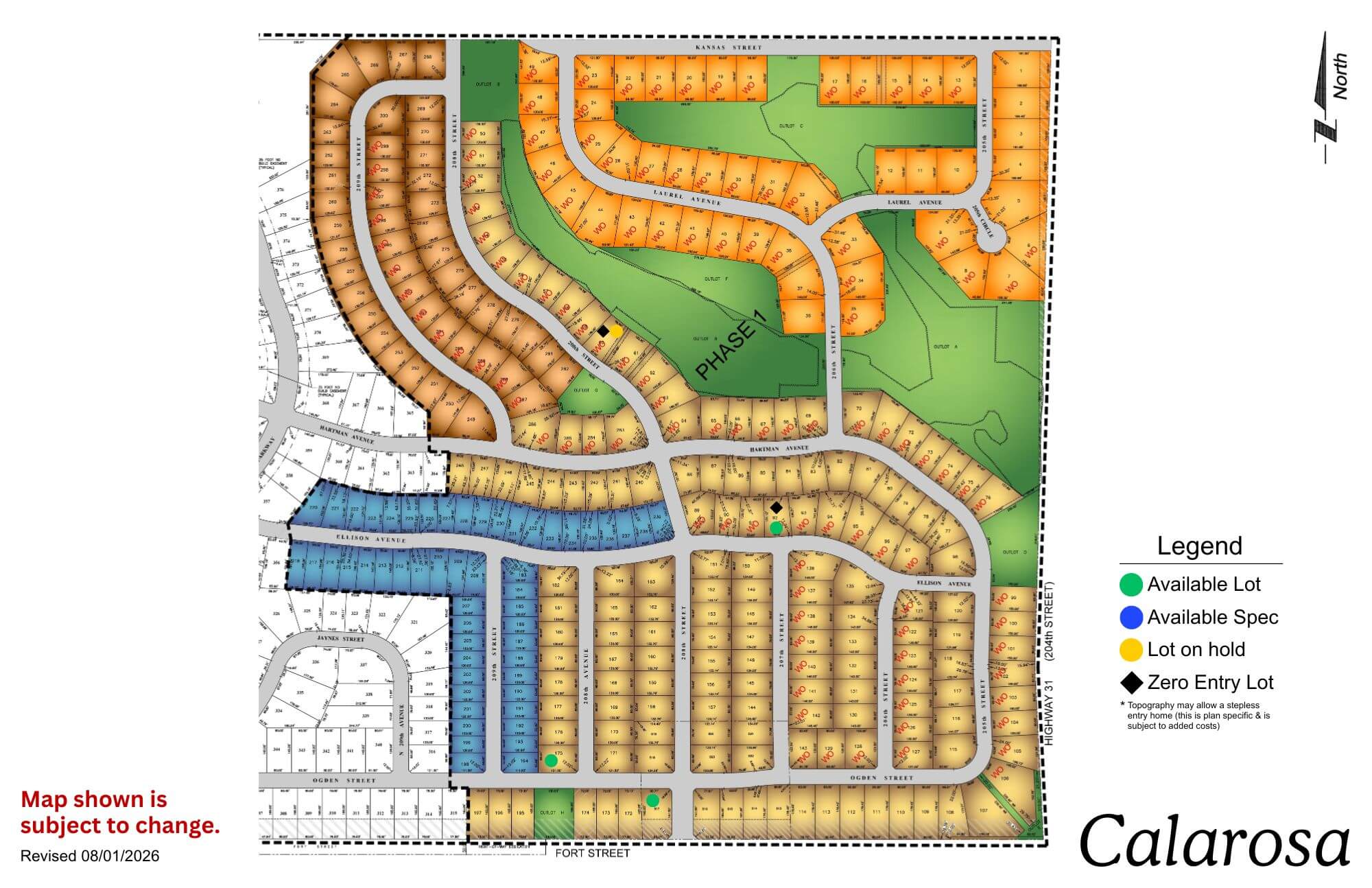
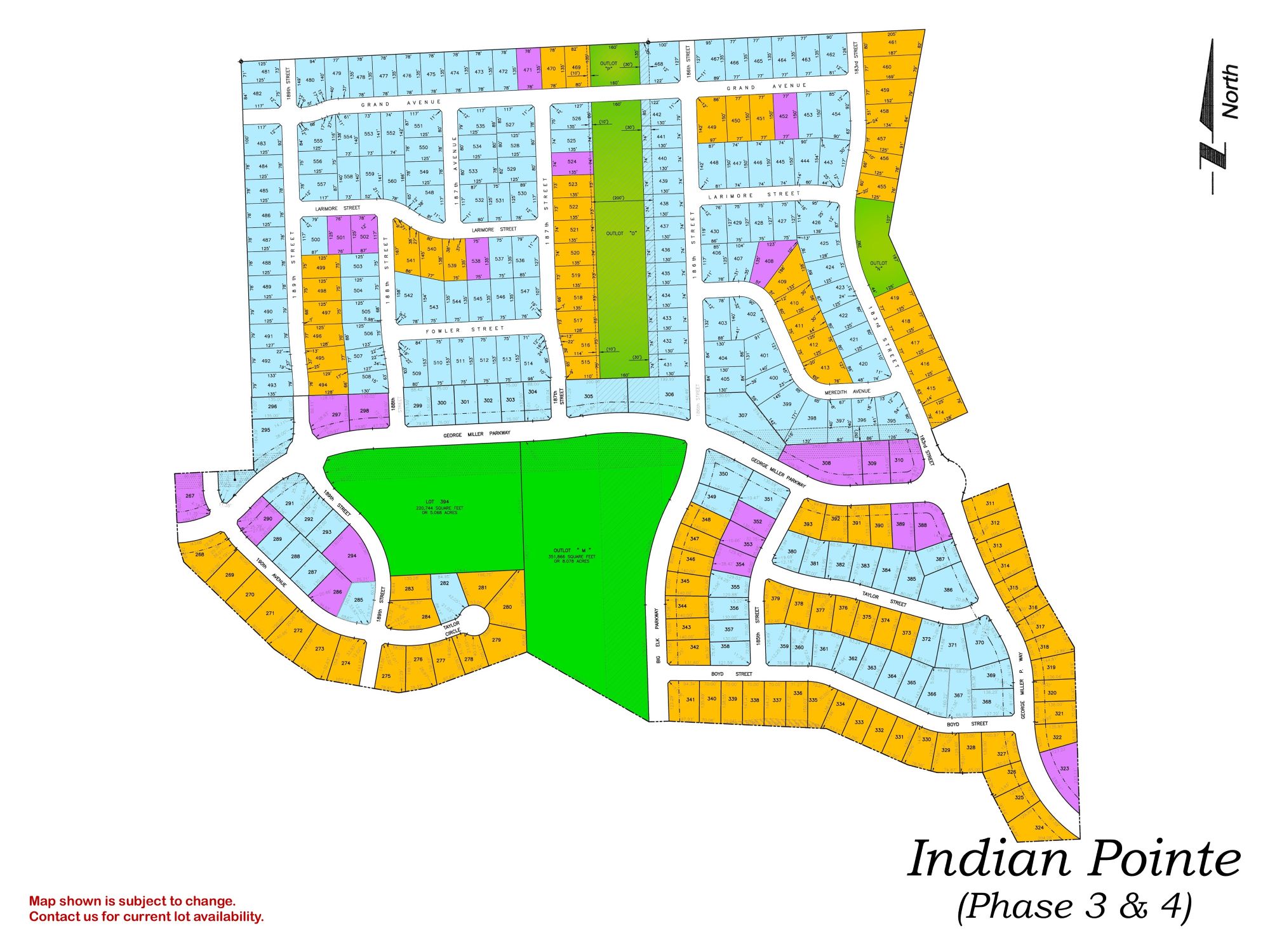
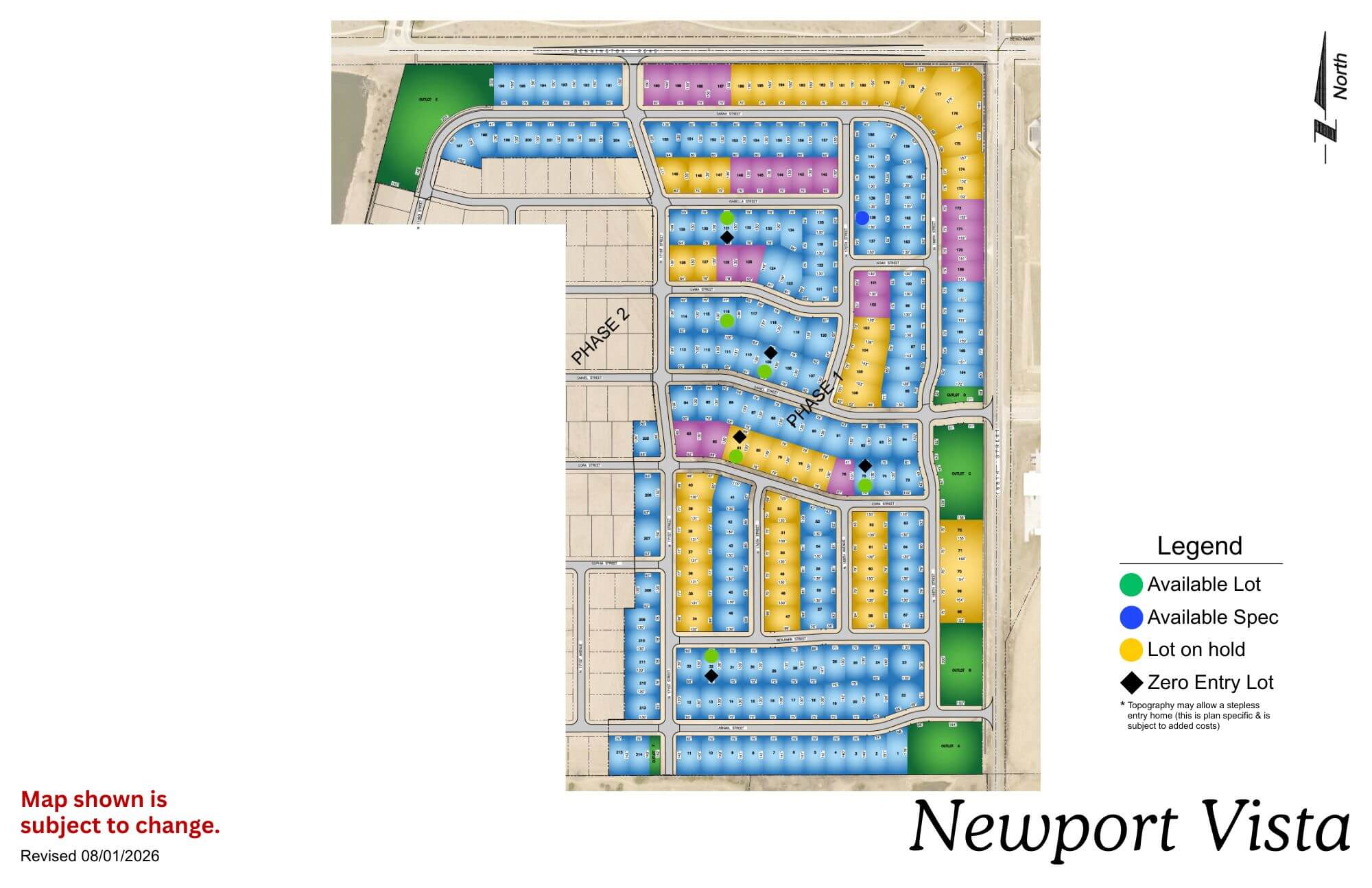
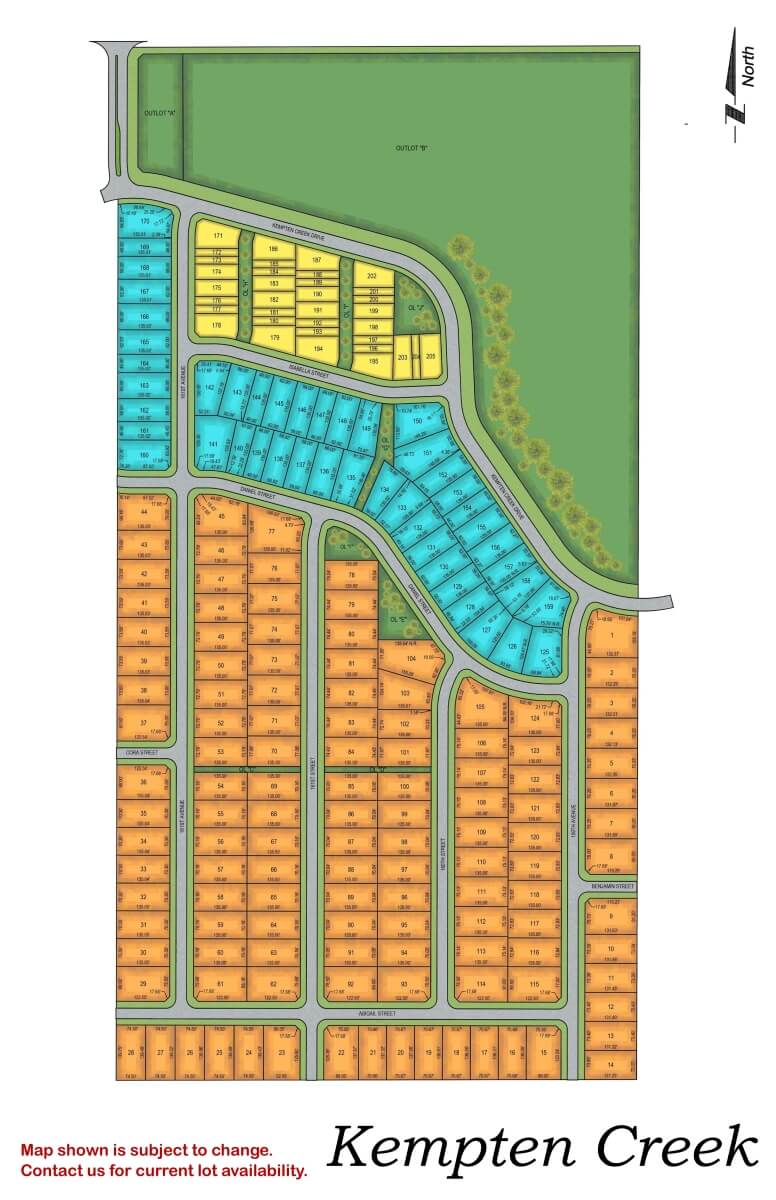
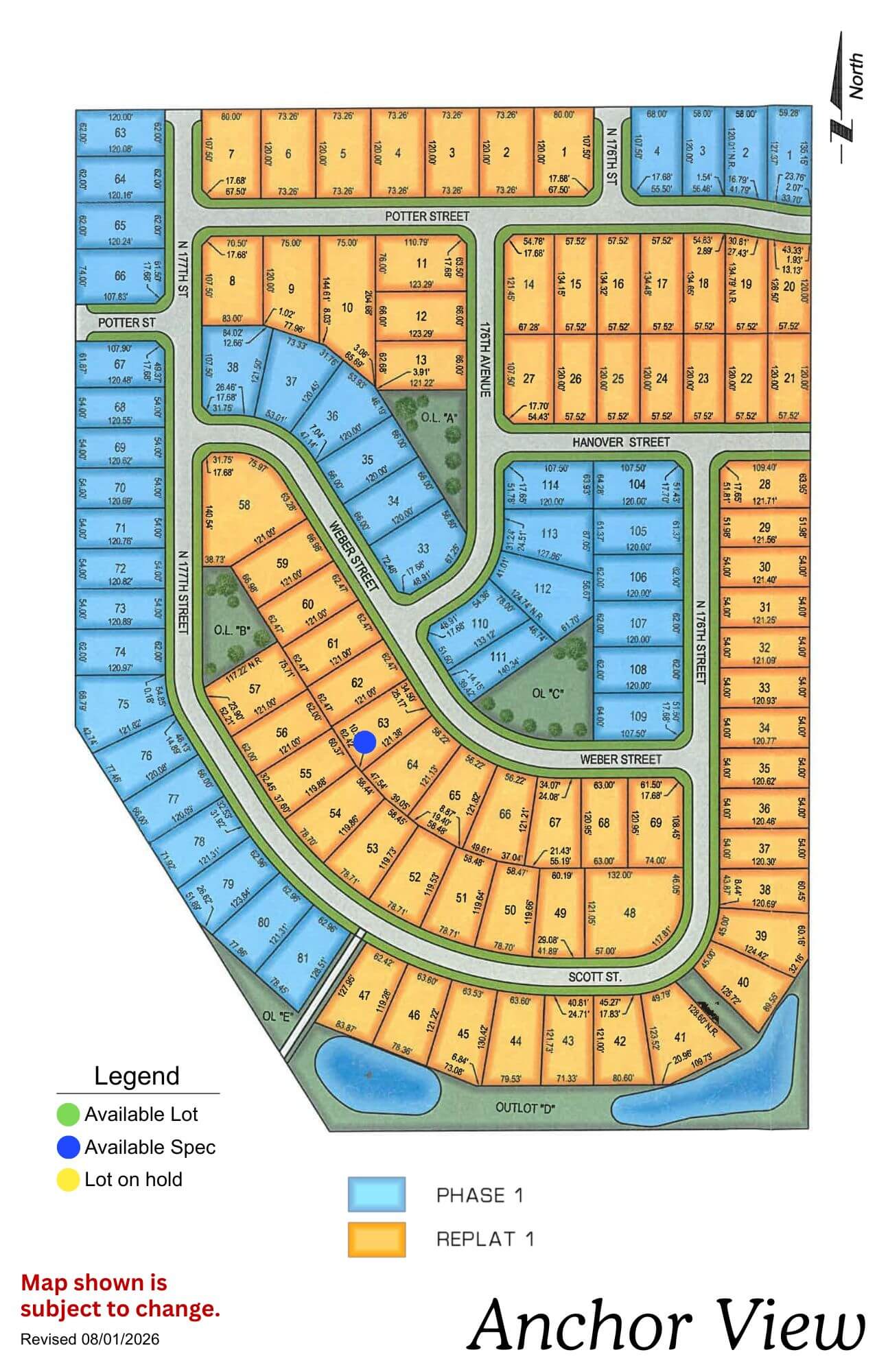
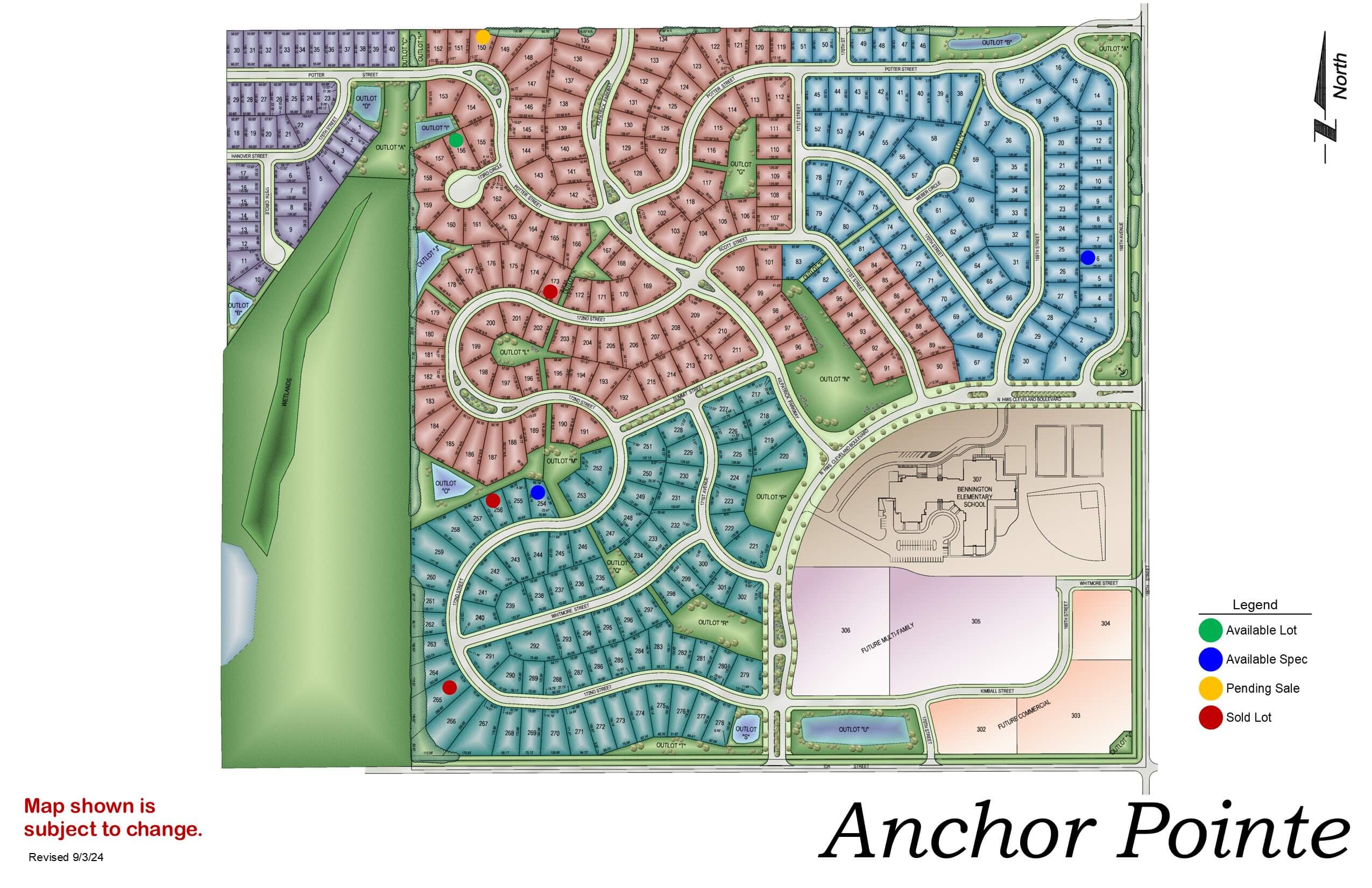
Semi-custom sits between production and full custom. The builder starts with a base floor plan but allows structural modifications, such as adding a bedroom, extending the garage, or relocating a wall. Finish selections are broader than production. Regency Homes operates at this level across communities in Papillion, Bennington, Gretna, and Council Bluffs.
- More flexibility than production without full custom complexity
- Financing is more straightforward than a construction loan
- Structural changes are possible within the builder’s approved modifications
- Builder manages permits, subcontractors, and inspections
See the floor plans Regency builds across the Omaha metro. Browse Regency Home Plan Collections
Custom Homes
You own the land, hire a builder, and specify nearly everything from foundation to roof pitch. More control, more time, more complexity.
For most Omaha families buying in the $280,000 to $450,000 range, production new construction is the practical option. Full custom typically starts above $500,000 and requires a construction loan, which comes with stricter underwriting requirements.ove $500,000 and requires a construction loan, which comes with stricter underwriting requirements.
How Do Prices Actually Compare in the Omaha Market?
The Omaha existing home market has a median sale price around $280,317, according to Redfin’s 2026 Omaha housing market data, with homes selling in about 22 days.
The national context matters here: according to NAR’s 2026 new home market analysis, builder incentives are currently elevated as builders work through inventory. That includes rate buydowns, closing cost contributions, and finished basement packages in some communities.
What the Price Tags Miss
The sticker price comparison is only the starting point. These hidden costs shift the real numbers in both directions:
For existing homes, budget for:
- Home inspection ($400 to $600 in Omaha)
- Immediate repair and update costs (HVAC systems average 15 to 20 years; roofs 20 to 25 years)
- Seller-requested as-is disclosures on older systems
- Cosmetic updates to kitchen and bathrooms to reach current standards
- Potential for deferred maintenance the previous owner did not address
For new construction, budget for:
- Lot premiums in desirable communities (can run $5,000 to $25,000 above base price)
- Upgrade packages at the design center (easy to add $20,000 to $40,000 to the base price)
- Window treatments, landscaping, and fencing often not included in base price
- Closing costs that can include a builder’s attorney and processing fees
| Cost Factor | New Construction | Existing Home |
|---|---|---|
| Immediate repair risk | Very low (covered by warranty) | Moderate to high depending on age |
| Design center upgrades | $0 to $40,000+ (buyer controls) | Not applicable |
| Lot premium | $0 to $25,000 | Not applicable |
| Post-closing cosmetic updates | Minimal | $5,000 to $30,000+ common |
| Inspection cost | $400 to $600 (still recommended) | $400 to $600 (required) |
| Builder incentives available | Yes, currently elevated in 2026 | No |
How Long Does It Take to Build a New Home in Omaha?
Most production new construction in the Omaha metro takes 6 to 9 months from contract to closing. That timeline assumes the community has available lots, permits are processed on schedule, and no major material supply interruptions occur.
Timeline Breakdown
| Build Phase | Typical Duration |
|---|---|
| Lot selection and contract | 2 to 4 weeks |
| Permitting and site prep | 4 to 8 weeks |
| Foundation and framing | 6 to 10 weeks |
| Mechanical rough-ins (plumbing, electrical, HVAC) | 4 to 6 weeks |
| Insulation, drywall, finishes | 8 to 12 weeks |
| Final walk-through and punch list | 2 to 4 weeks |
| Total | 6 to 9 months |
Source: Regency Homes build schedule; NAHB residential construction guidelines
An existing home closes in 30 to 45 days from accepted offer. If you need to move quickly, an existing home wins on timeline. If you have flexibility, the extra months in a new build buy you a home built to your specifications with no one else’s decisions baked in.
The practical workaround many buyers use: sell the existing home, move into a short-term rental or in with family, and close on the new build when it is complete.
Want to see what a Regency build timeline looks like start to finish? Read: How Long Does It Take to Build a New Home in Omaha
Which Option Is Better for First-Time Buyers in Omaha?
First-time buyers face a specific calculation that move-up buyers do not: limited cash reserves and no existing equity to roll forward. Both options have real advantages at this stage.
Where Existing Homes Win for First-Timers
- Faster move-in, no construction period carrying costs
- More options in established neighborhoods near downtown and midtown
- Potential for instant equity if bought below market value
- Lower price points available in older stock
Where New Construction Wins for First-Timers
- No immediate maintenance surprises
- Builder financing incentives can reduce effective rate or closing costs
- Everything is to current energy code, which means lower utility bills
- No bidding war dynamics common in the existing home market
The Omaha existing home market moves quickly. Homes sell in about 22 days and attract multiple offers. First-time buyers with limited reserves sometimes lose to cash buyers or those waiving contingencies on older homes. New construction, by contrast, does not sell out from under you.
Explore what Regency’s current communities have available for first-time buyers. See Available New Homes in Omaha
What Are the Ongoing Costs After Closing?
This is where the warranty advantage compounds over time. A new home is covered. An older home requires a reserve fund.
Annual Maintenance Budget Guidelines
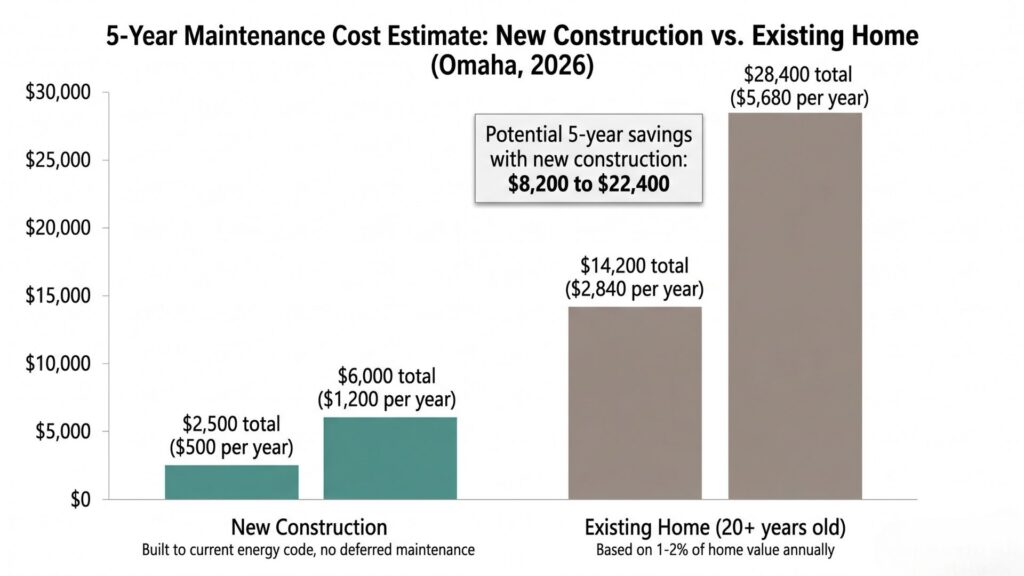
Most financial planners recommend budgeting 1% to 2% of a home’s value per year for maintenance on an existing home. On a $284,000 home, that is $2,840 to $5,680 per year.
For a new construction home in the first five years, that estimate drops significantly because major systems are under warranty and have not aged. Realistic annual maintenance in years 1 to 5 is closer to $500 to $1,200.
Over a five-year period, that difference runs $12,000 to $22,000 in favor of new construction, before accounting for any actual repair events.
Energy Costs
Newer homes built to Nebraska’s current energy code perform meaningfully better than homes built before 2010. Better insulation values, low-E windows, and tighter construction reduce monthly utility costs. Estimates vary by home size and behavior, but 15% to 25% lower heating and cooling bills compared to a comparable older home are realistic.
Is New Construction or Existing Home Better for Long-Term Value in Omaha?
Both hold value well in the Omaha market, which has appreciated steadily. The question is which equity story you want.
The Case for New Construction
- You start with no deferred maintenance
- Newer homes resell faster and at stronger prices in Omaha’s suburban markets
- In communities with HOA design standards, neighboring homes maintain value
- Energy-efficient features are increasingly important to future buyers
The Case for Existing Homes
- Established neighborhoods often have larger lots and mature trees
- Some older areas near downtown have seen faster appreciation as urban demand grows
- Renovation potential: forced equity if you buy below market and improve
Neither path guarantees appreciation. Omaha has been a stable, low-volatility market for decades, and that tends to benefit both strategies.
FAQs: New Construction vs. Existing Home in Omaha
Is a home inspection necessary on a new construction home?
Yes. A pre-drywall inspection and a final walkthrough inspection by an independent inspector, not the builder’s own inspector, are both worth paying for. Builders are experienced and most are diligent, but no construction process is perfect. An independent inspection protects the buyer during the warranty window when corrections are covered.
What happens to my rate lock if construction takes longer than expected?
This is a real risk worth discussing with your lender before signing a purchase contract. Some lenders offer extended rate locks for new construction at a cost. Others float the rate to market at closing. Clarify this before you contract, not after framing starts.
Do Regency homes include a basement?
Most Regency floor plans in the Omaha metro include an unfinished basement as standard. Finishing the basement at build time versus later has both cost and financing implications. Adding it at build time means it rolls into the mortgage. Adding it after closing means a separate renovation spend out of pocket or via a home equity product.
What Omaha communities does Regency Homes currently build in?
Regency builds in active communities across Papillion, Bennington, Gretna, Council Bluffs, and Bellevue. Community availability changes as lots sell. The current inventory page always reflects what is available right now.
How does foundation settling vary between older and newly built structures?
Mature properties have already completed their primary structural shifting and ground compression over several decades, making major unexpected movement unlikely. A freshly constructed house undergoes a natural settling process during its first two years on newly graded soil, requiring homeowners to monitor structural joints and expect minor, purely cosmetic hairline cracks in concrete slabs or drywall seams.
Do master-planned construction communities impose stricter lifestyle restrictions than older neighborhoods?
Contemporary subdivisions almost always operate under mandatory homeowners associations with rigid architectural covenants regulating exterior paint palettes, fencing styles, outbuildings, and vehicle parking. Mature, non-HOA neighborhoods typically afford residents far greater freedom to modify their properties or park recreational vehicles without facing corporate fines or architectural review boards.
New Construction Vs Existing Home – The Honest Bottom Line
For most Omaha buyers in 2026, new construction offers a better total package: warranty protection, current energy code, personalized finishes, and builder incentives that help close the cost gap with existing homes.
The existing home wins on one thing: speed. If you need to close in 30 days, no new build beats that.
If you have 6 to 9 months of flexibility and a budget in the $280,000 to $450,000 range, the Omaha new construction market in 2026 is as competitive as it has been in years.
Regency Homes is the Best of Omaha 2026 winner. We build across the metro in communities designed for families. If you are weighing new construction seriously, come walk a model and see what your budget actually gets you. Contact Regency Home