


What you need to know now about building a house in winter:
- Building a house in winter is fully possible in Nebraska. Professional crews use heated concrete curing, heat generating additives, insulated blankets, and cold-weather scheduling to protect the build at every stage.
- Concrete and framing both need special handling once temperatures drop, but neither has to slow your project down when a builder plans for it ahead of time.
- A winter start often means faster interior dry-in and a home that is further along by the time spring arrives.
- The biggest risk isn’t the cold itself. It’s working with a crew that doesn’t have a cold-weather protocol in the first place.
Here’s what actually happens on an Omaha-area job site once the temperature drops, and what it means for your build.
Does Winter Weather Stop New Home Construction in Nebraska?
Winter weather does not stop new home construction in Nebraska. Builders who follow cold-weather concrete and framing protocols can pour foundations, frame walls, and dry in a home through freezing temperatures without compromising structural quality.
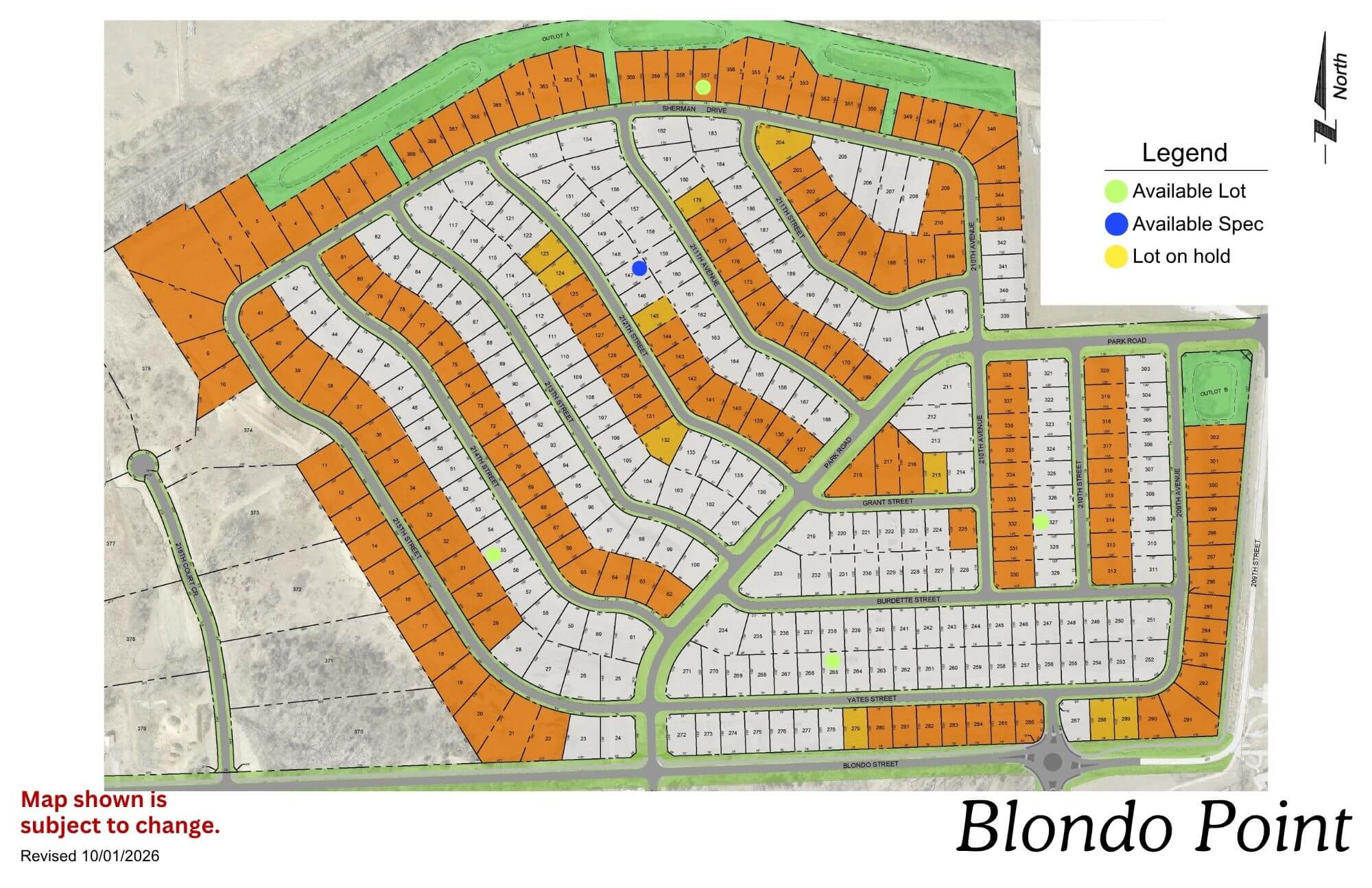
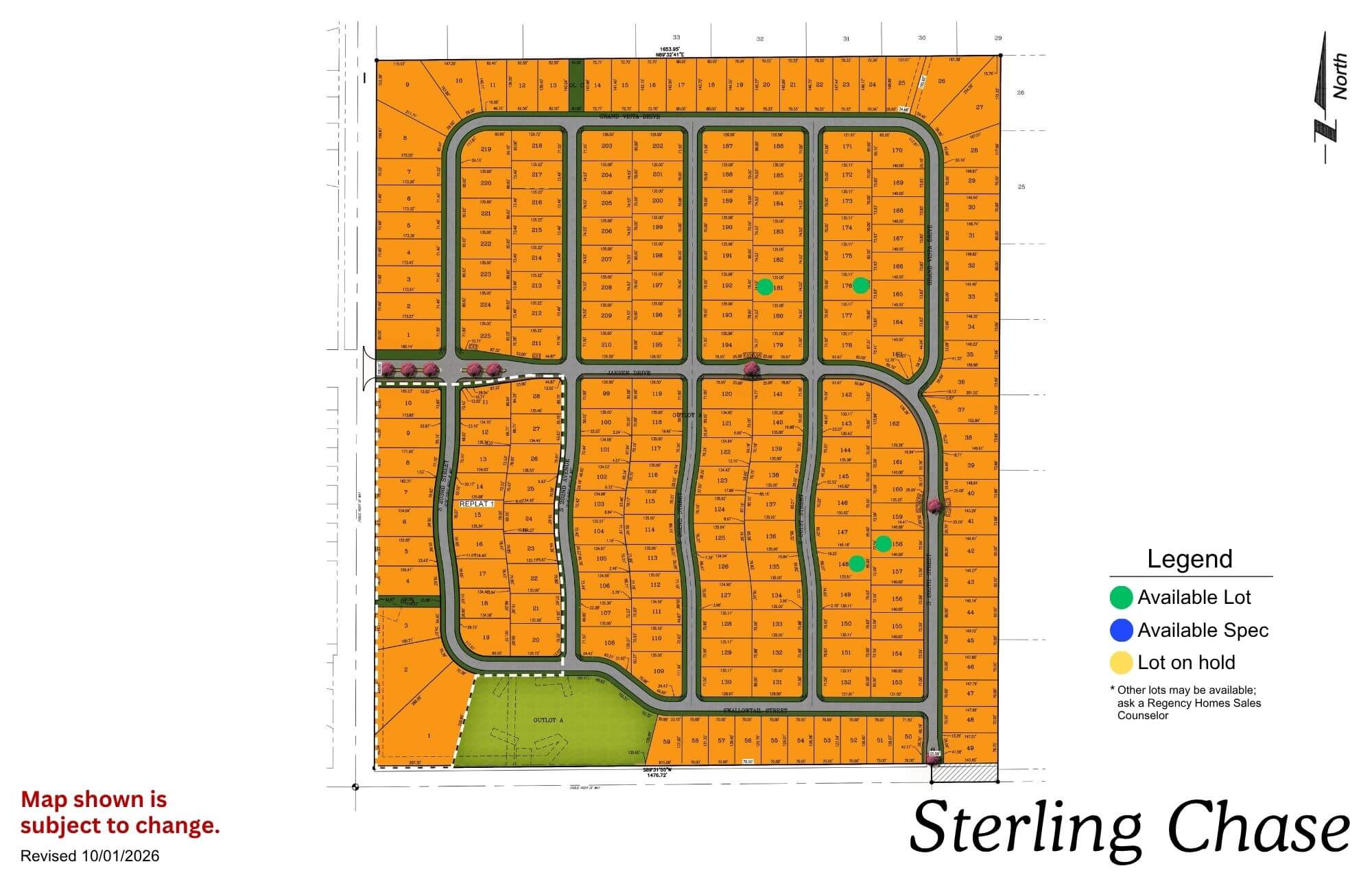
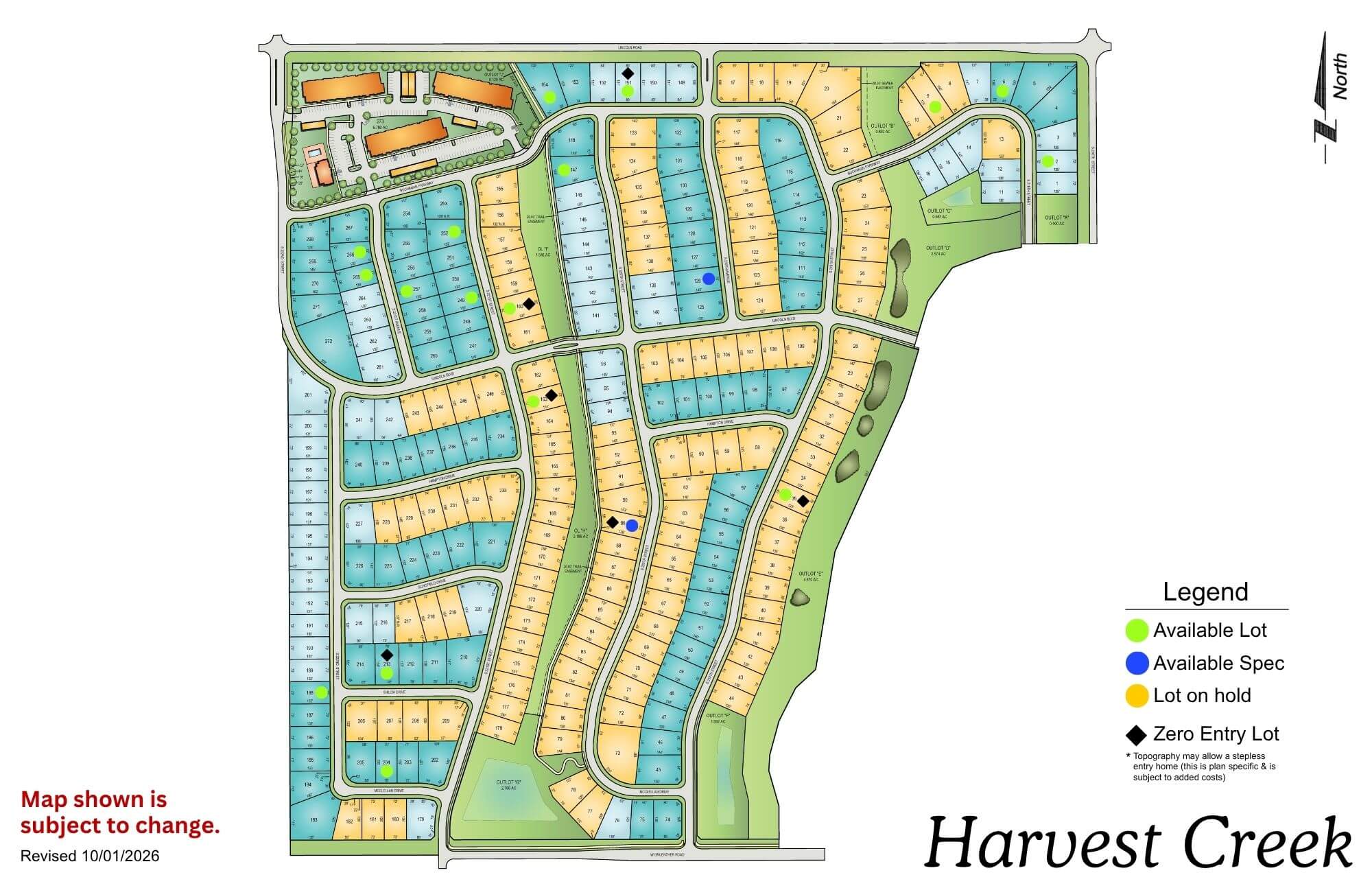
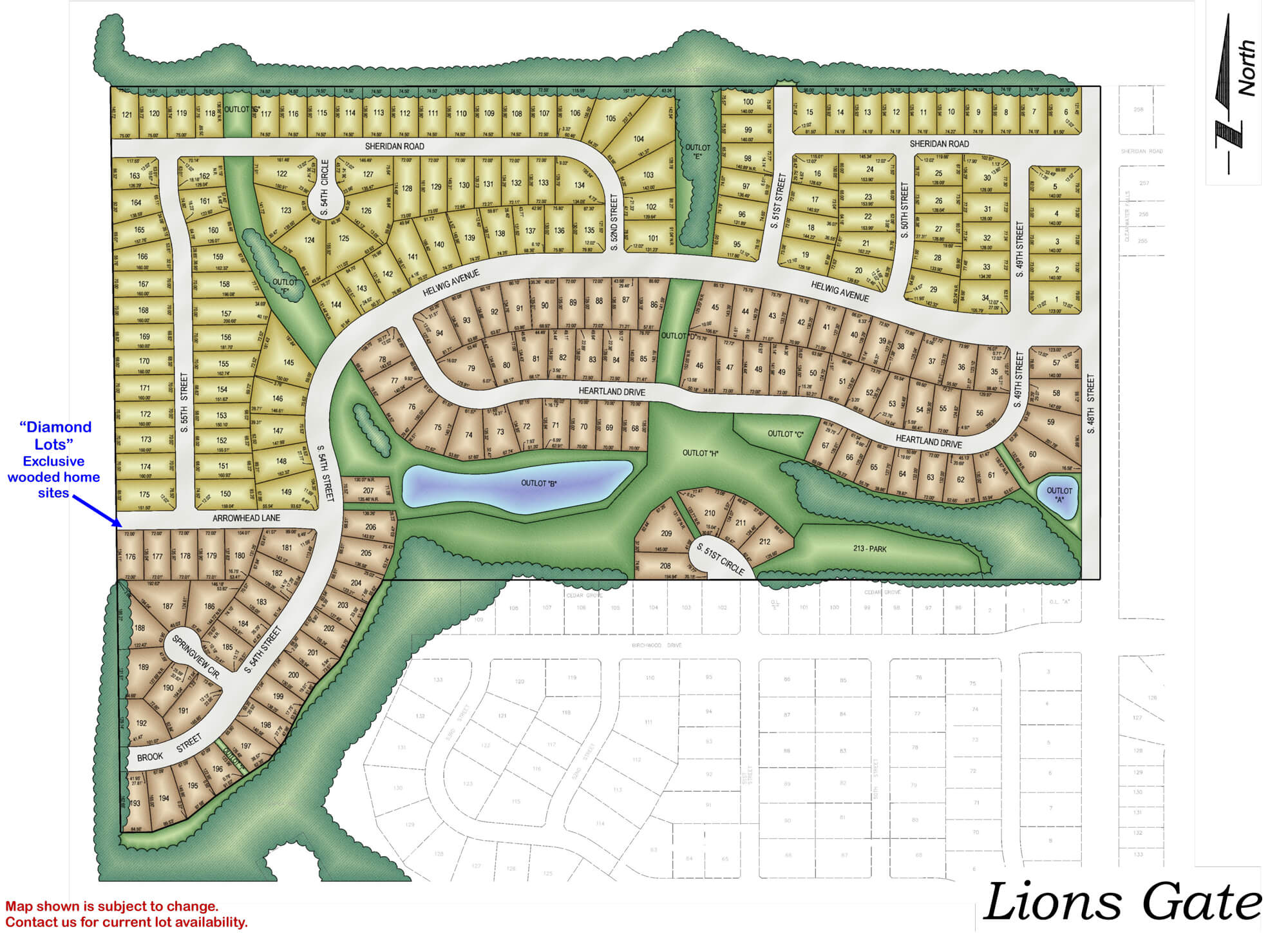
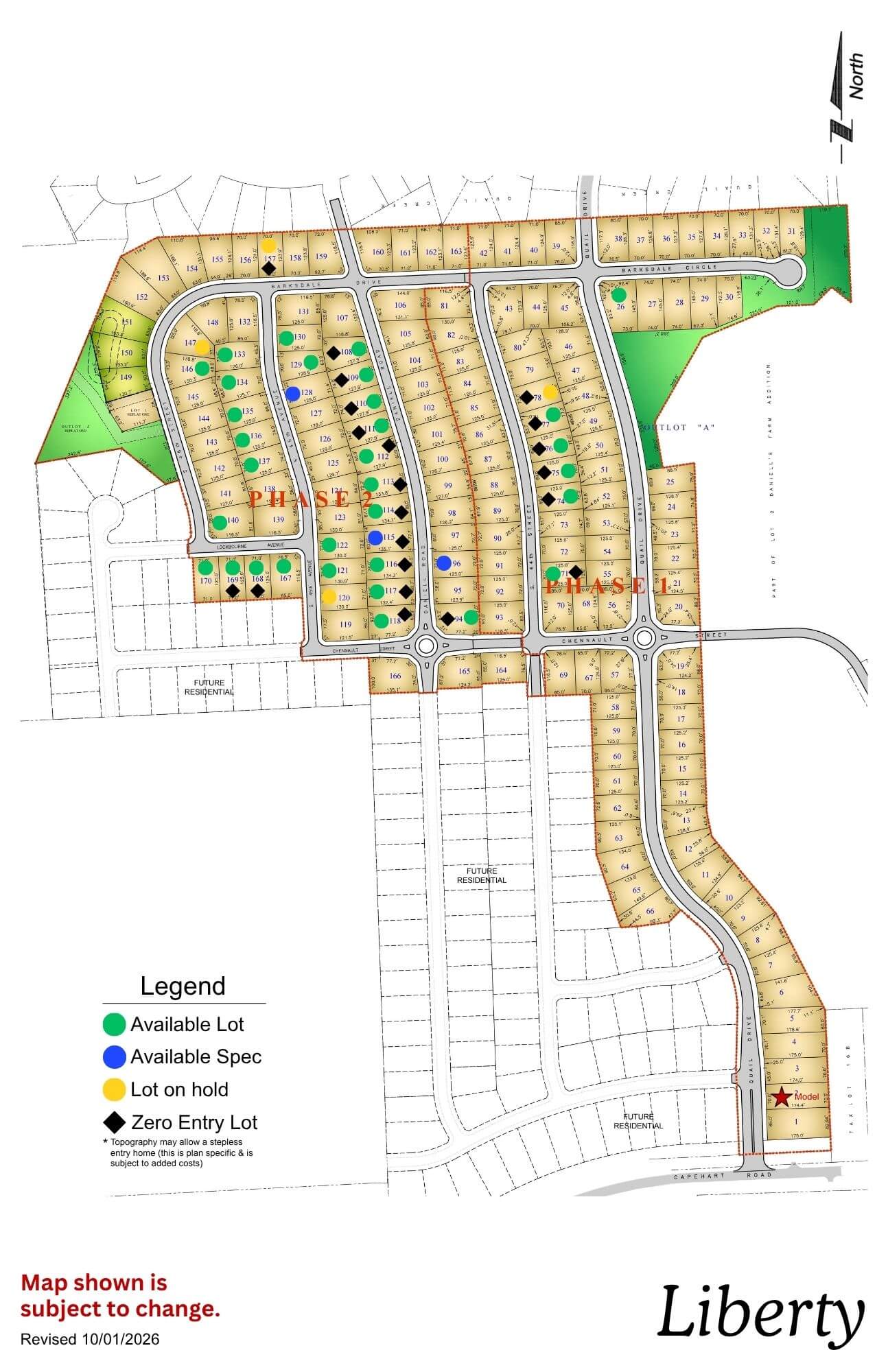
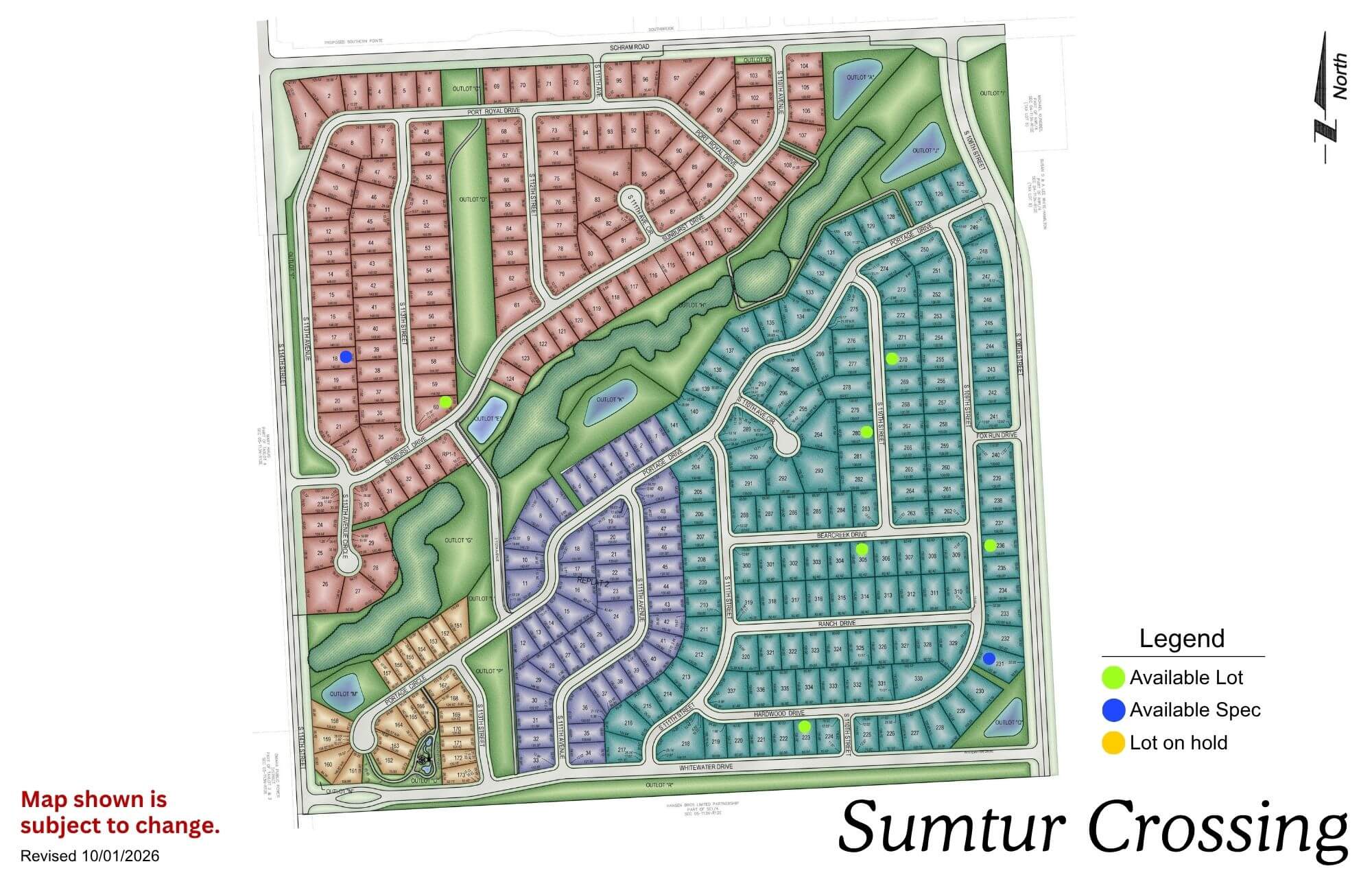
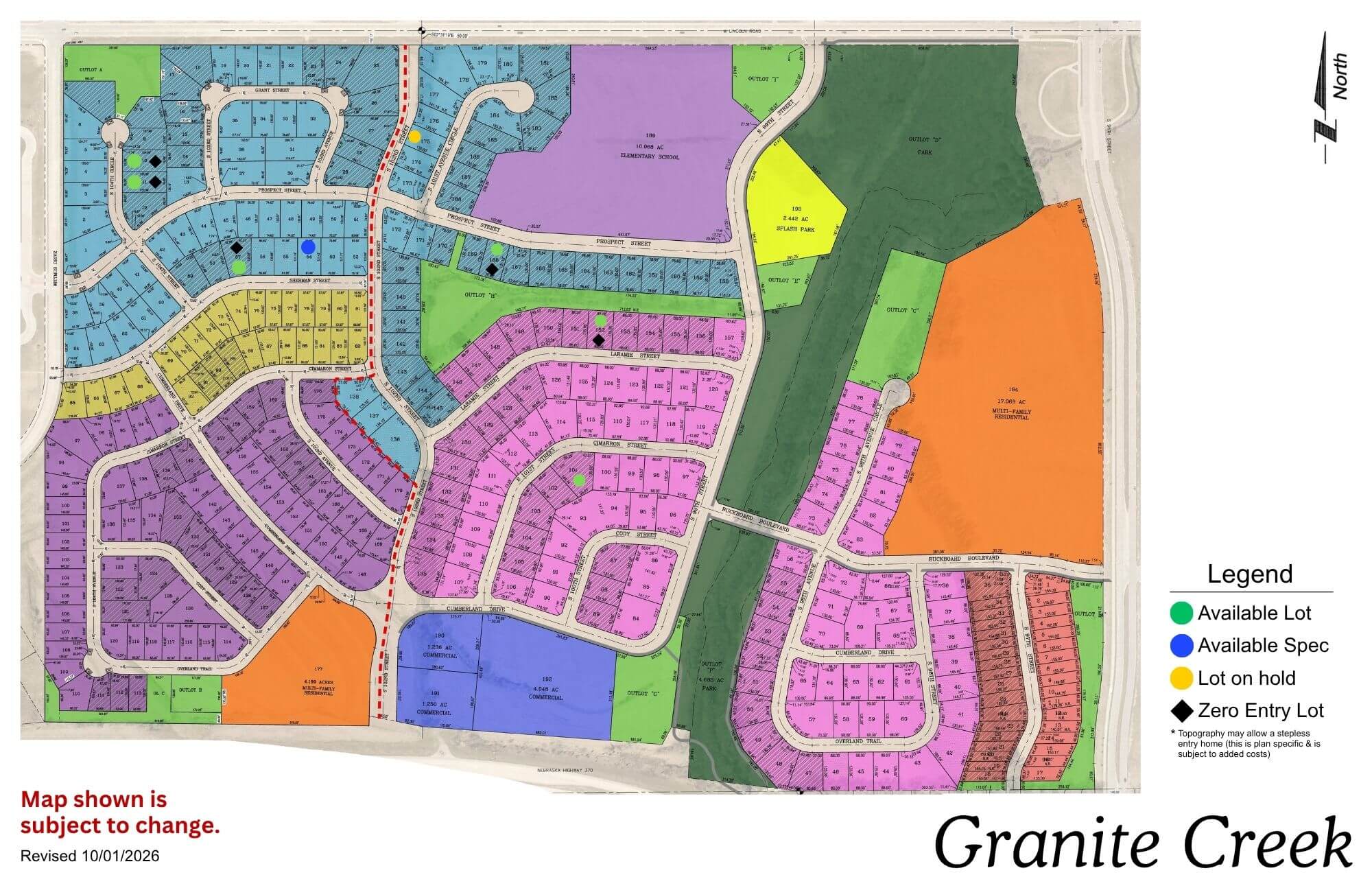
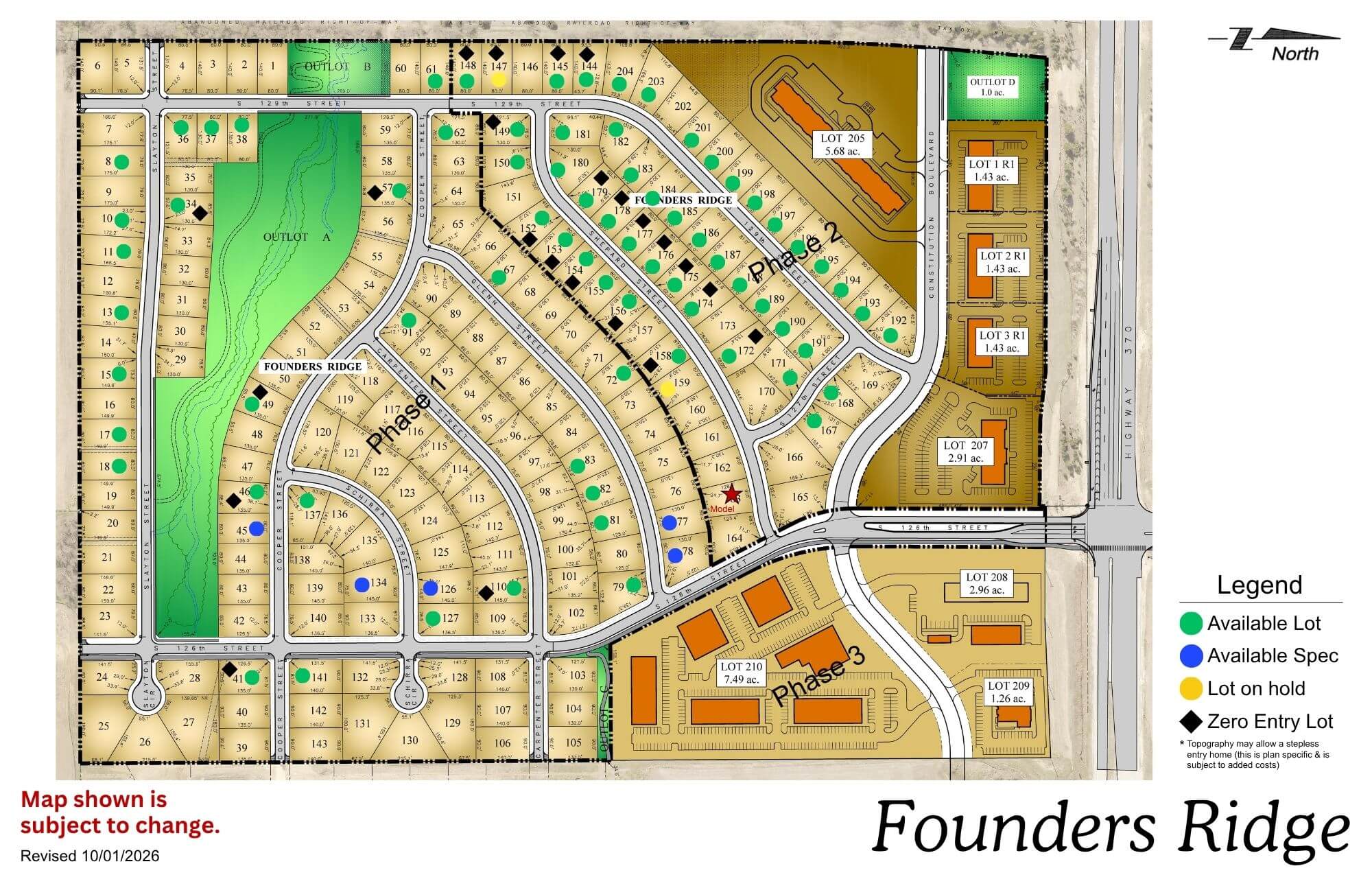
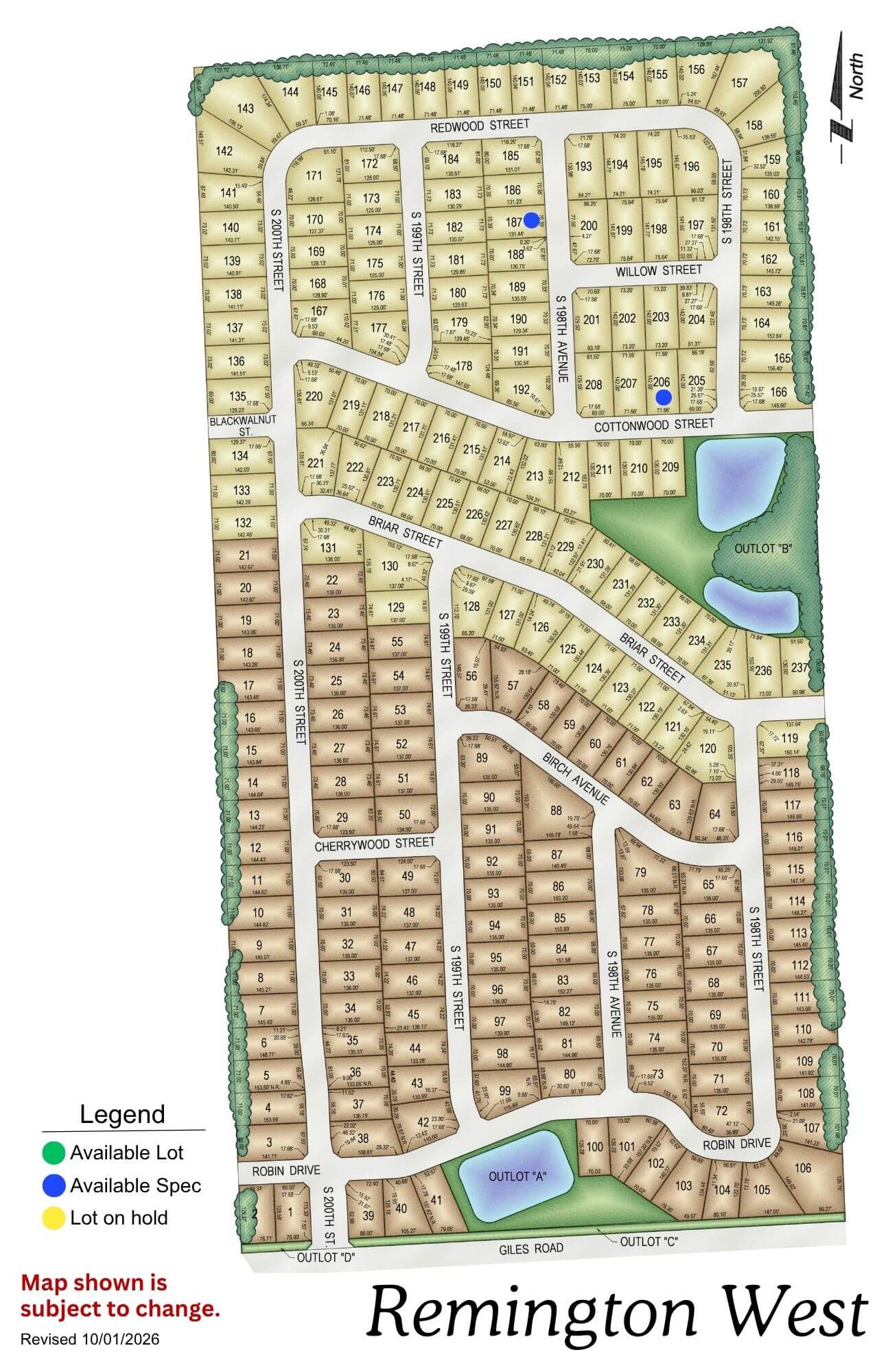
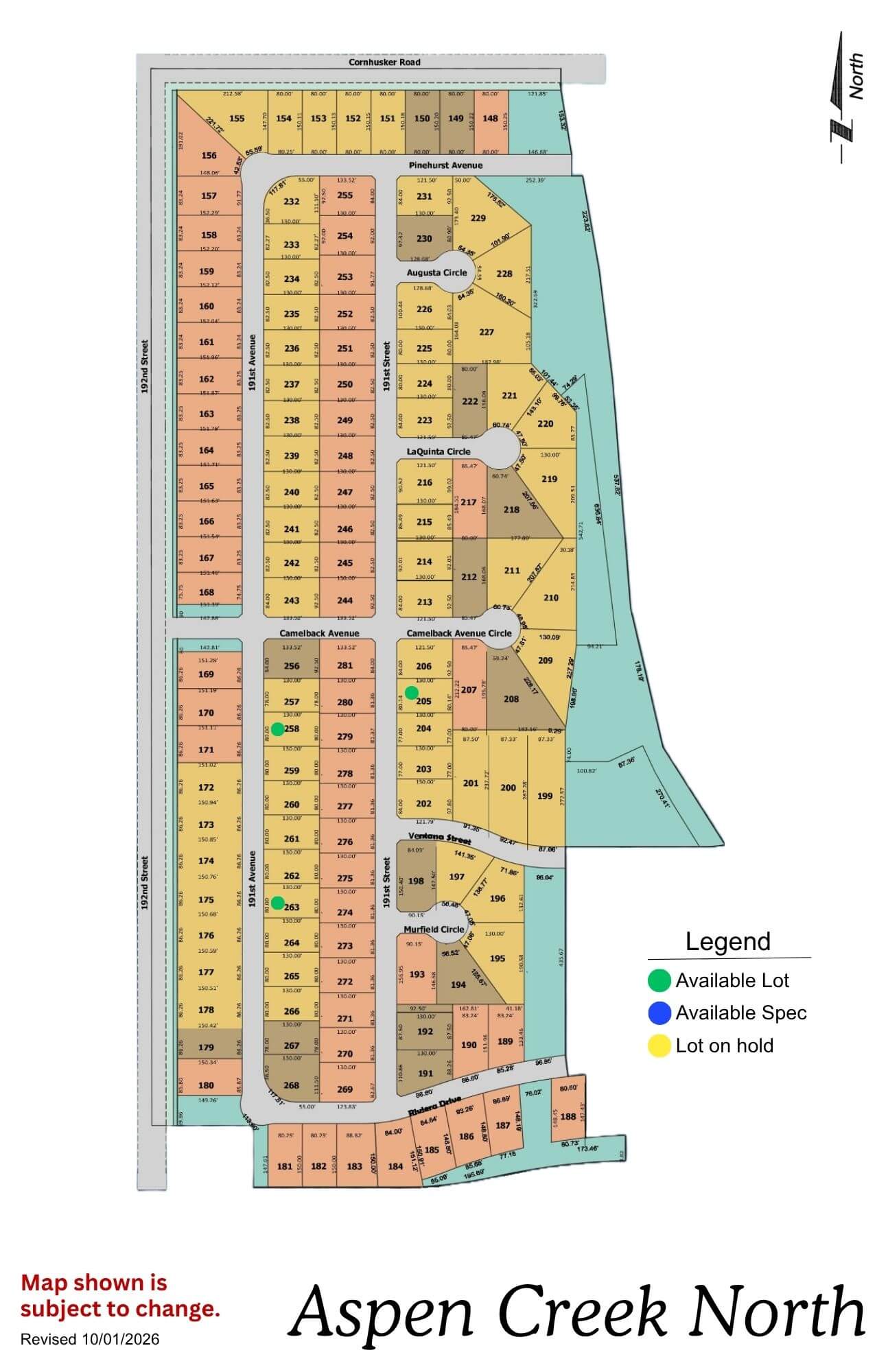
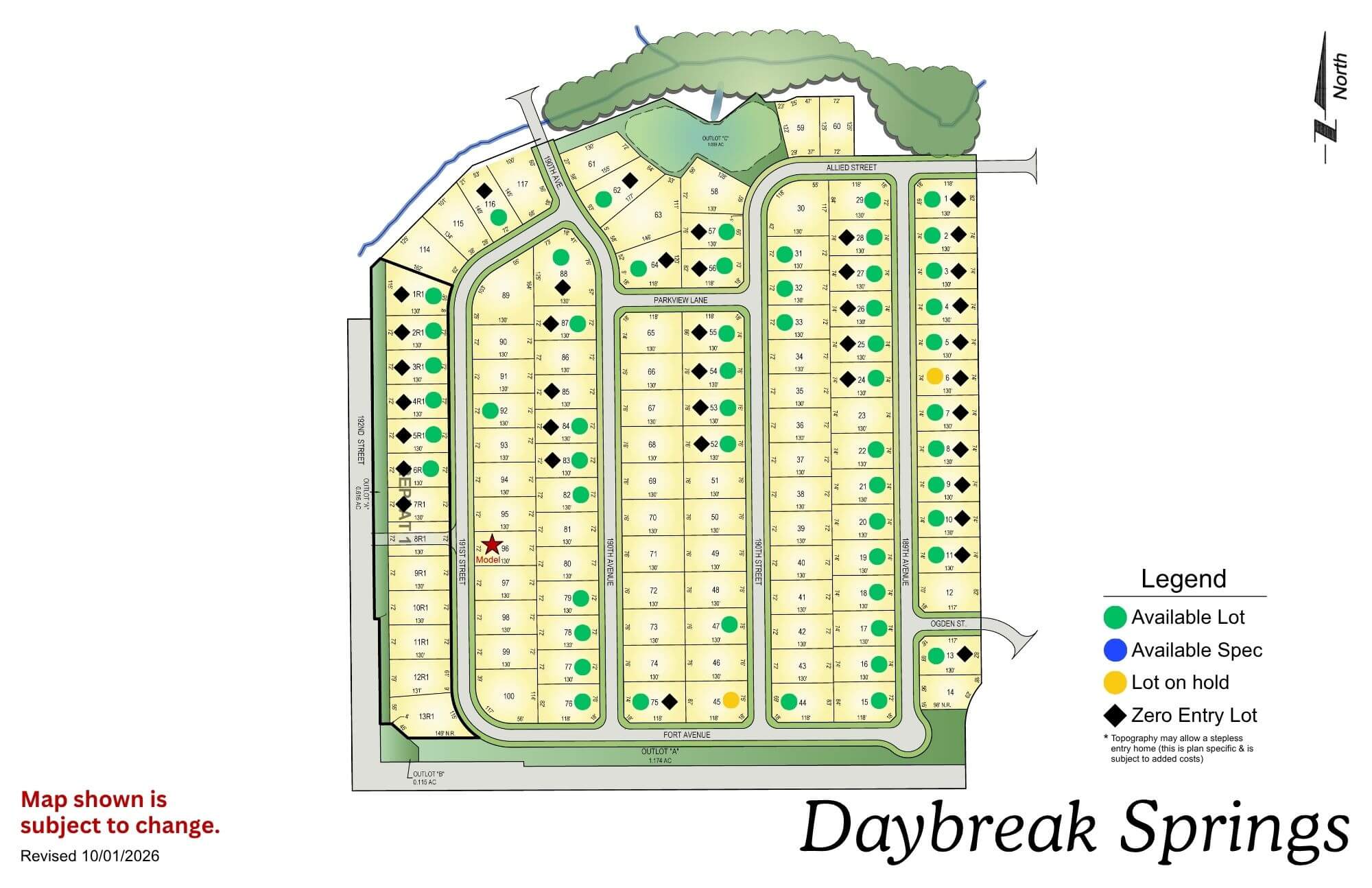
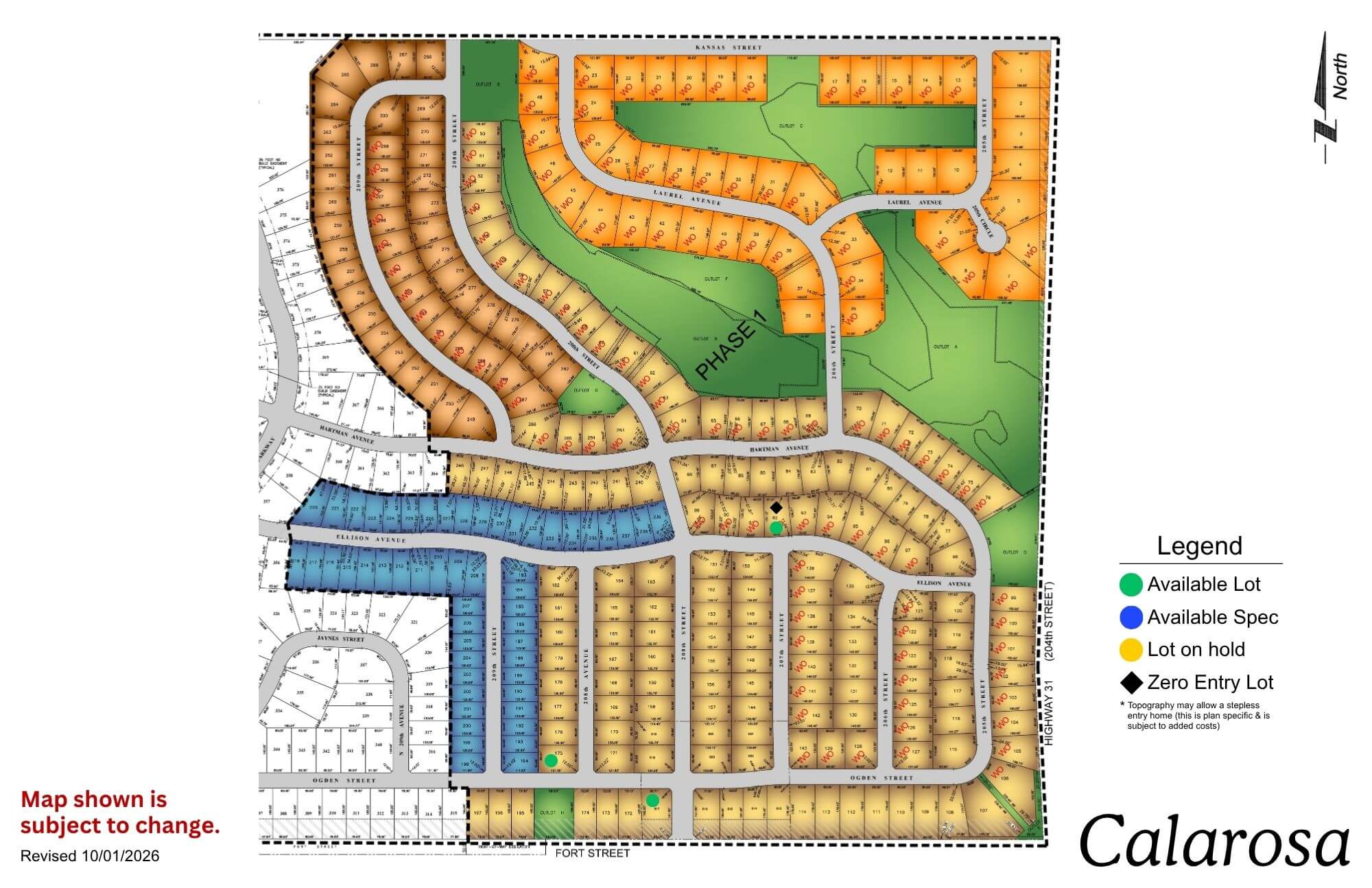
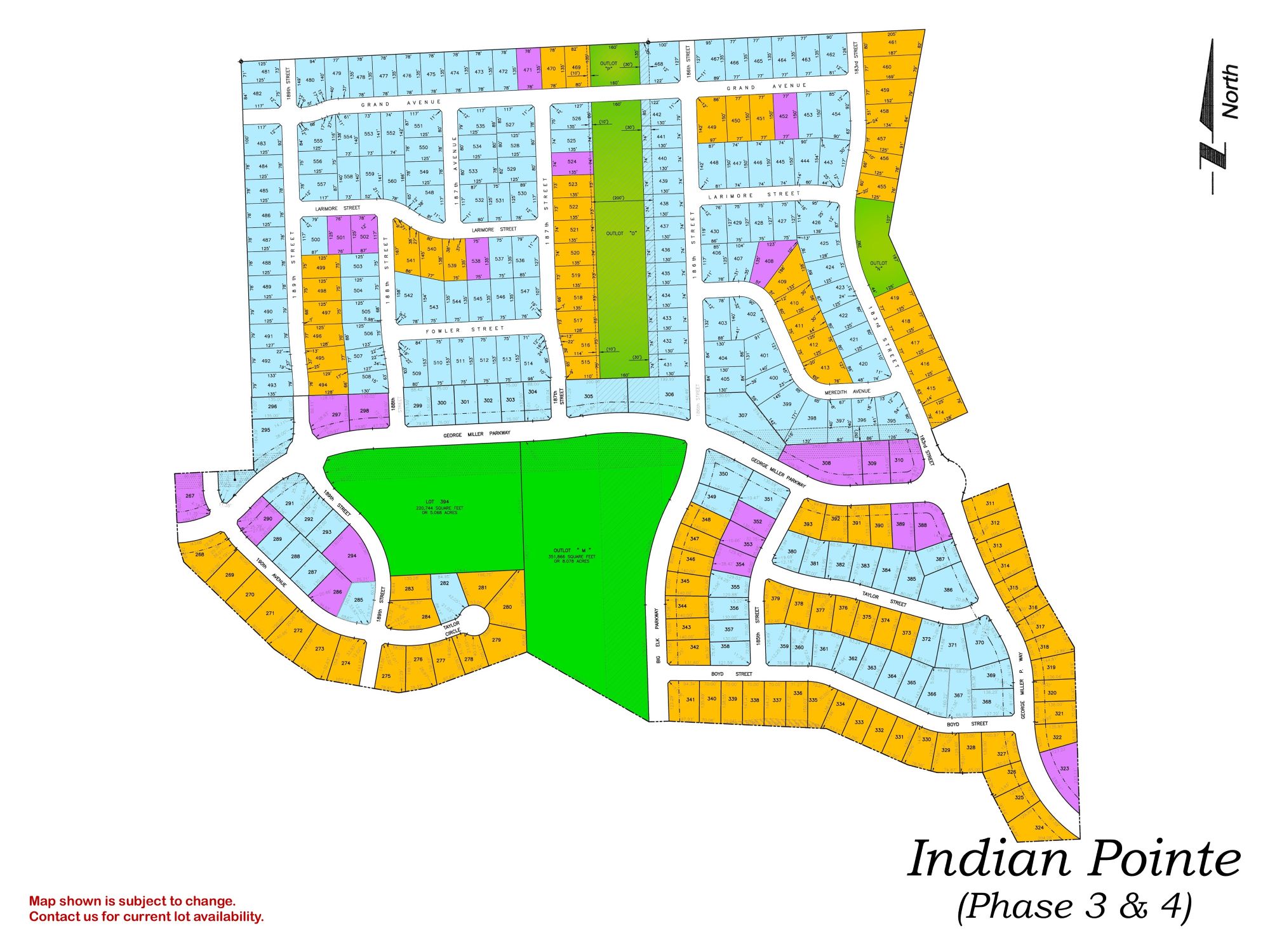
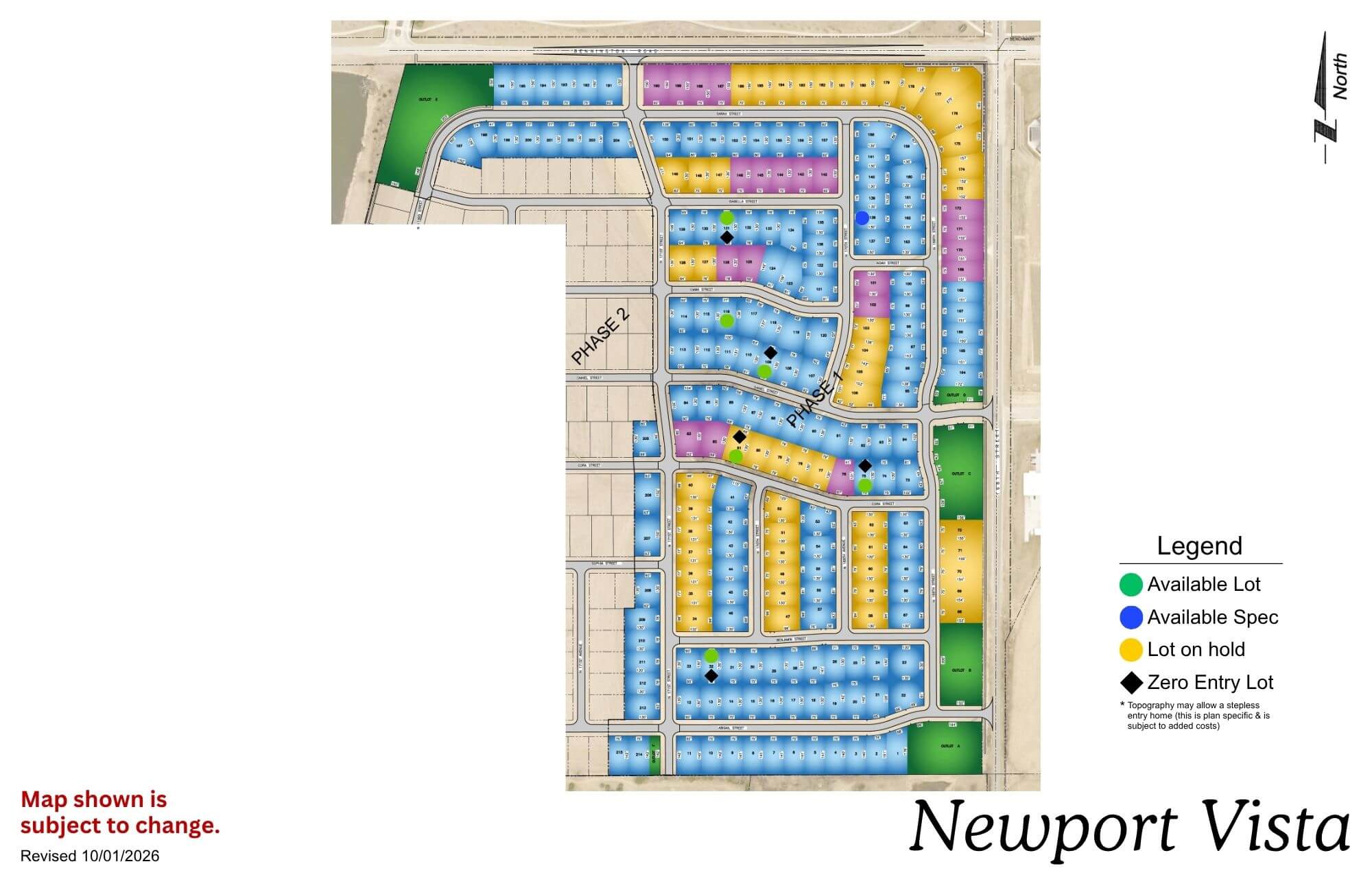
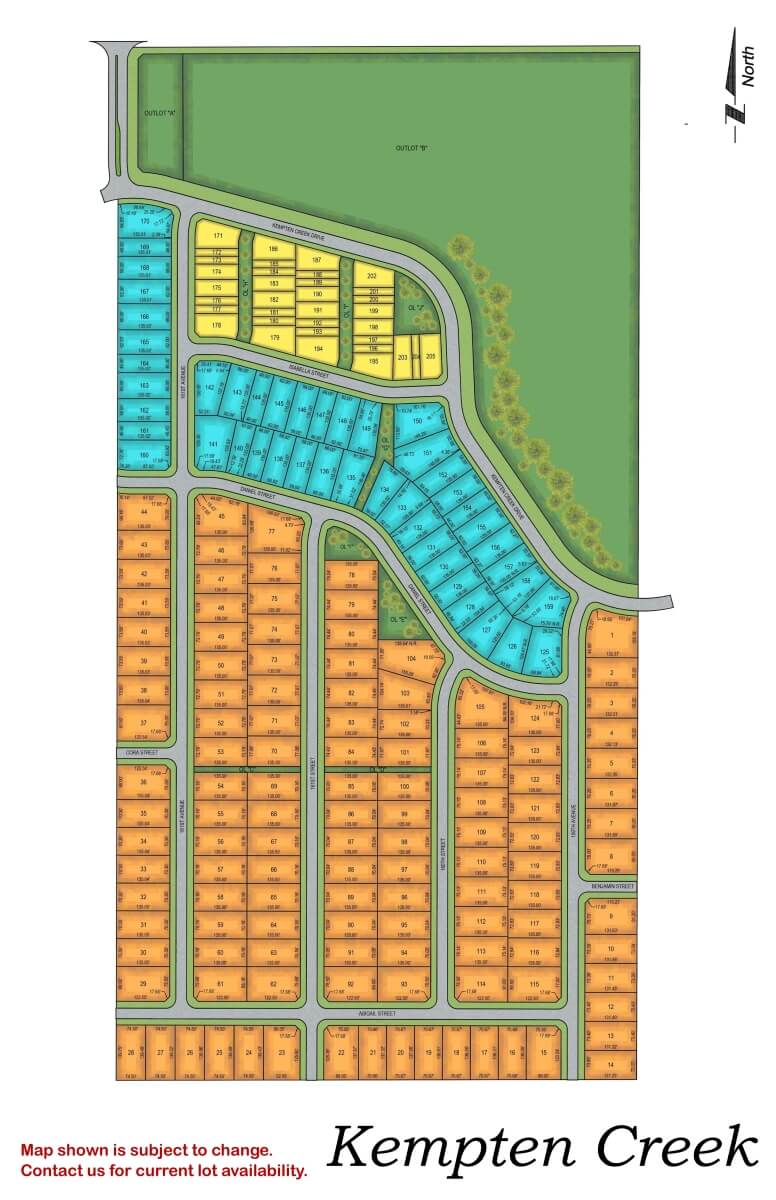
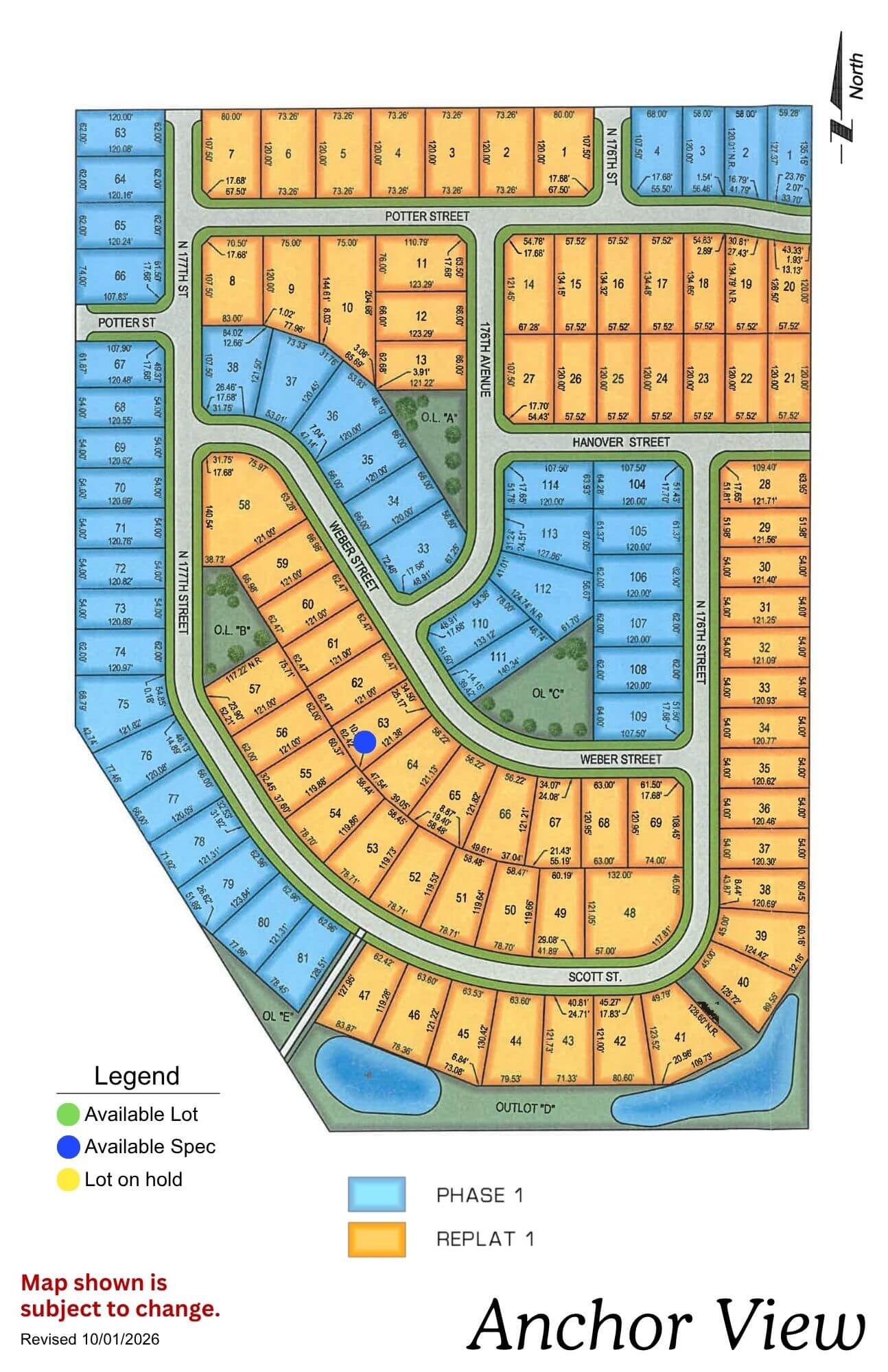
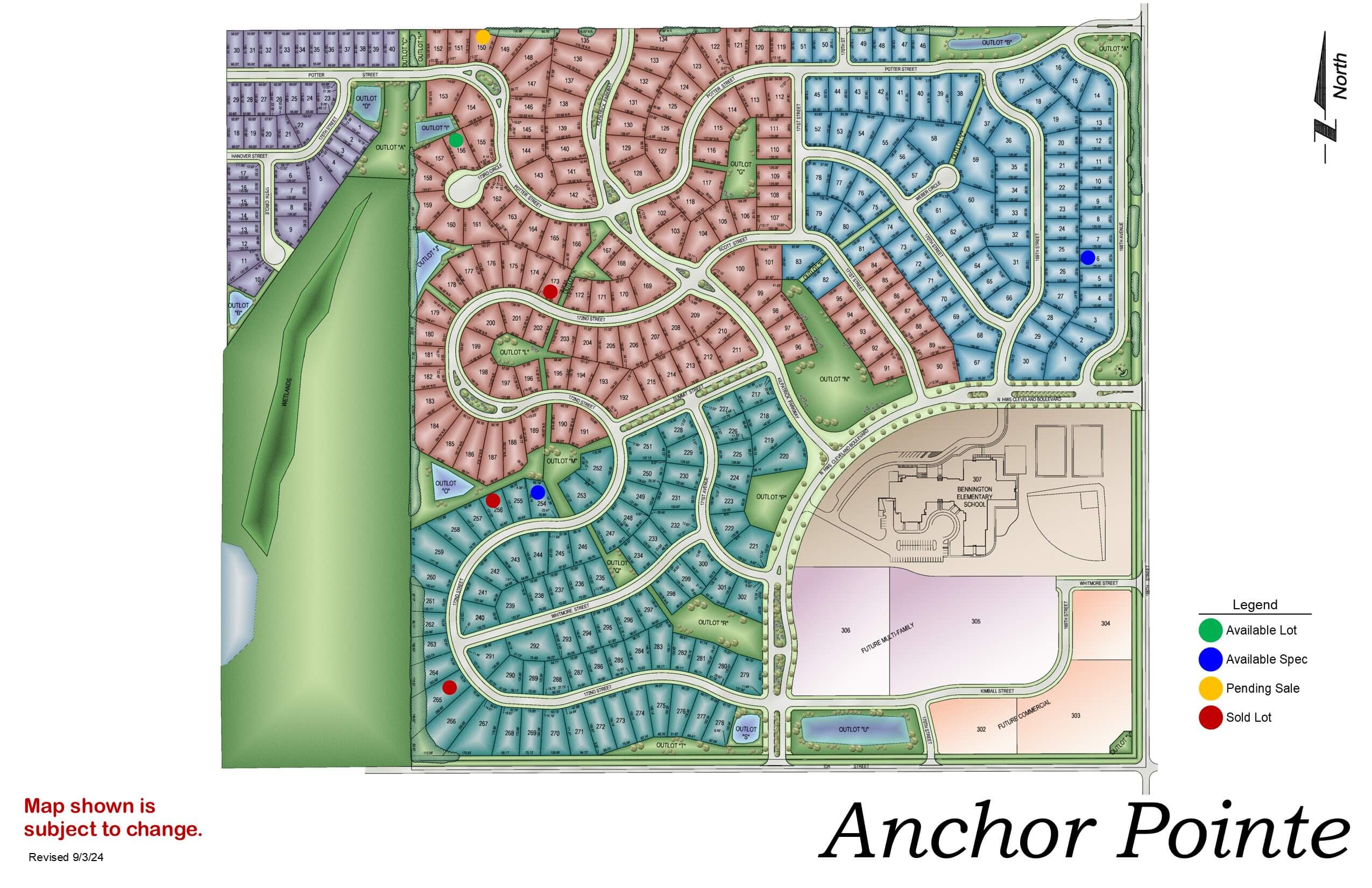
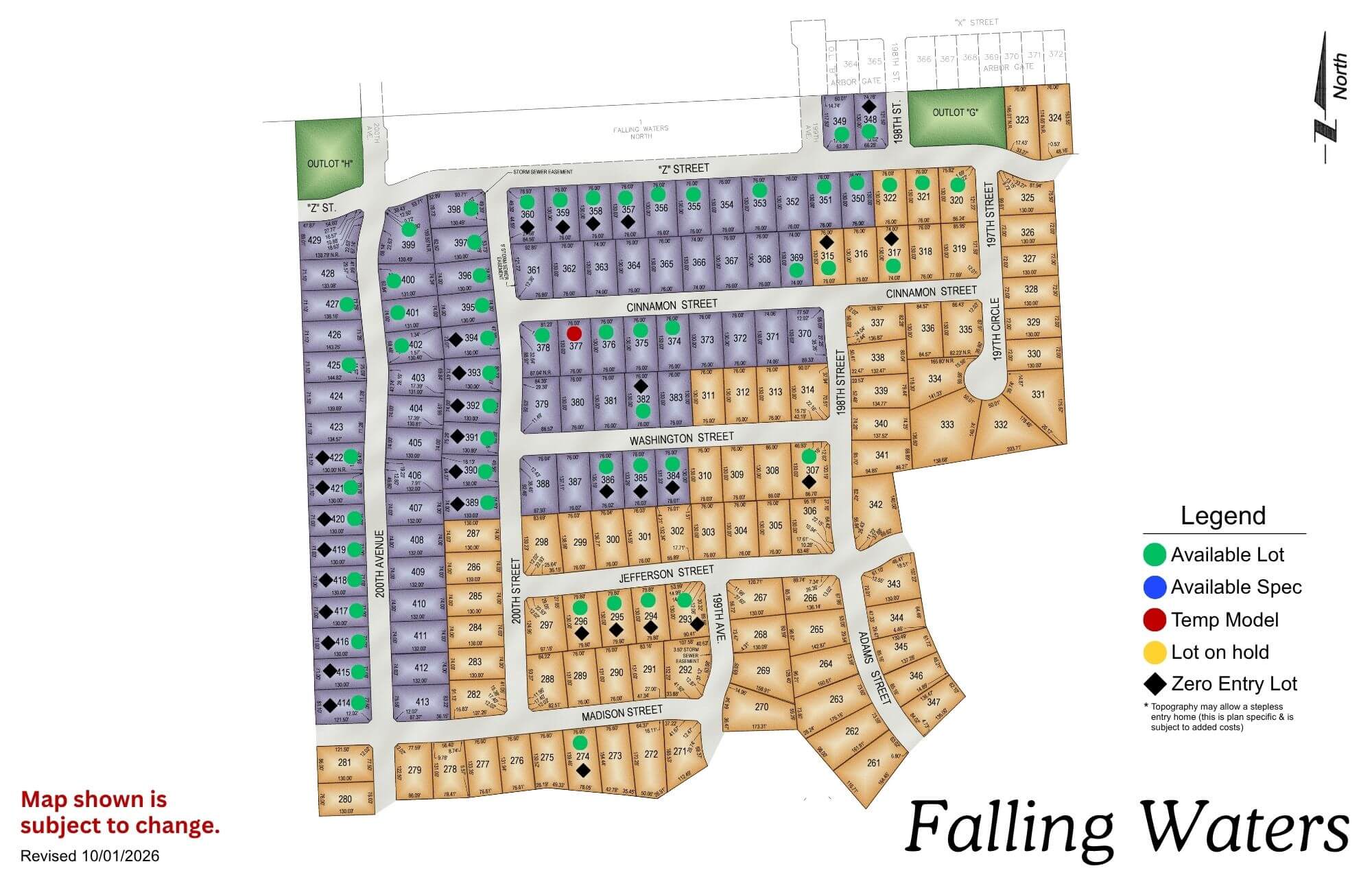
Every Regency Homes community sits on its own soil and lot conditions, which is part of why a winter plan needs to be site-specific, not generic. See which community fits the site you have in mind. Explore Our Communities →
Omaha winters are real. The area typically sees around 120 days a year with lows at or below freezing, and 38 days where the high temperature never climbs above 32°F, per the National Weather Service’s Omaha/Valley office.
That’s roughly four months of the year where a crew has to think differently about how concrete cures, how lumber behaves, and how long certain trades take.
The Three Things That Actually Change in Winter
- Concrete needs heat and time. Cold slows curing dramatically, so crews add protection to keep it on schedule.
- Materials react differently. Materials all react to cold and moisture differently than they do in July.
- Scheduling gets tighter. Weather windows for exterior work shrink, so sequencing matters more. Construction schedules are sometimes longer in the winter.
None of these are dealbreakers. They’re just variables a builder has to manage.
How Concrete Foundations Are Poured and Cured in Cold Weather
Foundation crews control concrete temperature during mixing, placement, and the first several days after the pour, using heated water, chemical additives, insulated blankets, and sometimes temporary enclosures to keep the mix above freezing until it gains strength.
The engineering behind this isn’t guesswork. It comes from a published national standard.
The American Concrete Institute’s cold-weather guidance applies once air temperature drops below 40 degrees Fahrenheit.
Thicker foundation elements need less added heat, since the concrete itself generates warmth as it cures.
Why the Frost Line Matters More Than People Think
Nebraska’s building code, which follows the framework set by the International Code Council’s International Residential Code, requires footings to sit below the local frost line. In the Omaha area, that typically means digging well past three feet before a footing can be poured.
Skip that depth and the ground itself becomes the problem. Freeze-thaw cycles in frozen soil can lift a shallow footing over time, long after the crew has moved on.
Your builder’s excavation team should already know your community’s specific soil conditions. If you haven’t picked a lot yet, that’s worth sorting out early.
What Winter Means for Framing, Materials, and the Building Envelope
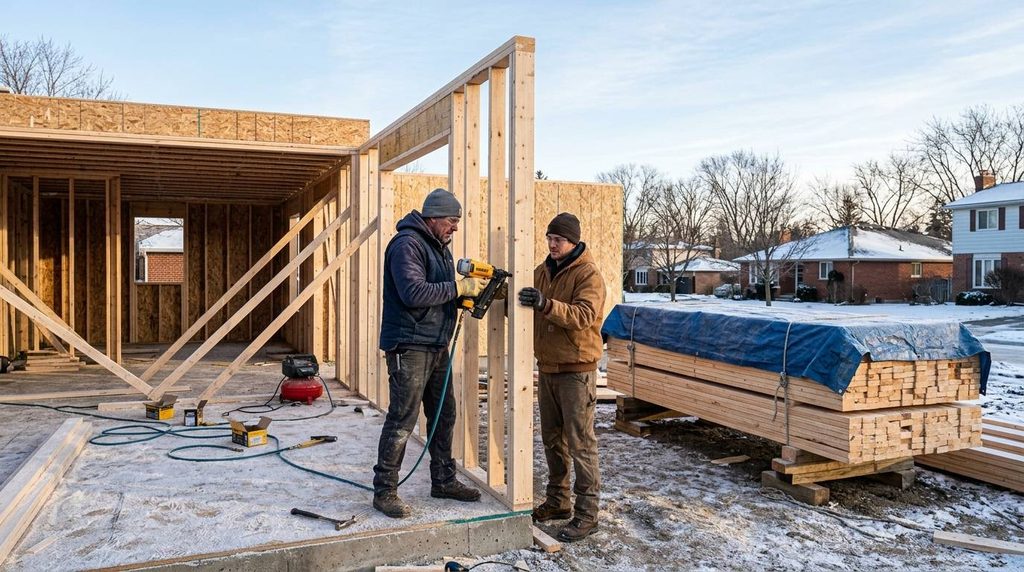
Framing crews work through winter using kiln-dried lumber, which actually performs well in low humidity, plus tarping and temporary heat is sometimes used to protect the structure before it’s fully enclosed.
Wood moves as humidity changes. Nebraska winters are dry, and kiln-dried framing lumber handles that dryness better than the high-humidity swings of a summer build.
Where Finishes Get Tricky
Paint, caulking, and certain adhesives don’t cure properly below freezing. That’s why interior finish work during a winter build usually happens after the home is enclosed and temporary heat is running.
This is also where sequencing matters most. A builder with a real winter protocol schedules trades so nothing gets installed before conditions are right for it to cure.
Winter Build vs. Warm-Season Build: What Actually Differs
| Build Phase | Winter Start | Spring or Summer Start |
|---|---|---|
| Excavation and foundation | Sometimes requires frost-cutting equipment and heated curing | Standard equipment, faster natural cure |
| Framing dry-in | Low humidity speeds moisture loss from lumber | Higher humidity slows drying |
| Exterior finishes (paint, sealants) | Delayed until enclosed and heated | Can proceed as scheduled outdoors |
| Crew and sub availability | Often more attentive scheduling, less competition for trades | Peak season, higher demand on trade crews |
How a Winter Start Affects Your Move-In Timeline
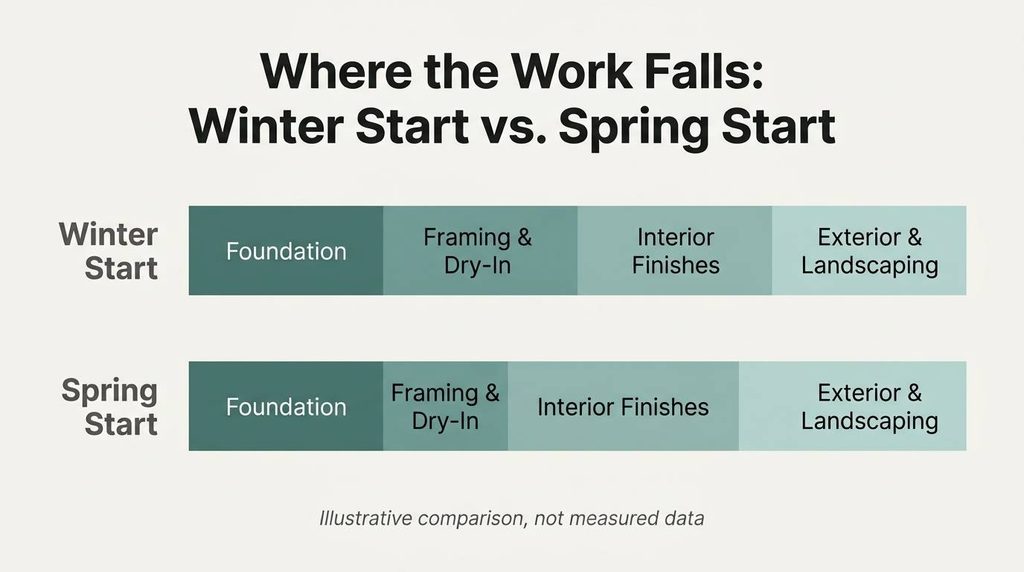
Starting construction in winter does not automatically add months to your move-in date. In most cases it simply shifts which phase of the build happens during the cold season, without changing the total build time.
Nationally, single-family construction now takes an average of 8.8 months from authorization to completion, per Eye On Housing’s analysis of 2025 Census Bureau data. That figure has actually been shrinking, not growing, as builders refine their scheduling.
A winter start often means your framing and dry-in happen during the coldest stretch, while your exterior finishes and landscaping land in spring. That’s not a bad trade. It just changes the order of operations.
If your timeline is the main thing on your mind right now, you’re not alone. Here’s a full breakdown of what typically happens at each stage of building a new home. Read: Home Building Timeline →
The Real Advantages of Building Through an Omaha Winter
Winter construction isn’t just a challenge to manage. It comes with a few genuine upsides that warm-season builds don’t have.
- Faster interior dry-in. Low winter humidity, combined with interior heat once the home is enclosed, pulls moisture out of framing lumber faster than a humid summer build allows.
- More attentive scheduling. Crews and subcontractors are typically less stretched across multiple jobs during winter, which can mean more consistent attention to your project.
- A head start on spring. A home that starts construction in winter is often framed, dried in, and moving toward finishes by the time warmer weather hits, putting you ahead of buyers who wait until spring to start.
None of this means winter is automatically faster. It means the calendar works differently, and a builder who plans for it can turn the season into an advantage instead of a delay.
Which Home-Building Path Fits a Winter Timeline?
Not every buyer wants to start a build from bare dirt in January. Here’s how the main paths compare for a winter timeline.
Starting a Semi-Custom Build This Winter
A semi-custom build gives you a proven floor plan with room to make it your own, and it’s a natural fit for a winter start since the design decisions are largely settled before the first shovel hits the ground.
If you like the idea of a personalized home without designing every detail from scratch, this is worth a look. See how Regency’s semi-custom process works from first meeting to move-in day. Learn About Our Semi-Custom Process →
Skipping the Wait With a Quick Move-In Home
If winter construction timelines aren’t appealing at all, a quick move-in home sidesteps the question entirely. These homes are already under construction or complete, so there’s no cold-weather start date to plan around at all.
Sometimes the simplest answer to “should I build in winter” is not building at all. Browse homes that are already underway or ready now. See Quick Move-In Homes →
Not Sure Which Path Fits? Compare Your Options
Custom, semi-custom, and spec homes each come with different timelines, different levels of input, and different starting points, and winter affects each one a little differently.
Still weighing custom against semi-custom against a spec home? This breaks down exactly how each path works, side by side. Compare Custom vs. Semi-Custom vs. Spec Homes →
Planning Your Winter Build: What to Expect and When to Start
A winter build works best when your plan, lot, and permits are settled before cold weather hits, so the excavation crew can move the moment conditions allow it.
Permitting and plan selection don’t need to wait for warm weather. In fact, locking in your floor plan during the fall means your builder can schedule excavation for the first workable window, rather than starting the paperwork after the ground is already frozen.
The floor plan you choose shapes everything that follows, including how your winter schedule gets sequenced. Browse Regency’s available plan collections before you lock in a start date. View Plan Collections →
What to Ask Before You Commit to a Winter Start
- Does the builder have a time proven cold-weather concrete protocol, or are they figuring it out as they go?
- Who monitors cold weather builds during the protection period, and how often?
- How does the schedule change if there’s an extended cold snap or a major snow event?
- What happens to exterior finish work if temperatures stay below freezing for weeks?
A builder who answers these clearly, without hesitation, is one who has done this before.
Frequently Asked Questions about Building a House in Winter
Can you pour a concrete foundation when it’s below freezing in Nebraska?
Yes. Crews use heated mixing water, insulated curing blankets, and sometimes temporary enclosures to keep concrete above the minimum required temperature until it gains enough strength to resist freeze damage. This is standard practice across the industry, not a workaround unique to any one builder.
Does starting construction in winter delay move-in day?
Not inherently. A winter start typically shifts which phase happens during the cold months rather than adding time overall. Framing and dry-in often land in winter, while exterior finishes and landscaping shift to spring, keeping the total timeline in line with a warm-season start.
Will winter construction affect my home’s long-term durability?
No, as long as the builder follows recognized cold-weather protocols for concrete curing, framing protection, and finish sequencing. Concrete cured under proper cold-weather protection can actually develop strong long-term durability, since gradual strength gain in cold conditions reduces certain types of cracking risk.
Is it harder to get subcontractors scheduled during winter months?
It’s often the opposite. Many trade crews see less demand in winter than during the busy spring and summer season, which can mean more consistent attention on your specific project. Builders with established subcontractor relationships tend to have an easier time holding a winter schedule than those without.
What should I ask my builder before starting a winter build?
Ask whether they have a time-proven cold-weather concrete protocol, who monitors temperatures during curing, and how they handle scheduling around extended cold snaps or major snow events. A builder with real winter experience will answer these specifically, not in vague generalities.
Your Nebraska Winter Build Starts With a Conversation
Regency Homes has spent years building through Omaha winters, not around them, and that experience shows up in how our crews plan, protect, and sequence every cold-weather job. We were named a Best of Omaha 2026 winner, and a big part of that reputation comes from projects that stayed on track no matter what the season threw at them.
If you’ve been holding off on building because winter feels like the wrong time to start, it’s worth a conversation before you assume that’s true. A well-planned winter build can put you closer to move-in day than waiting until spring ever would.
Call us at 402-256-5727 or reach out through our contact page to talk through what a winter start would actually look like for your project. Contact Regency Homes →