



What you need to know now about moving to Omaha, Nebraska:
- Omaha’s cost of living runs about 9 to 10 percent below the national average, with housing the biggest source of the savings.
- The metro’s unemployment rate sat at 3.0 percent in April 2026, well under the national rate, anchored by five Fortune 500 headquarters.
- Growing suburbs like Elkhorn, Gretna, Papillion, Bellevue, and Bennington offer the newest homes, newest schools, and shortest commutes into downtown.
- Winters are real here. Plan on more than two feet of snow some years and a car as your main way around town.
Keep reading, and you will know exactly where to look first.
What Is It Really Like Moving to Omaha, Nebraska?
Moving to Omaha, Nebraska means trading coastal price tags for a Midwestern budget without giving up a real job market, a real food scene, or real seasons. It is a city of about 486,000 people that still feels like a collection of neighborhoods, not a sprawling anonymous metro.
We talk to transplants every month at Regency Homes. The pattern is the same.
People show up expecting a sleepy flyover stop. They leave their first open house surprised by how much is actually happening here.
A City Built on Insurance, Rail, and Beef
Omaha’s economy was never an accident. Berkshire Hathaway, Mutual of Omaha, Union Pacific, ConAgra Brands, and Kiewit all run their headquarters from here, which is an unusual concentration of Fortune 500 power for a city this size.
That stability shows up in the numbers, not just the skyline.
One Stat That Explains the Whole Pitch
Nebraska’s cost of living index sits at 90.1, using the national average of 100 as the baseline, based on second-quarter 2026 data compiled from the Council for Community and Economic Research. Translated: a dollar here buys noticeably more than a dollar almost anywhere on either coast.
How Much Does It Actually Cost to Live in Omaha?
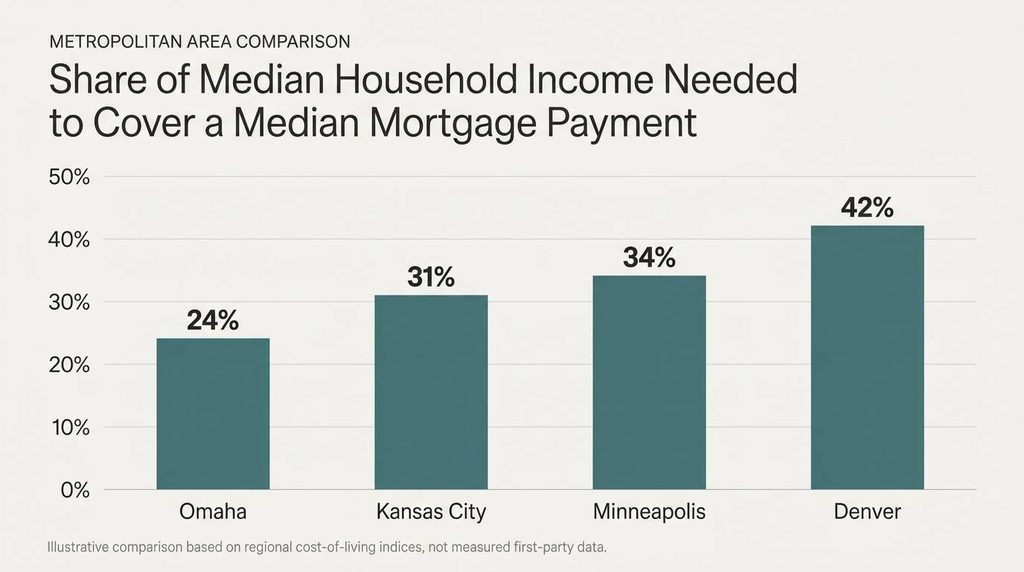
Living in Omaha costs about 9 to 10 percent less than the national average overall, with housing running 20 percent or more below the national benchmark. Utilities, groceries, and healthcare all land below average too, though property taxes push the other direction.
That last part gets left out of a lot of relocation content. We will not skip it.
The Housing Math
Omaha’s median home sale price climbed to roughly $331,000 by mid-2026, a 5.2 percent year-over-year increase, according to Redfin’s mid-2026 housing data.
That is still well below the national median, and it buys considerably more house than the same number would in Minneapolis, Denver, or Kansas City proper.
The Tax Trade-Off Nobody Mentions
Nebraska’s state income tax is graduated, topping out at 4.55 percent, which is moderate by national standards. Property tax is the catch: Nebraska runs a 1.44 percent effective rate on owner-occupied homes, among the higher rates in the country, according to the Tax Foundation.
Douglas County, where Omaha proper sits, and Sarpy County, home to Papillion and Bellevue, both run near or above that state figure.
What a Dollar Actually Buys Here
| Monthly Expense Category | Typical Omaha Range (2027) | How It Compares to the National Average |
|---|---|---|
| Household utilities (electric, gas, water) | $160–$200 | About 12–15% lower |
| Basic grocery basket (family of four) | $950–$1,150 | About 5–8% lower |
| Gas, per gallon | Near $3.00 | At or slightly below average |
| Routine dental checkup | $90–$110 | About 2% lower |
| Average commute time | 21 minutes one way | Roughly 7 minutes shorter |
Curious what that budget looks like once you factor in a new build instead of an older resale? Our plan collections break down finishes, square footage, and standard features by community. Explore Plan Collections →
What Are the Best Omaha Suburbs for New Residents?
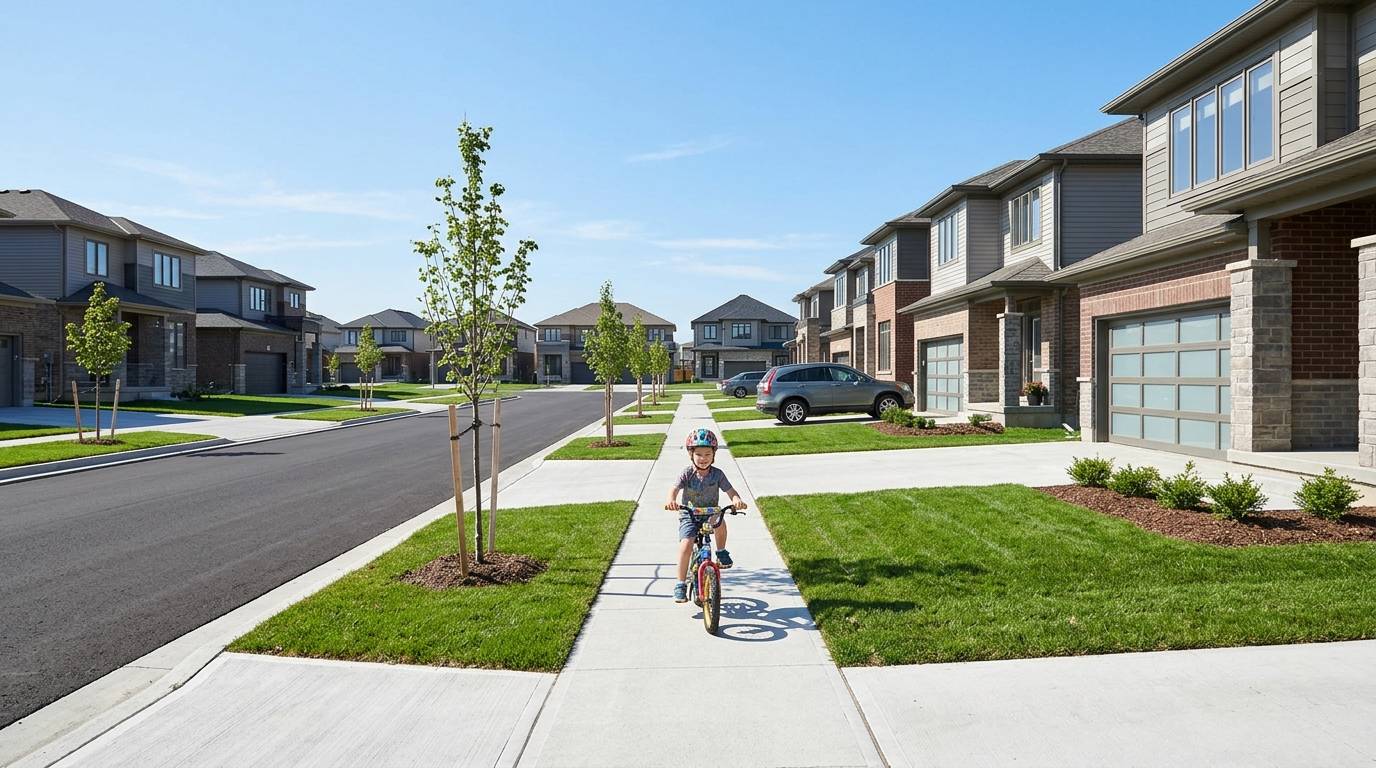
The best Omaha suburbs for new residents depend on commute tolerance and school district priorities, but Elkhorn, Gretna, Papillion, Bellevue, and Bennington consistently top the list for new construction, newer schools, and shorter drives to the job centers along West Dodge Road.
Each one has a distinct personality. None of them are interchangeable.
If You Want the Newest Growth Corridor: Elkhorn
Elkhorn sits on Omaha’s western edge and has absorbed much of the metro’s new-home growth over the past decade. The Elkhorn Public Schools district consistently draws families moving specifically for the schools.
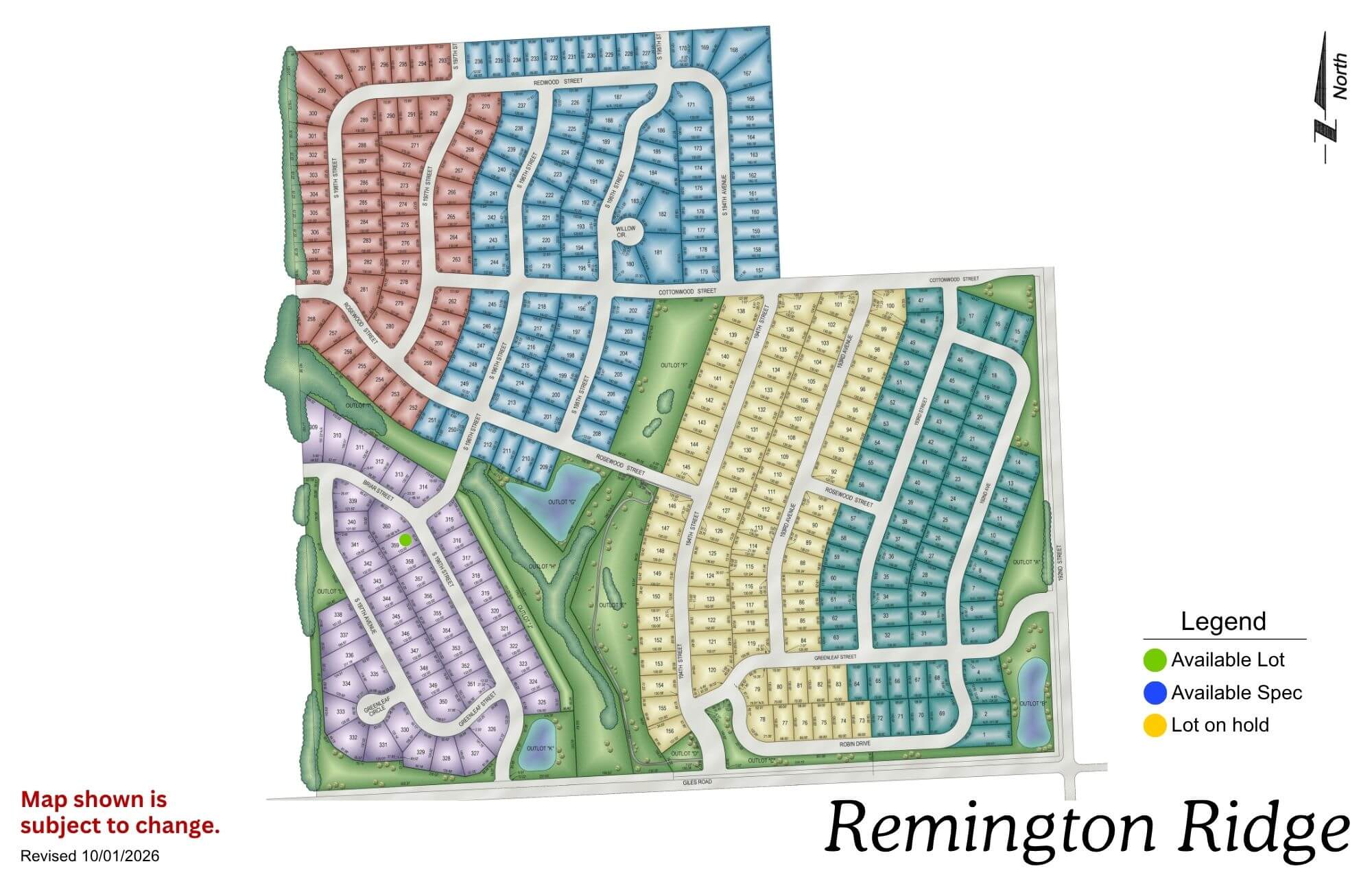
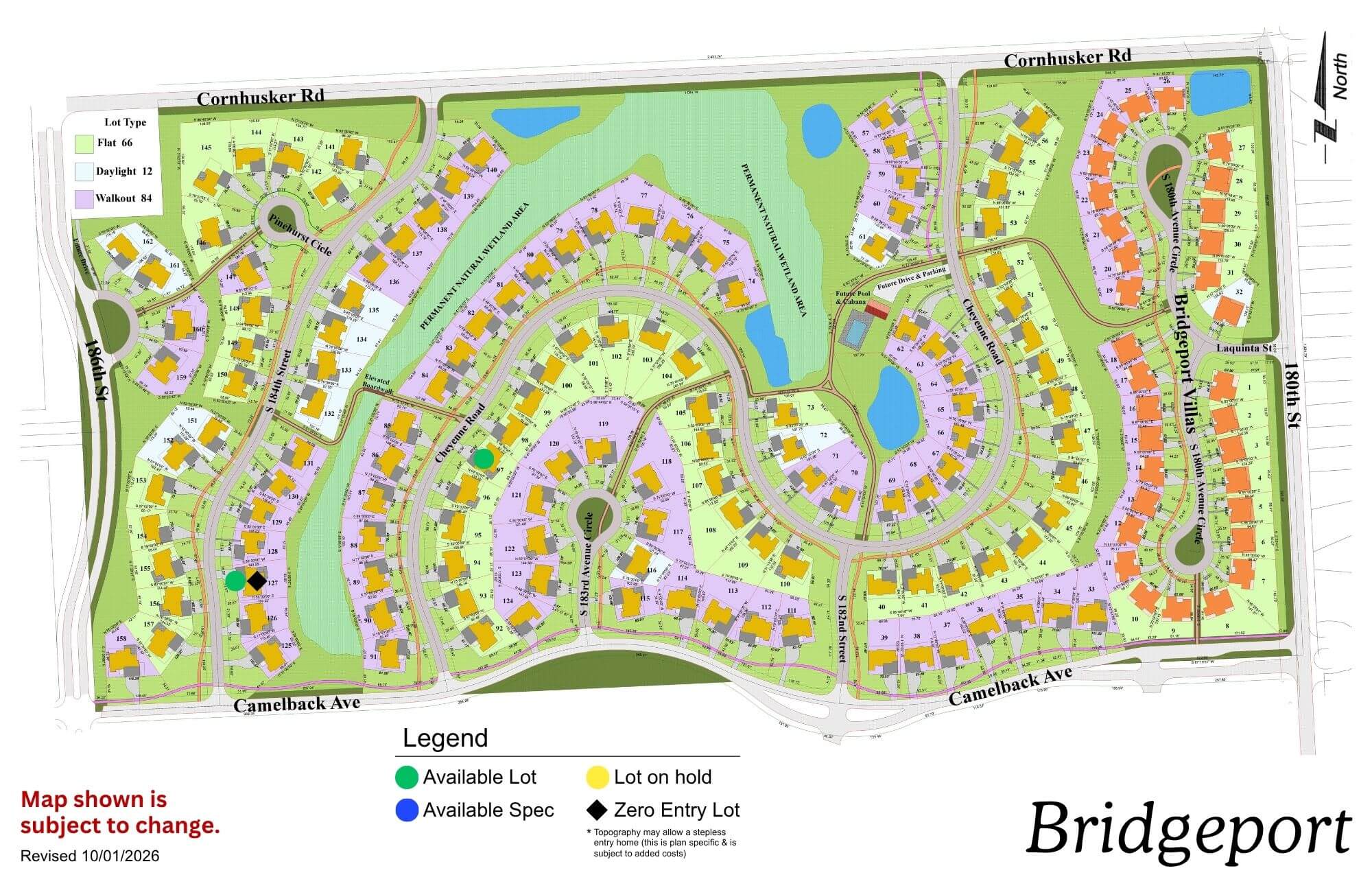
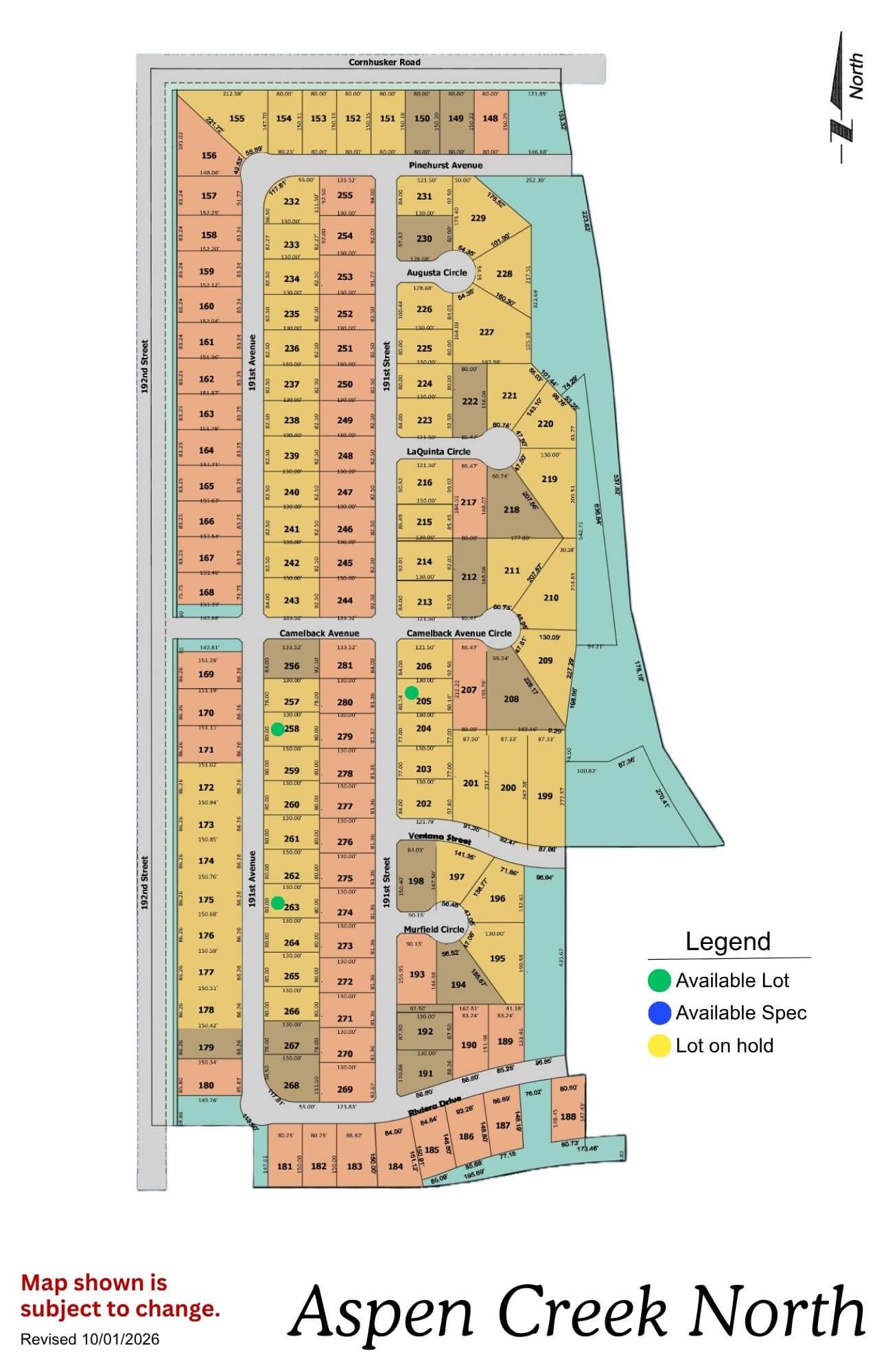
Elkhorn’s growth corridor is where a lot of our newest homeowners land first. See the communities we are actively building there right now. See Elkhorn New Home Communities →
If You Want Proximity to Offutt Air Force Base: Bellevue
Bellevue and the surrounding Sarpy County communities sit closest to Offutt Air Force Base, which makes this corridor a natural landing spot for military families and contractors tied to the base.
If You Want a Growing Town Center Feel: Papillion
Papillion has built an actual downtown around its historic district, something not every Omaha suburb can claim. It pairs that small-town core with Papillion La Vista schools and quick highway access.
Papillion’s historic downtown pairs well with brand-new streets just a few minutes off it. Take a look at what we’re building in the area. See Papillion New Home Communities →
If You Want Room to Grow: Gretna and Bennington
Gretna anchors some of the fastest-growing residential development west of Omaha, with new elementary and middle schools built specifically to keep pace. Bennington, further north, offers larger lots and a quieter, more rural feel while staying inside a reasonable commute.
If You Want Walkable and Established: Dundee and Aksarben
Inside the city itself, Dundee and Aksarben draw people who want walkable restaurants, local breweries, and older housing stock with character. These neighborhoods trade new-construction options for location and architecture.
| Suburb | Primary School District | Defining Feature |
|---|---|---|
| Elkhorn | Elkhorn Public Schools | Fastest new-home growth corridor |
| Gretna | Gretna Public Schools | New schools built alongside new neighborhoods |
| Papillion | Papillion-La Vista Schools | Historic downtown core |
| Bellevue | Bellevue Public Schools | Closest to Offutt Air Force Base |
| Bennington | Bennington Public Schools | Larger lots, more rural feel |
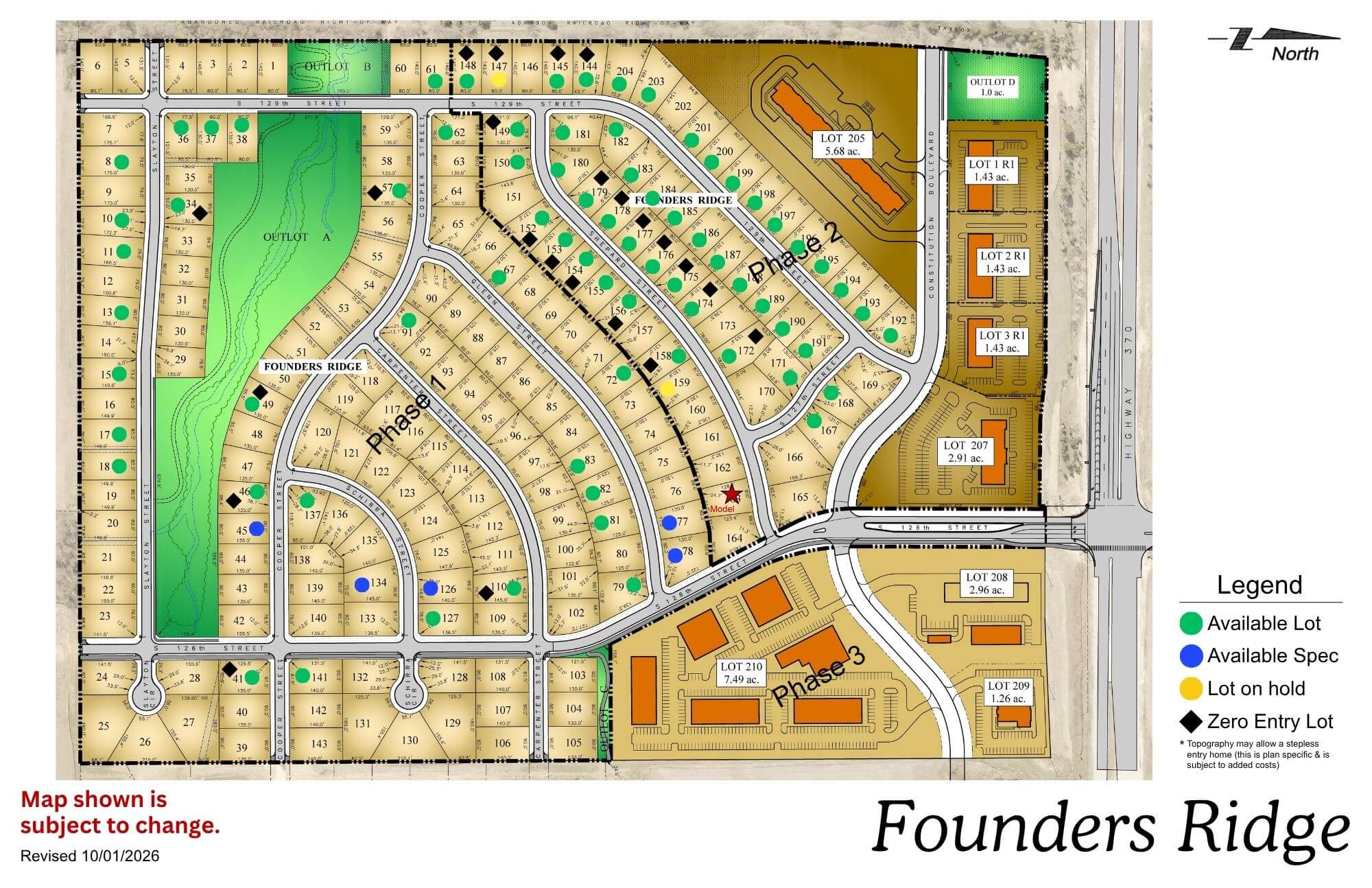
Not sure which suburb fits your commute and budget? Browse every active Regency Homes community across the metro in one place. Browse Our Communities →
Should You Buy an Existing Home or Build New in Omaha?
Building new in Omaha often makes more sense than buying resale right now, since inventory of updated, move-in-ready existing homes is tight in the most popular growth suburbs. A new build also sidesteps the inspection surprises that come with a 20 or 30-year-old house.
This is the part most relocation guides skip entirely. They talk about neighborhoods and never mention the actual buying decision.
The Resale Reality in 2027
Active listings across the metro have stayed tight relative to demand, and older homes in Elkhorn, Gretna, and Papillion tend to sell fast when they do hit the market. Buyers competing for resale inventory in these suburbs often face multiple offers.
The New-Build Advantage for Relocators
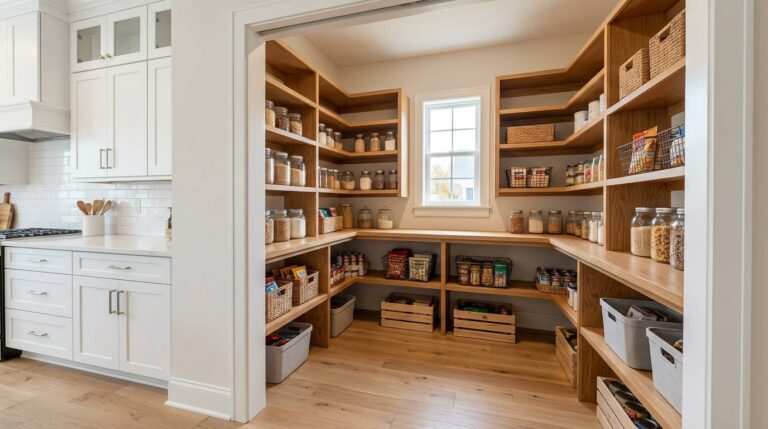
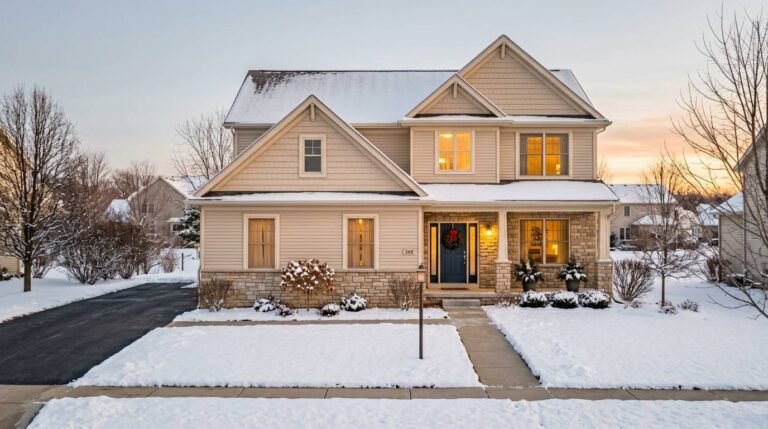
A newly built home comes with a builder warranty, current energy codes, and zero deferred maintenance from a previous owner. For someone relocating from out of state, that predictability matters more than it sounds like it should.
You are not inheriting someone else’s roof decisions. You are not guessing at the furnace’s age.
Weighing new construction against buying something already on the market? We laid out the real differences, from timelines to maintenance, in plain terms. Read New Construction vs. Existing Homes in Omaha →
What’s the Job Market Like in Omaha?
Omaha’s job market is one of the tightest in the Midwest, with unemployment at 3.0 percent in the metro’s most recent preliminary reading, sitting well below the national rate, according to the U.S. Bureau of Labor Statistics.
Construction employment alone grew 8.4 percent year over year as of that same report.
Who’s Actually Hiring
Beyond the headline Fortune 500 names, Omaha’s job base leans heavily on finance, insurance, logistics, and healthcare. The University of Nebraska Medical Center and Nebraska Medicine anchor a sizable regional health system employing thousands.
Add TD Ameritrade’s former workforce (now under Charles Schwab), First National Bank of Omaha, and a dense logistics sector tied to Union Pacific’s rail network, and the picture is a diversified economy that rarely swings hard in either direction.
What’s Winter Really Like in Omaha?
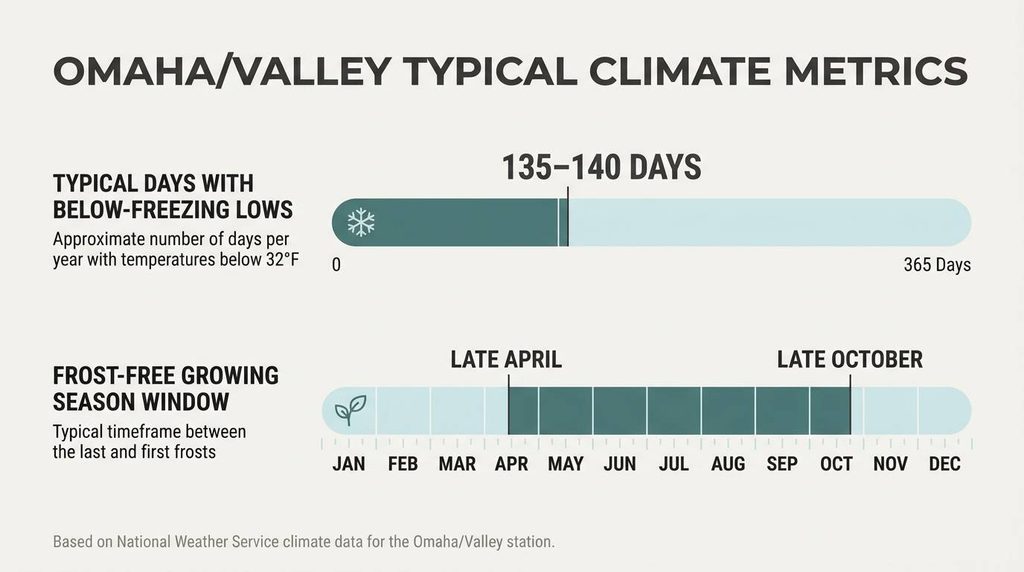
Winter in Omaha is a genuine four-season experience, not the mild version some relocation content implies. Expect sustained stretches below freezing, periodic snowstorms, and a wind chill that makes the actual temperature feel ten degrees colder.
This is the detail that catches warm-climate transplants off guard every single year.
The Numbers Behind the Cold
Omaha averages roughly 27 inches of snow a year under the official 1991–2020 climate normals, based on data from NOAA’s U.S. Climate Normals. Heavier winters regularly clear two feet on their own.
Summers swing the other direction entirely, with multiple weeks of 90-degree-plus heat.
What This Means for a New Home
Homes built for this climate need a furnace sized for sustained sub-freezing stretches, not just occasional cold snaps. Roof pitch, gutter design, and driveway drainage all matter more here than they would somewhere with a mild winter.
We size every mechanical system around what a real Nebraska winter demands, not a national average.
How Do You Get Around Omaha?
Getting around Omaha requires a car for almost everyone outside the urban core. Metro Transit’s single rapid-bus line runs along the Dodge Street corridor between downtown and Westroads, but it does not reach the growth suburbs where most new construction sits.
That matters more than most relocation guides let on.
Commute Reality by Suburb
A commute from Elkhorn, Gretna, or Bennington into downtown typically runs 25 to 35 minutes depending on traffic and time of day, while Papillion and Bellevue sit closer, often under 20 minutes to the South Omaha job corridors.
West Dodge Road, I-680, and I-80 carry the bulk of that traffic, and rush hour backups are real but short compared to a coastal commute.
What Should You Know Before You Move?
Before you move to Omaha, line up your utility accounts, confirm your target school district’s enrollment deadlines, and research healthcare providers in your new ZIP code, since Omaha splits its hospital systems across two major networks.
A little prep here saves a chaotic first month.
Healthcare to Have on Your Radar
Nebraska Medicine and CHI Health operate the two largest hospital systems in the metro, with Children’s Nebraska handling pediatric specialty care. Most suburbs have at least one urgent care and primary clinic within a short drive.
A Short Relocation Checklist
- Register your vehicle with the Nebraska DMV within 30 days of establishing residency.
- Confirm your target suburb’s school boundary before signing anything, since district lines can split a single street.
- Set up utility accounts (OPPD for electric, Metropolitan Utilities District for gas and water) ahead of your move date.
- Budget for a winterization pass on your vehicle if you are coming from a warm climate.
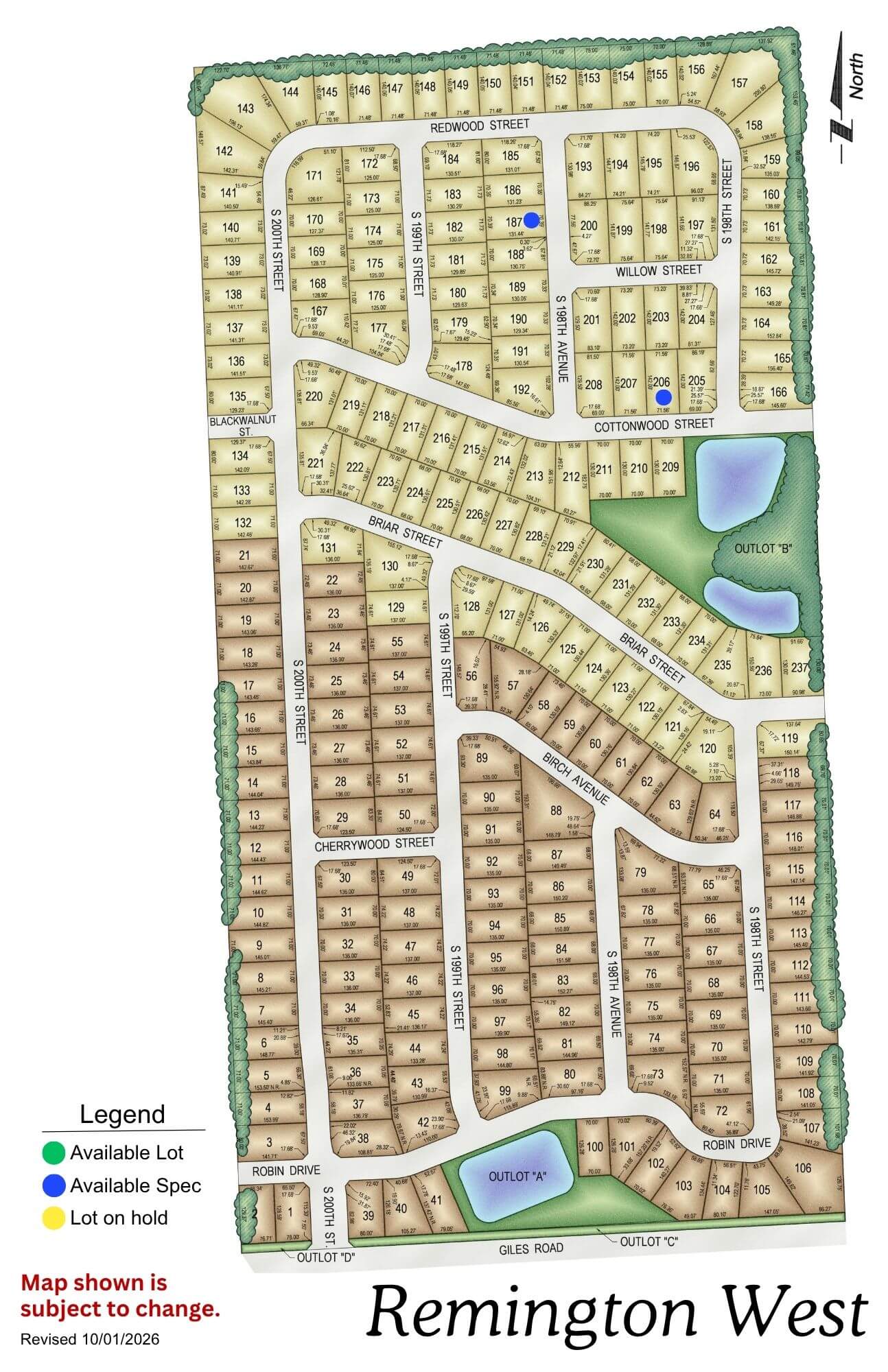
Want to see what’s already built and ready to walk through? Our available homes page updates in real time as new listings open across every community. View Available Homes →
Where Should You Build Your New Home in Omaha?
Where you build in Omaha should come down to commute tolerance, school district priority, and how much say you want in your home’s layout and finishes. A semi-custom builder gives you more input than a production home without the full custom timeline.
That middle ground is exactly where we operate.
Why Families Relocating to Omaha Choose Regency
Regency Homes has built in this market for more than five decades, with active communities across Elkhorn, Gretna, Papillion, and Bellevue. We were recognized as a Best of Omaha 2026 Winner, voted on by the people who actually live here.
That recognition comes from homeowners, not advertising. We think that matters more than a star rating.
Frequently Asked Questions about Moving to Omaha, Nebraska
Is Omaha a Good City for Remote Workers?
Yes, with caveats. Internet infrastructure is solid across the metro, and the lower cost of living stretches a remote salary further, but suburbs like Bennington and parts of Gretna are newer builds where fiber availability varies by street, so confirm service before signing a lease or contract.
How Far in Advance Should I Start House Hunting Before Relocating to Omaha?
Give yourself 60 to 90 days if you want resale inventory in a popular suburb, since good listings in Elkhorn or Papillion move quickly. A new build timeline runs longer, often four to eight months depending on the community and time of year.
Do I Need a Car Immediately After Moving to Omaha?
Almost certainly, unless you are settling directly downtown near the ORBT corridor. Suburban growth areas like Elkhorn, Gretna, and Bennington have no meaningful transit coverage, so plan on a vehicle from day one.
What’s the Biggest Culture Shock for People Moving to Omaha From a Bigger City?
The pace. Omaha moves slower in the best sense: shorter commutes, less competition for everyday reservations, and a business culture that still runs on relationships built over years, not quarters.
Are Omaha’s Property Taxes Really Higher Than Average?
Yes, relative to the rest of the country. Nebraska’s effective property tax rate runs around 1.44 percent, above the national median, which partially offsets the state’s lower income tax and overall affordability.
Moving to Omaha Is a Bigger Decision on Paper Than It Is in Practice
Omaha rewards people who do a little homework before they arrive. The cost of living, the job stability, and the newer suburbs all hold up under scrutiny, which is rarer than it sounds for a relocation pitch.
We have watched hundreds of families go from a first phone call to moving boxes into a finished home. The version of Omaha you are picturing right now is probably smaller than the one you will actually find.
Ready to talk through your move with someone who builds here every day? Contact Regency Homes →