


What you need to know now about corner lot pros and cons:
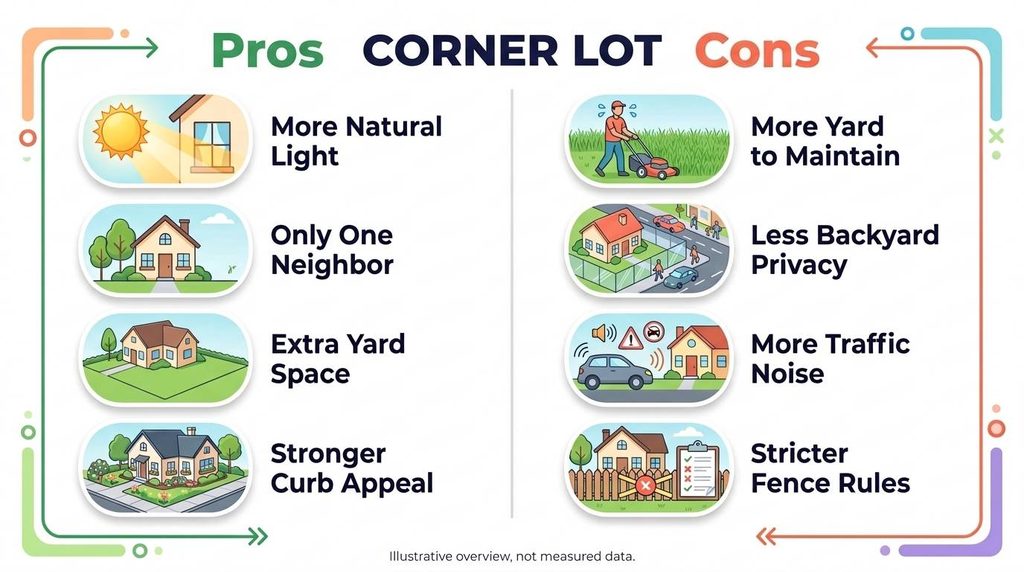
- A corner lot trades extra space, natural light, and only one direct neighbor for more yard to maintain, less backyard privacy, and stricter fence and setback rules.
- Corner lots typically sit on two street frontages instead of one, which changes everything from mowing and snow removal to how a fence can be built.
- Whether a corner lot is a good or bad fit for you depends far more on the specific intersection than on corner lots as a category.
Keep reading to see exactly what changes on a corner lot, what rules to expect, and what to ask before you choose your homesite.
What Makes a Lot a Corner Lot?
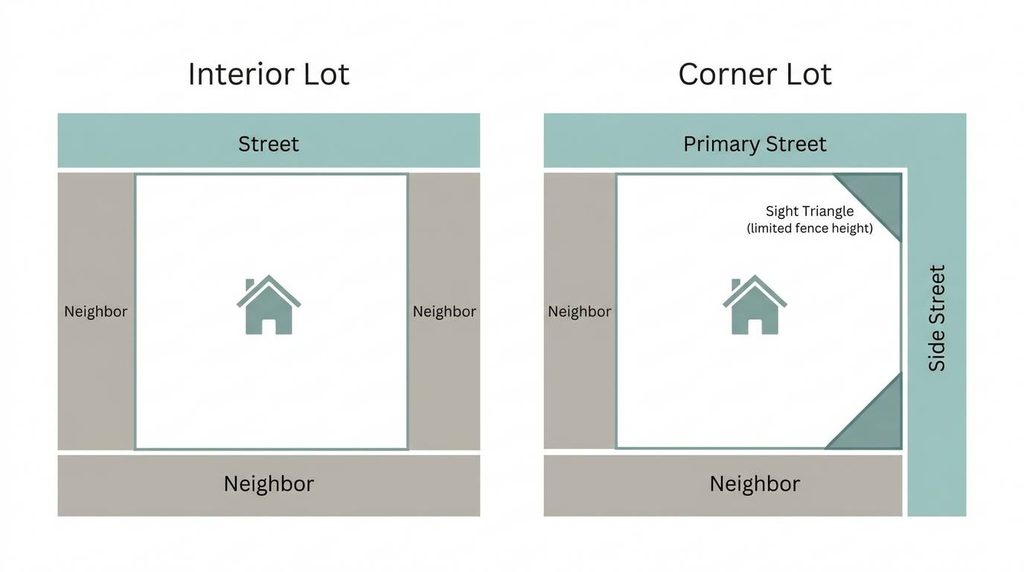
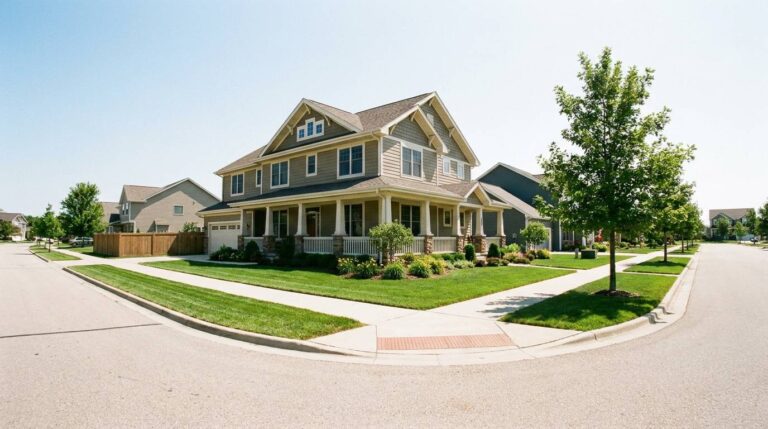
A corner lot sits at the intersection of two streets, which gives it two sides facing public roadways instead of just one. That second frontage is what drives nearly every pro and con on this list, from extra sunlight to extra sidewalk to shovel.
Because municipalities usually require corner lots to be wider than standard interior lots, to leave room for both street setbacks, these homesites often end up larger than their neighbors by design, not by accident.
Picking a lot is one of those decisions that feels simple until you’re standing on one. A corner lot looks bigger, feels more open, and photographs beautifully. It also comes with trade-offs that only show up once you’re living there.
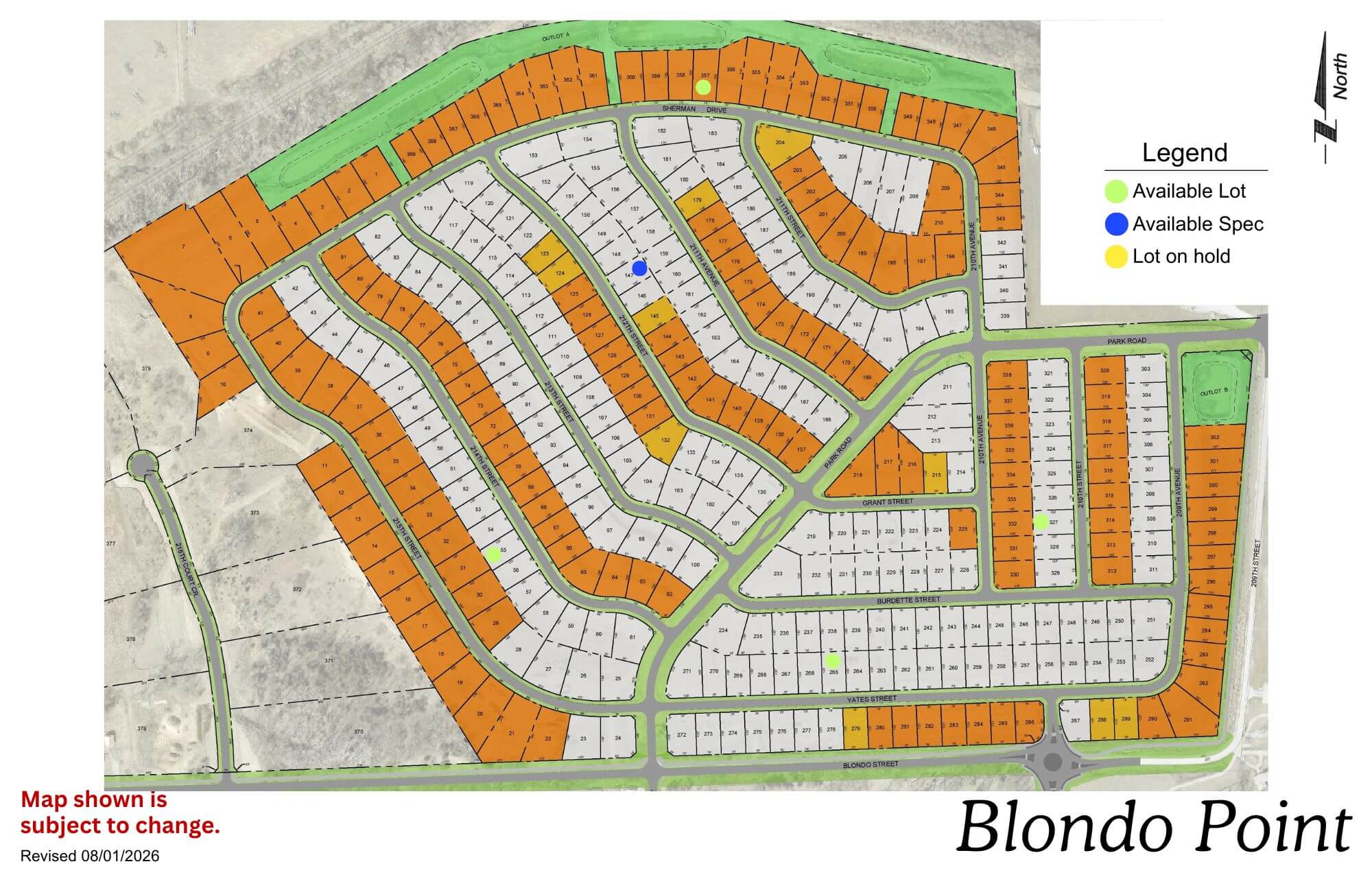
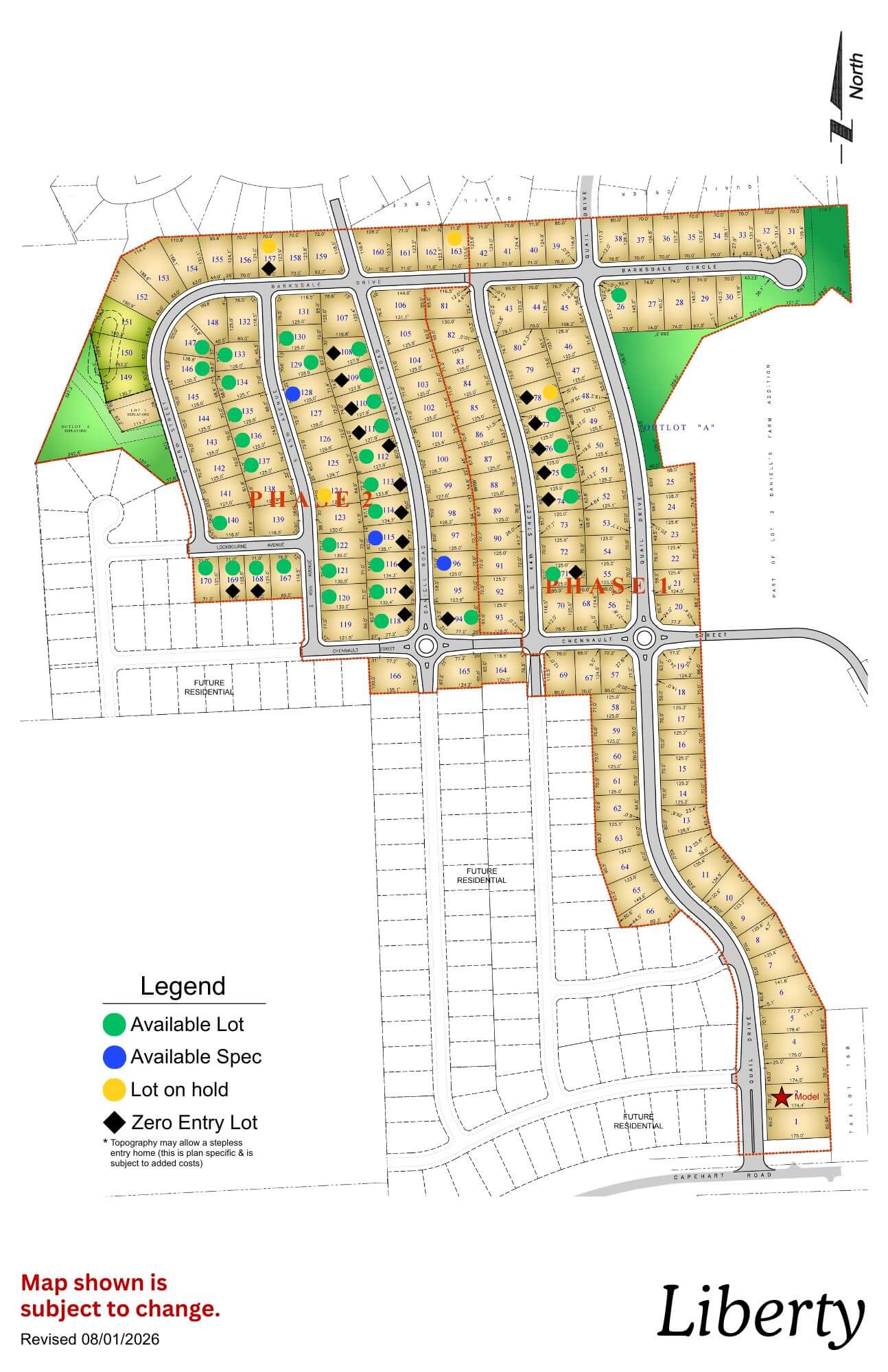
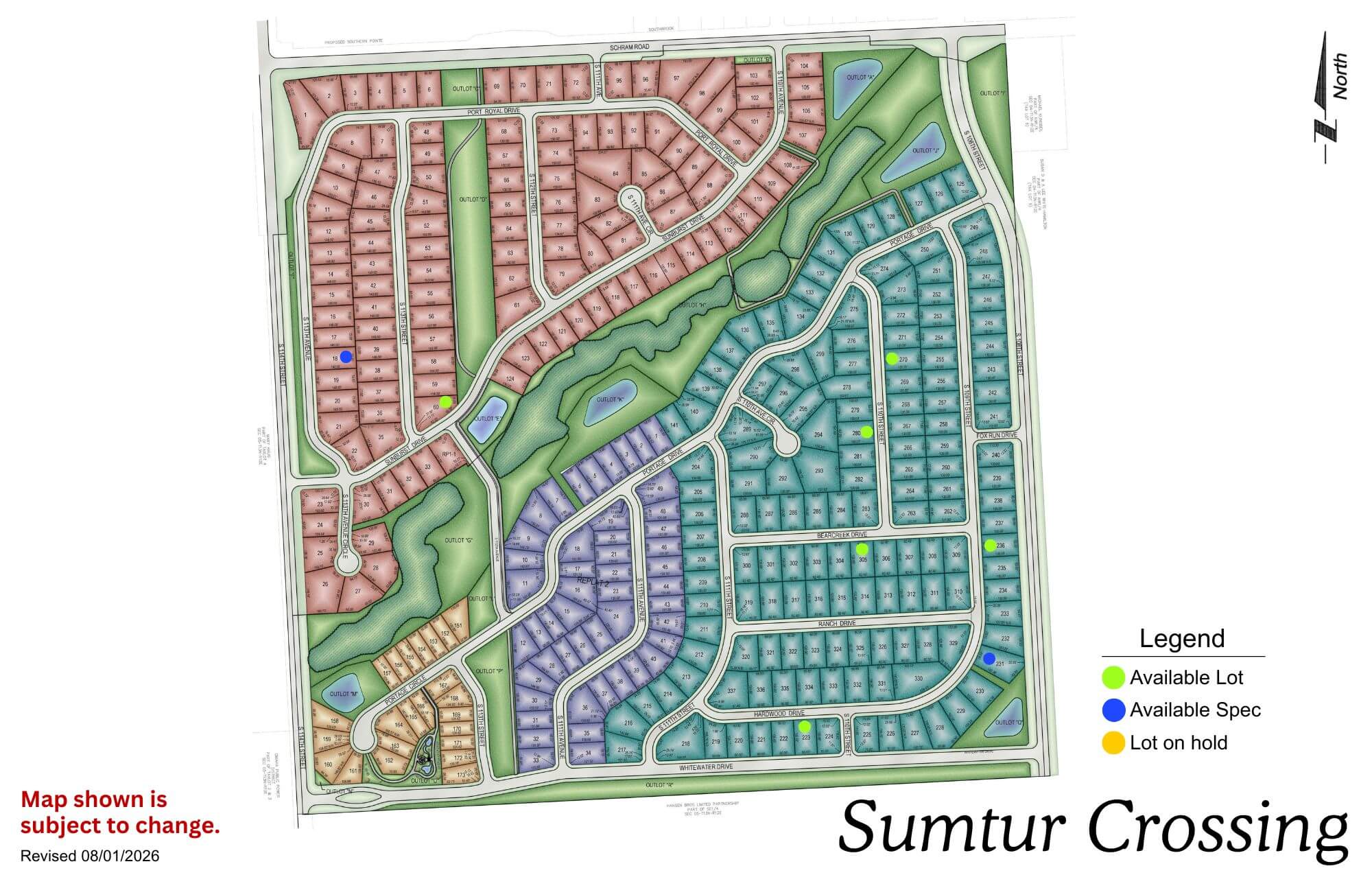
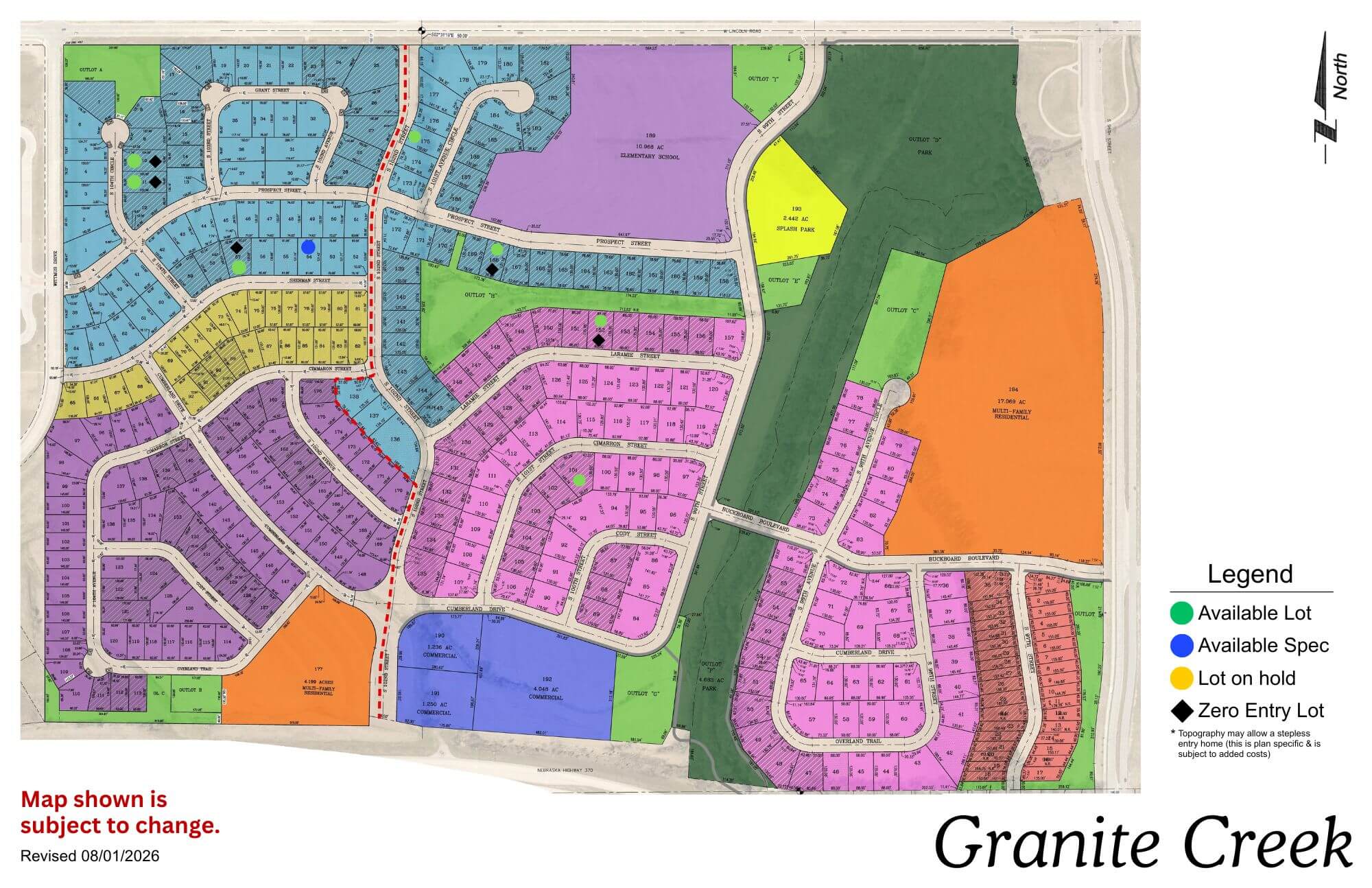
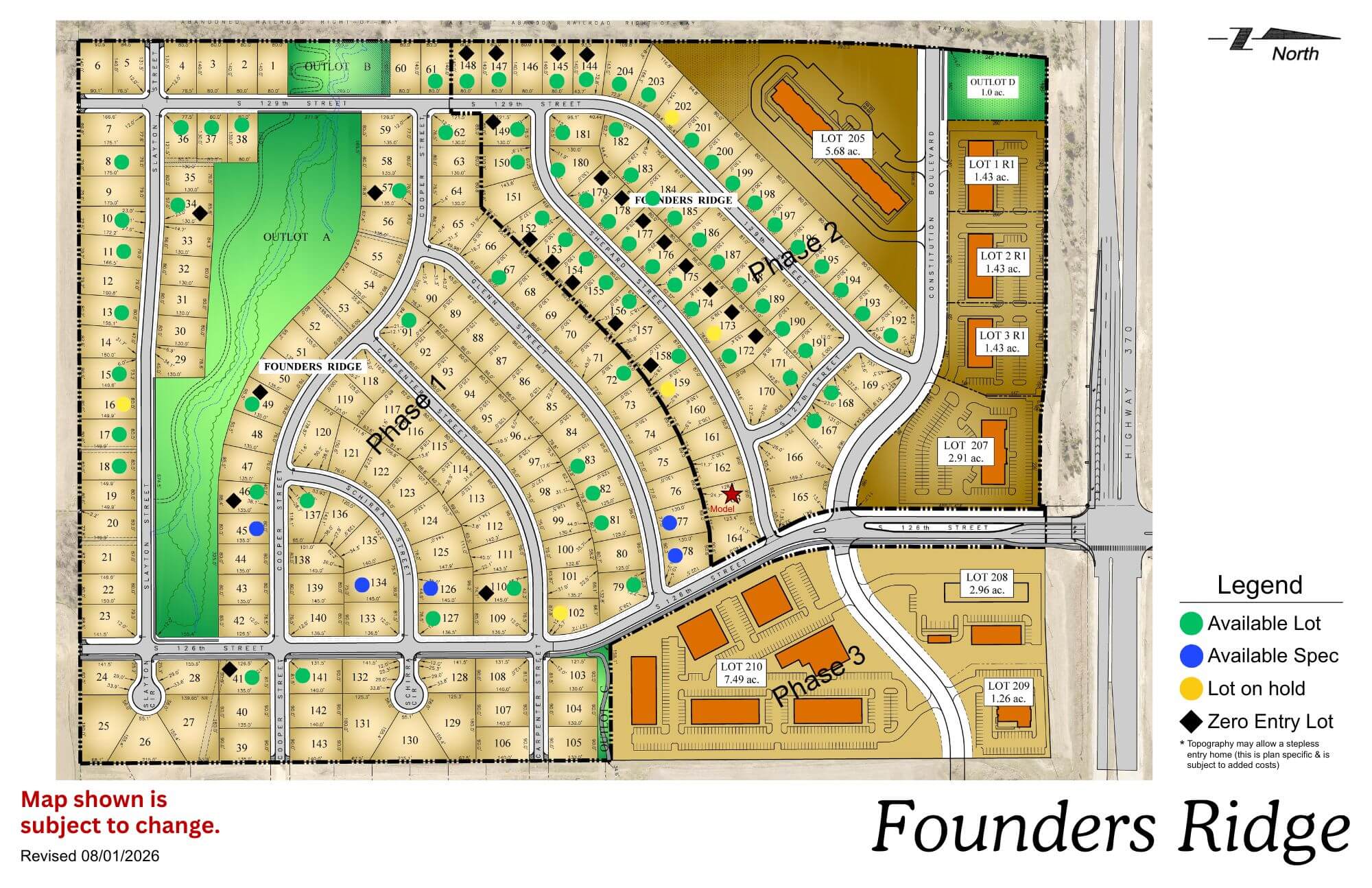
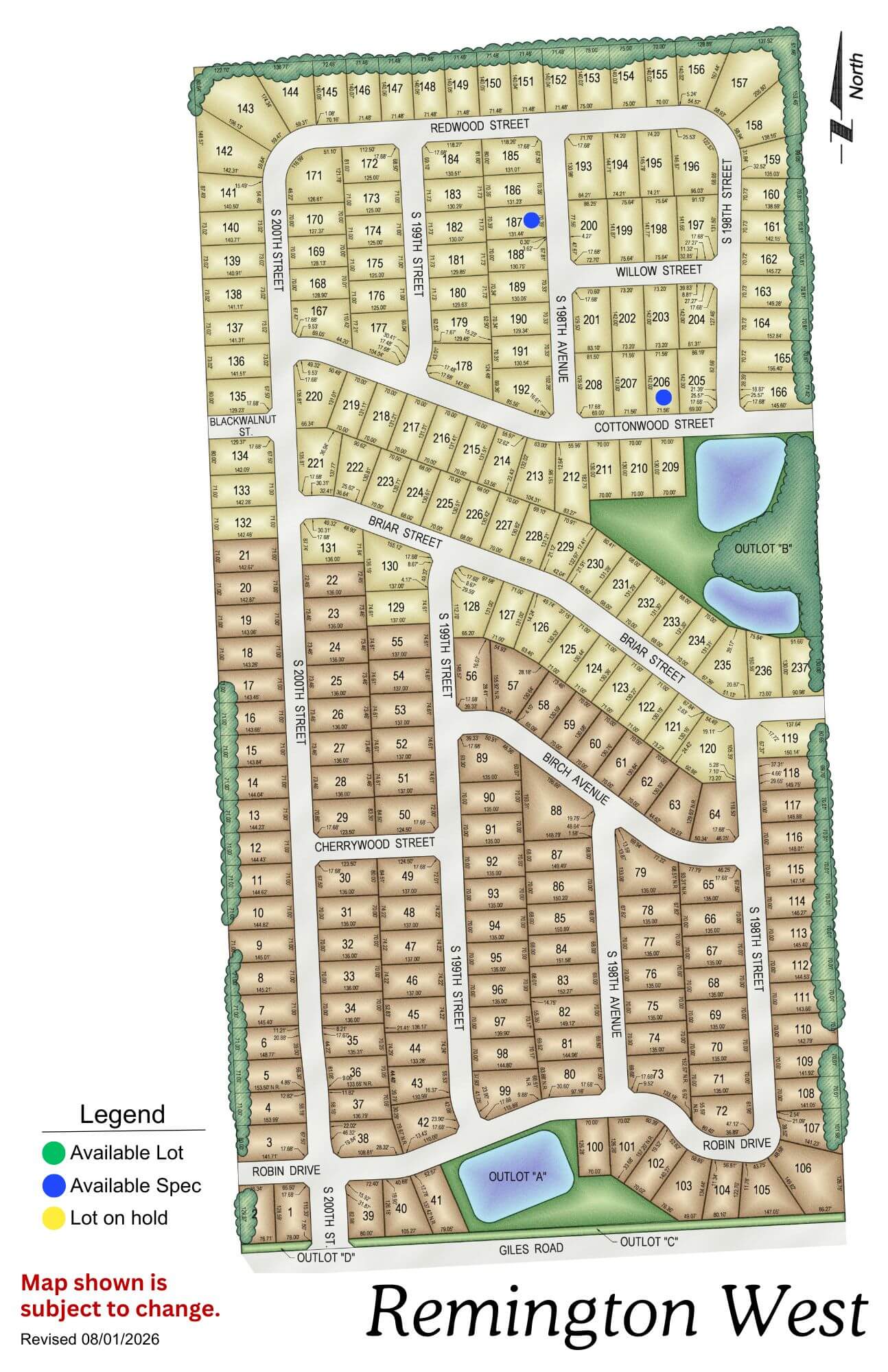
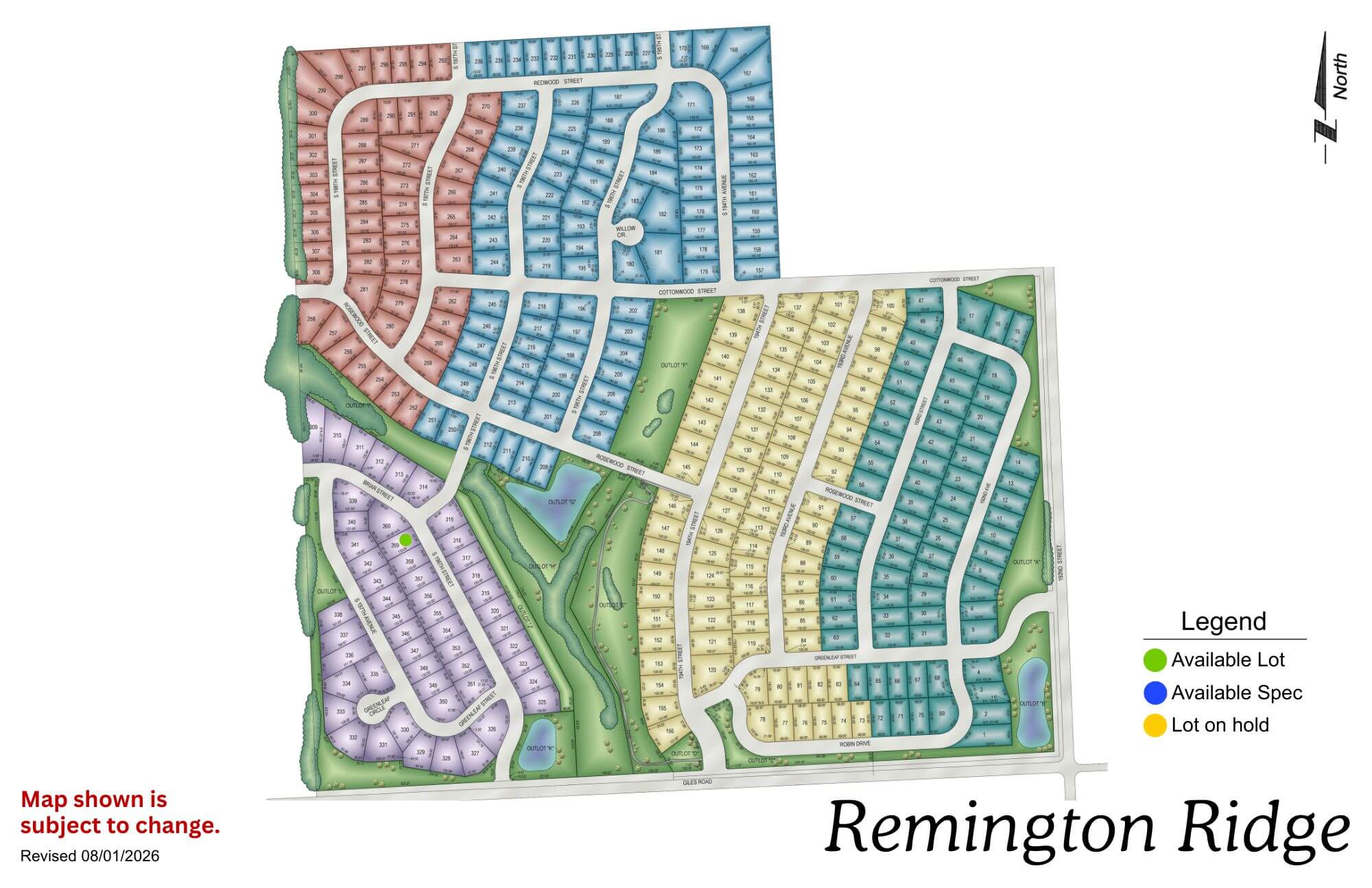
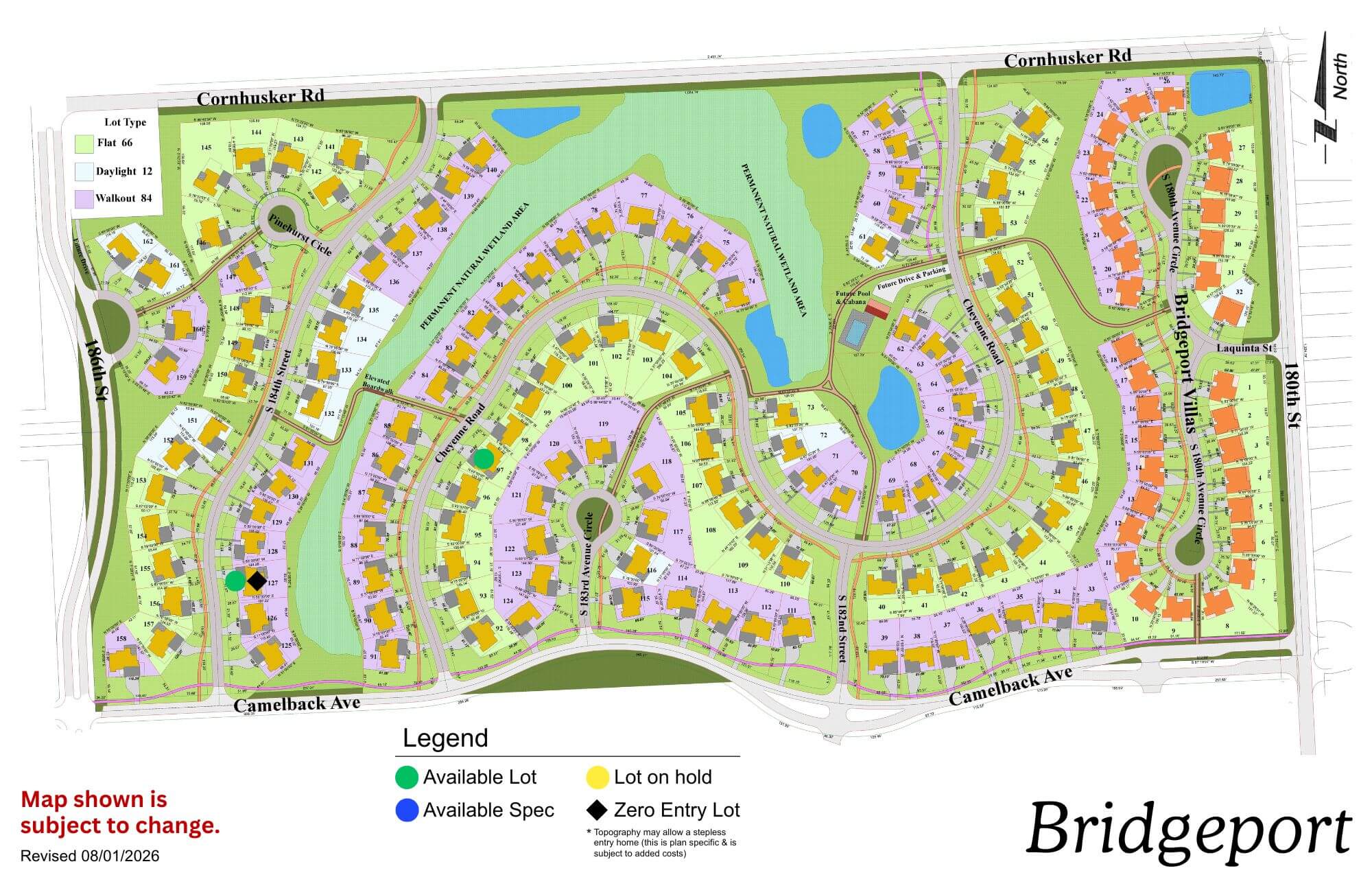
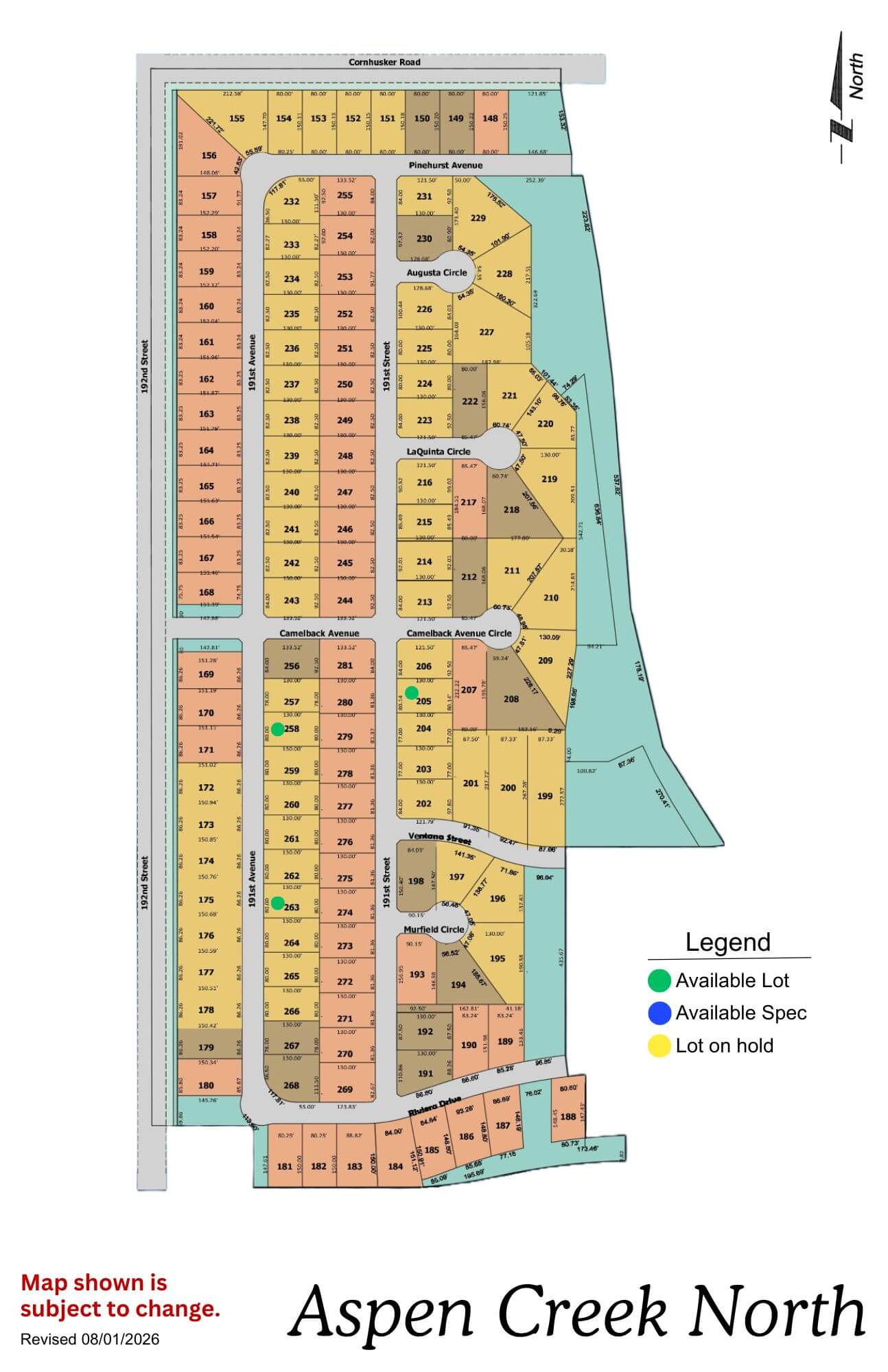
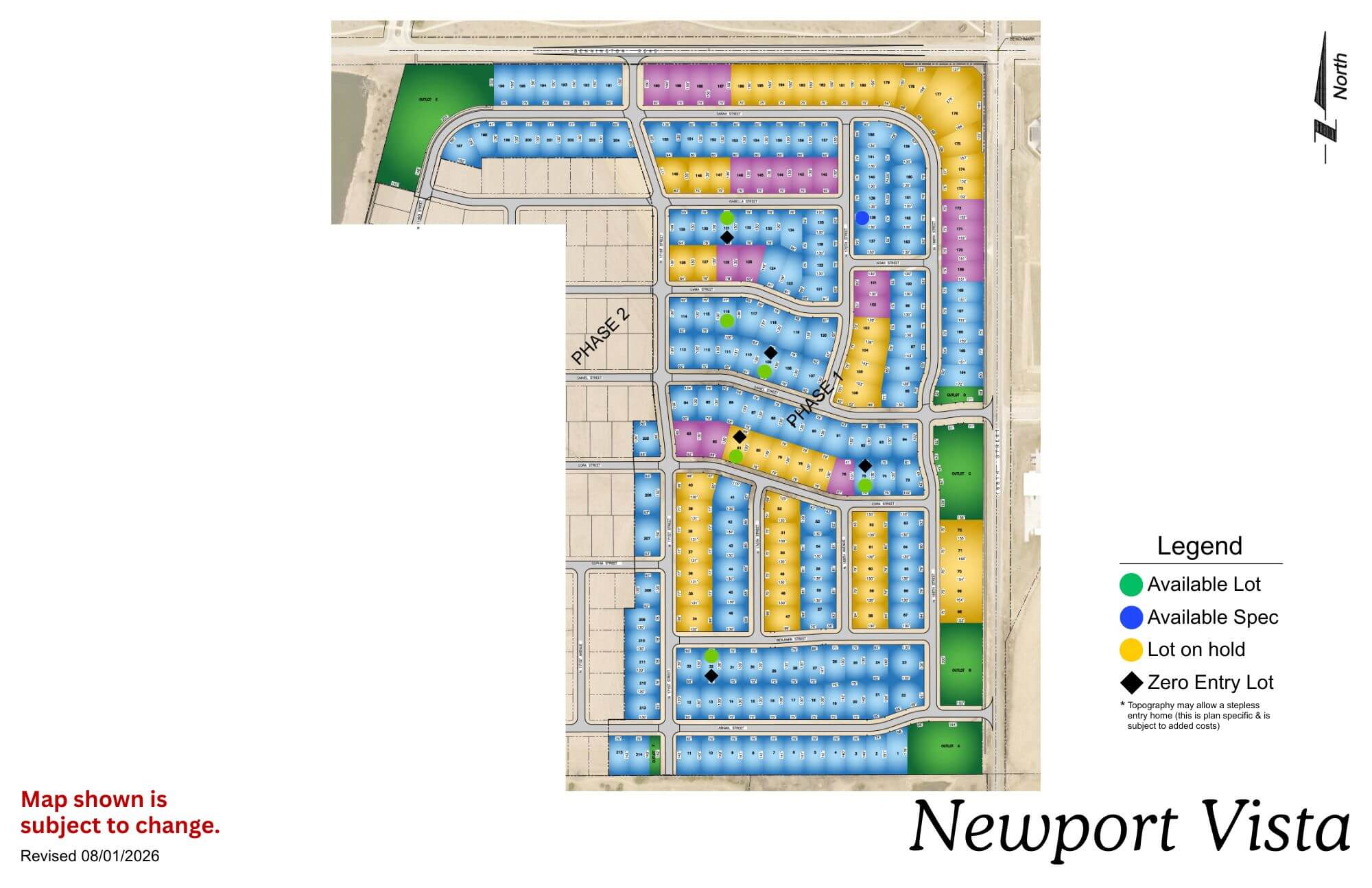
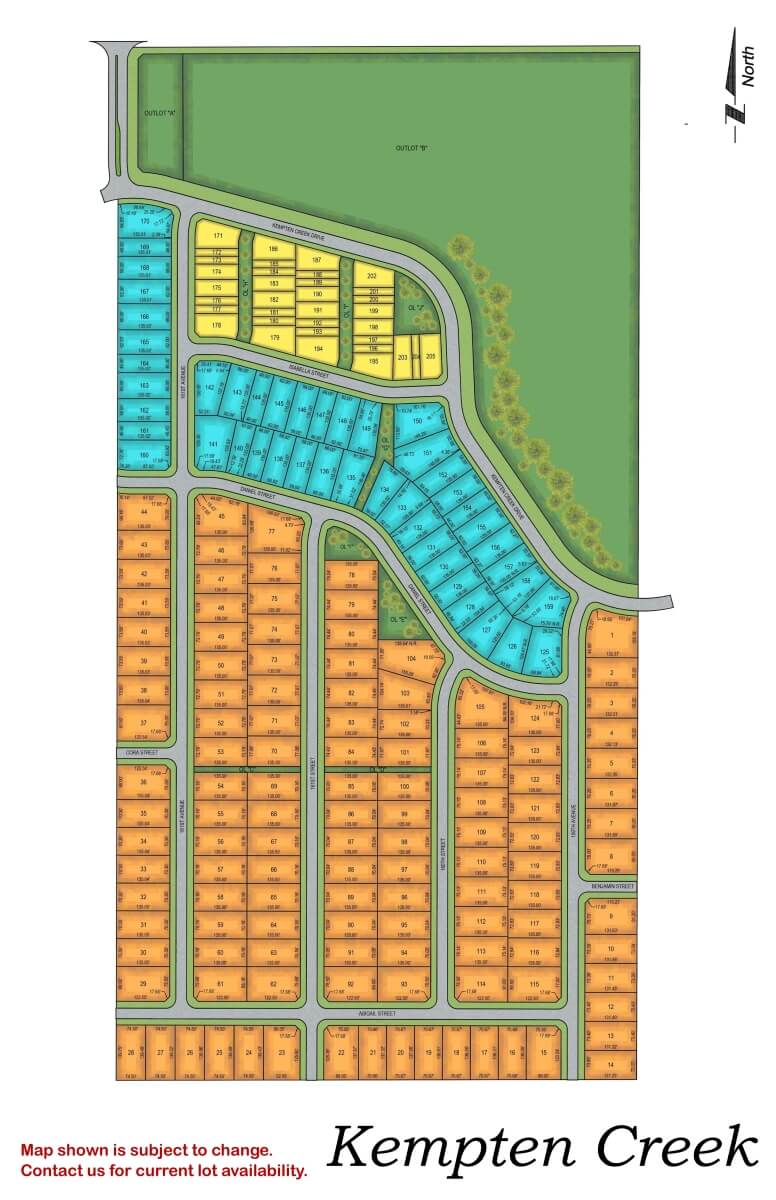
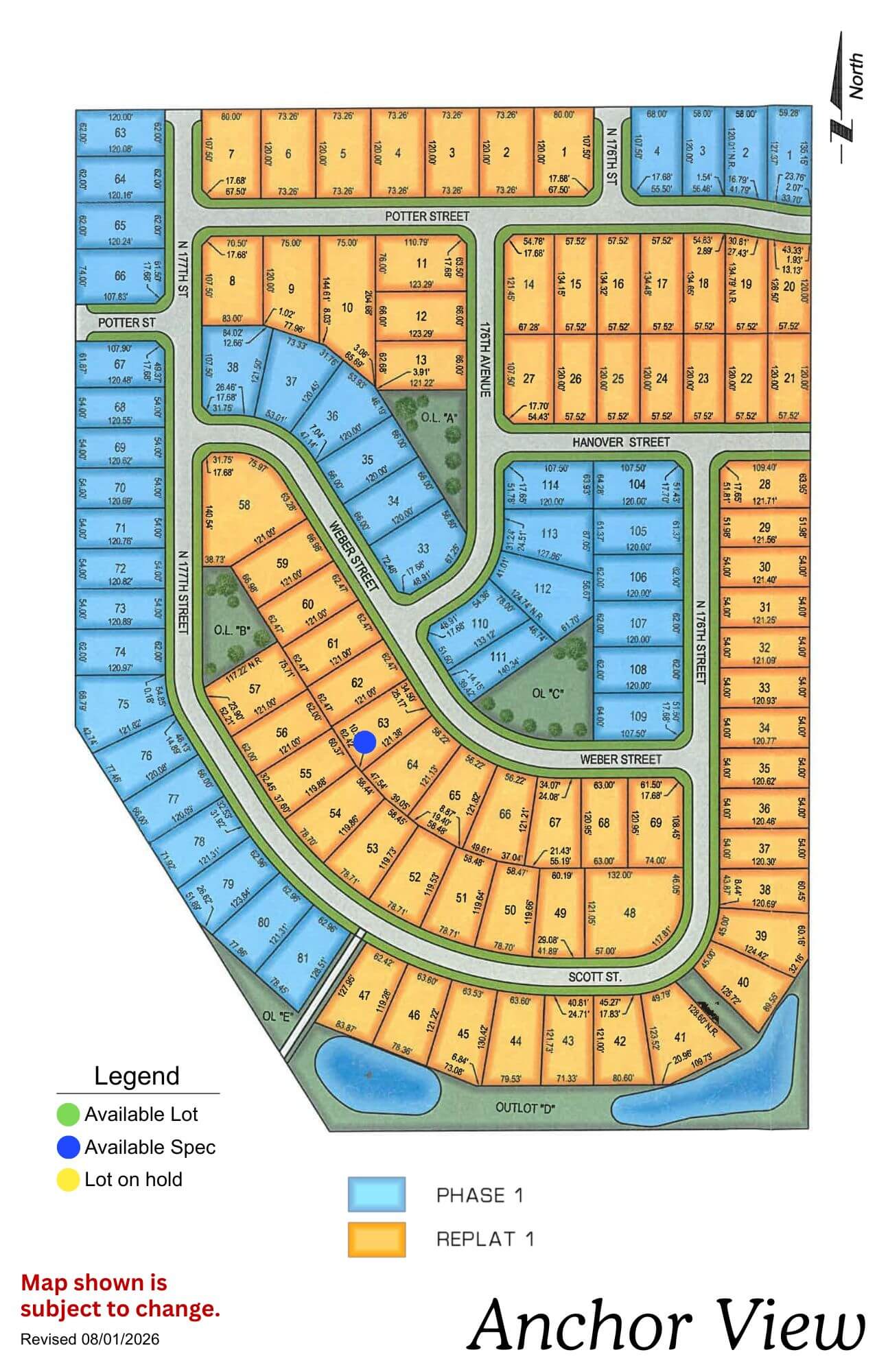
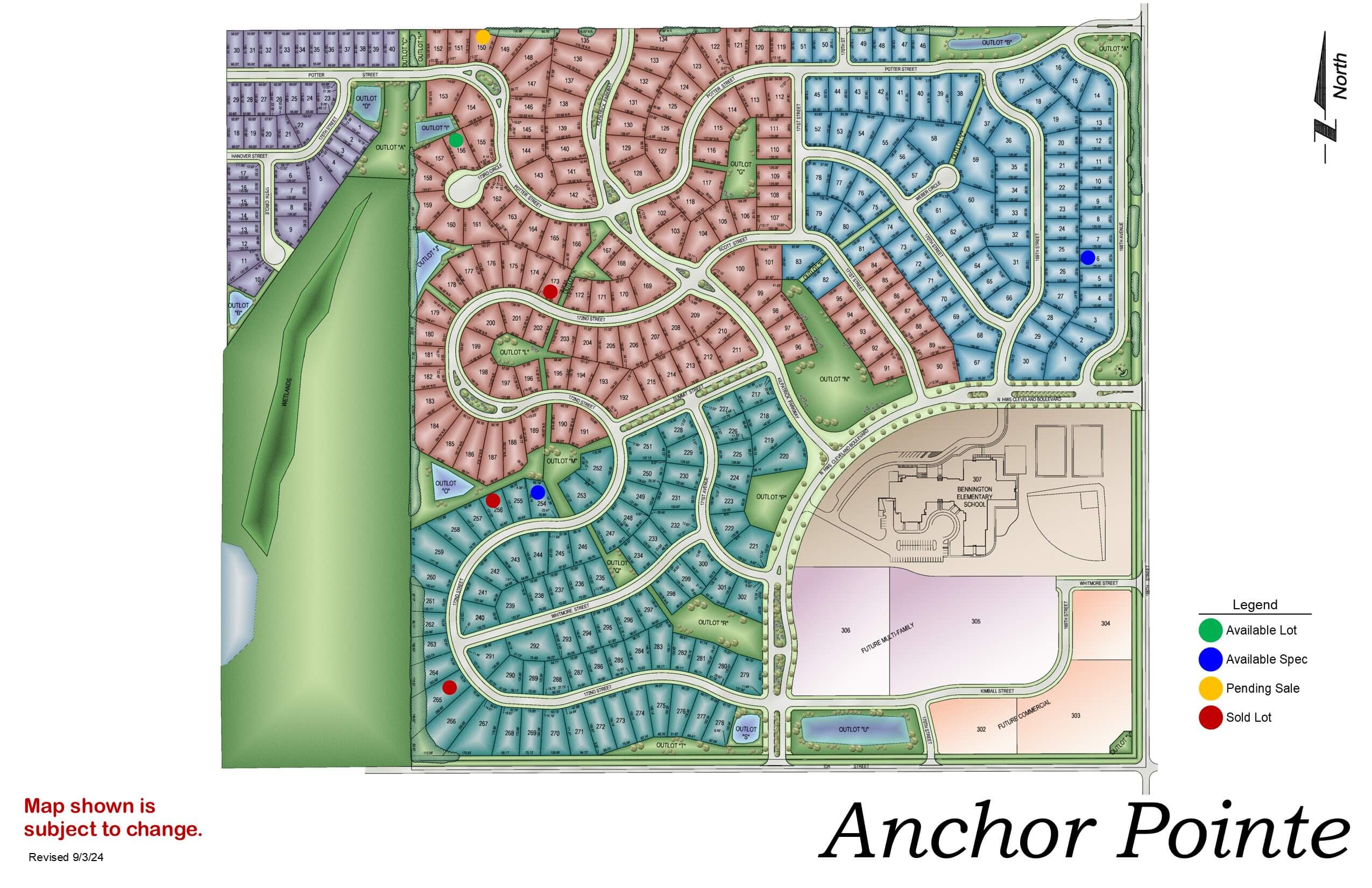
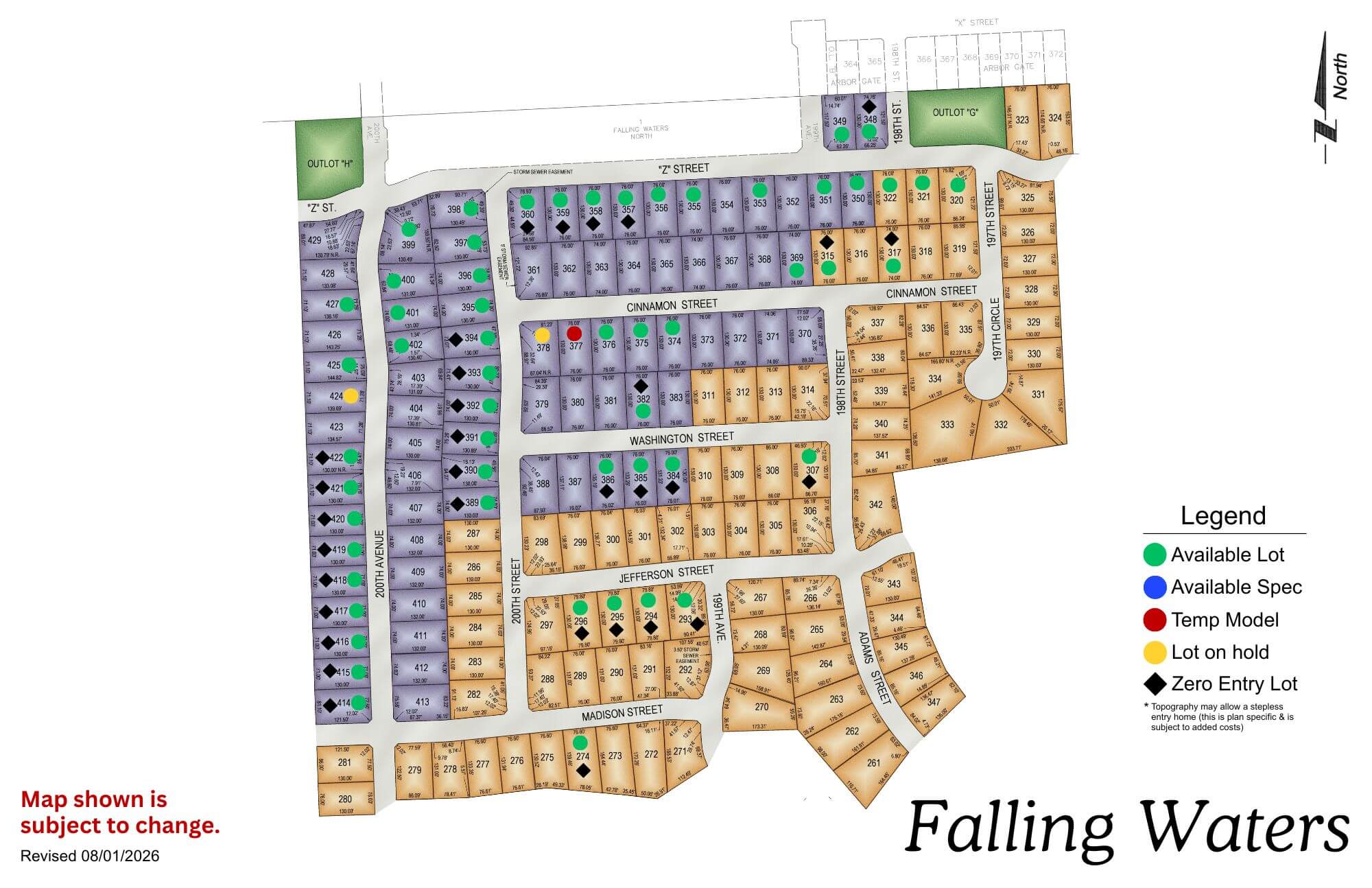
Ready to see which homesites are currently available? Some of our move-in ready homes sit on corner lots, others don’t. See Our Quick Move-In Homes →
What Are the Pros of a Corner Lot?
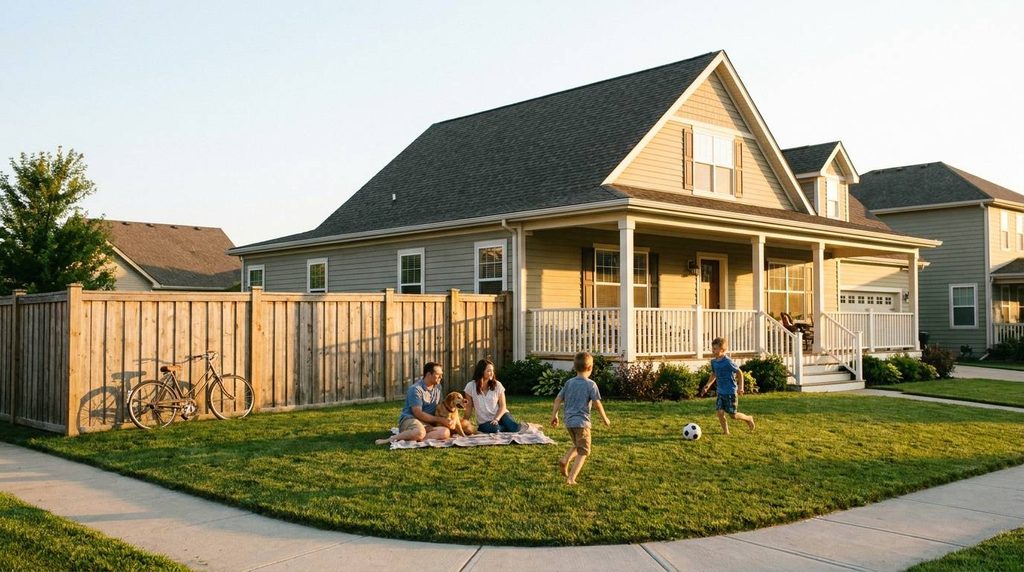
A corner lot typically offers more natural light, only one shared property line instead of two, added flexibility for the floor plan and driveway, and a stronger street presence. For many buyers, those upsides are worth the trade-offs that come with them.
More Natural Light and Fewer Attached Neighbors
With homes only on one side instead of sandwiched between two, corner lots let in light from more directions throughout the day. You’re also only sharing a property line with a single neighbor, not two.
Extra Space to Work With
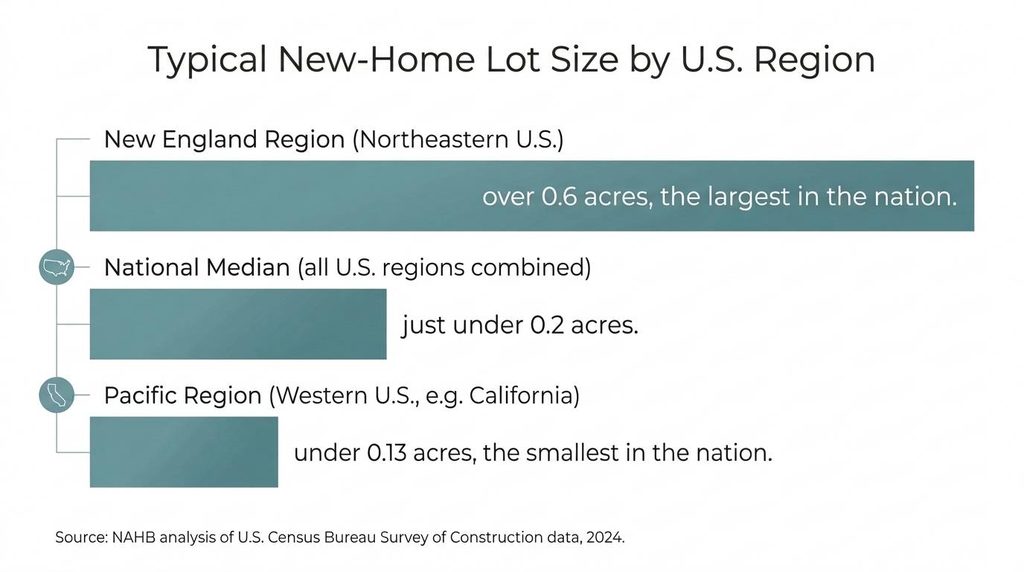
New homes keep landing on smaller footprints. Two out of three new single-family homes sold in 2024 sat on lots under 9,000 square feet, with a national median of 8,506 square feet, according to NAHB analysis of Census construction data.
Corner lots buck that trend. Since they’re required to be wider than standard lots in most jurisdictions, they routinely offer more usable yard than an equivalent interior lot in the same neighborhood.
More Flexibility in the Floor Plan
That extra frontage opens up options an interior lot can’t. A side-entry garage, a wraparound porch, or a home oriented to capture a specific view all become easier to design around.
A Stronger Street Presence
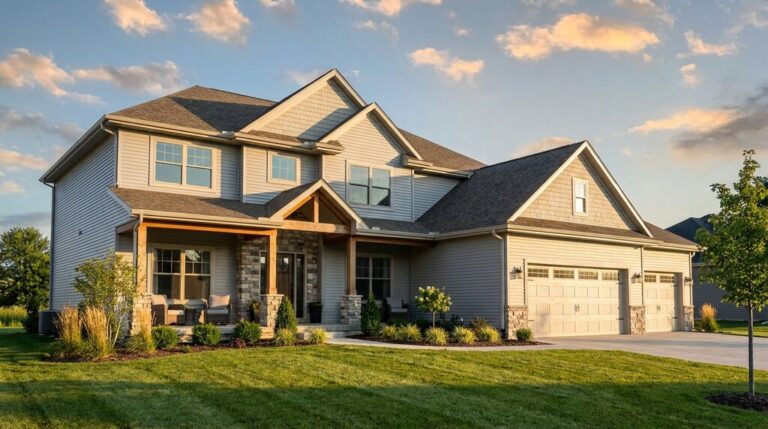
Two exposed sides mean more visibility, which reads as curb appeal to most buyers. It’s a big part of why corner homes tend to stand out in listing photos.
Curious how these floor plan possibilities actually look? See which plans work well with the extra frontage a corner lot provides. Browse Our Plan Collections →
What Are the Cons of a Corner Lot?
The trade-offs are more lawn and sidewalk to maintain, reduced privacy in the backyard, more exposure to street noise and headlights, and tighter rules around fences and structures near the second street. None of these rule out a corner lot on their own, but together they change day-to-day life on the property.
Twice the Yard and Sidewalk to Maintain
Two street frontages mean two stretches of sidewalk and a larger perimeter to mow, edge, and clear of snow. If your city requires homeowners to shovel public sidewalks, a corner lot roughly doubles that job compared to an interior lot.
Less Privacy in the Backyard
The same openness that lets in more light also means more people walking, driving, and passing by can see into your yard. A standard privacy fence helps, but corner lots often face height and placement limits an interior lot wouldn’t.
More Traffic Noise and Headlight Glare
Corner homes sit closer to moving traffic on two sides instead of one, and that includes nighttime headlights sweeping across windows as cars turn the corner. Homebuyers tend to prefer the opposite: nationally, 78% favor a cul-de-sac or other limited-traffic street design over a continuous, interconnected street, according to a NAHB consumer preference survey. A corner lot on a through street sits at the far end of that spectrum from a quiet cul-de-sac.
Stricter Fence and Setback Rules
Most municipalities require a clear “sight triangle” near street intersections, an area where fences, hedges, and structures can’t block a driver’s view. That usually means a shorter fence or a different setback on the street-facing side than what an interior lot allows.
How Does a Corner Lot Affect Privacy and Everyday Life?
The exposure that makes a corner lot feel open also makes it feel watched. Two visible sides mean more foot traffic passing close to your windows, more strangers walking dogs along your fence line, and less of the buffer an interior lot provides on the side without a neighbor.
Some of it is minor. A dog walker pausing at your corner, a car parking along the side street, a delivery driver cutting across your yard because it’s the shortest path.
Some of it matters more. Homes on corners are visible from two directions at once, which is exactly the kind of visibility some buyers want and others try to avoid.
What Tends to Surprise New Corner Lot Owners
- How much of the backyard is visible from the street, even with a fence up
- How often people or pets treat the side yard as a shortcut or a stopping point
- How different the side-yard depth can be depending on how the house sits on the lot
- How much closer a rear or side neighbor’s driveway can end up to a bedroom window than expected
None of these are dealbreakers. They’re just easier to plan around before you close than after.
What Rules Should You Expect on a Corner Lot?
Expect wider required setbacks on the street-facing side, a protected sight triangle near the intersection that limits fence height and landscaping, and in some neighborhoods, additional HOA architectural review for anything visible from either street. These rules exist to keep intersections safe and neighborhoods consistent, not to make life harder.
| Restriction | What It Limits | Why It Exists |
|---|---|---|
| Side street setback | How close a structure can sit to the secondary street | Keeps a consistent building line along both frontages |
| Sight triangle | Fence height and landscaping near the intersection | Preserves driver visibility at the corner |
| Corner lot fence height | Often shorter than a standard privacy fence on the street side | Prevents blind spots for turning traffic |
| HOA architectural review | Materials and design visible from either street | Maintains a consistent look on highly visible lots |
Every city and HOA writes these rules a little differently, so confirm the specifics for your exact lot before you plan a fence or addition.
Is a Corner Lot Good for Resale?
It depends entirely on the intersection. A corner lot on a quiet residential crossing tends to hold its curb appeal advantage at resale. A corner lot on a busy collector street competes against that same visibility working against it.
Buyers weighing a corner lot for resale value should treat traffic volume, not the corner itself, as the deciding factor.
What Questions Should You Ask Before Choosing a Corner Lot?
Ask about traffic volume on both streets, the specific fence and setback rules for that lot, and how the side yard is actually configured before you commit. These answers matter more to daily life than square footage alone.
| Question | Why It Matters |
|---|---|
| Is either street a through street or a quiet residential road? | Traffic volume affects noise, safety, and resale far more than lot size |
| What is the required side-street setback and fence height? | Determines how much of the yard you can actually enclose |
| Does the HOA require architectural review for corner lots specifically? | Some communities hold corner homes to a higher exterior standard |
| How deep is the backyard relative to the side yard? | Lot orientation can make the backyard smaller than it looks on paper |
| Is there a bus stop, crosswalk, or stop sign at the corner? | Affects both foot traffic near your property and daily noise |
Most of this information is available from the builder or the municipal planning department well before you sign anything.
What Should You Look For When Comparing Corner Lots to Interior Lots?
Compare the two the same way you’d compare any two homesites: traffic exposure, privacy, yard usability, and how the floor plan fits the shape of the lot. A corner lot isn’t automatically better or worse than an interior lot, it’s a different set of trade-offs that suits some buyers more than others.
If lot type is one of several decisions you’re weighing alongside home style, it helps to see how those choices connect.
Weighing a single-family corner lot against other housing types? This breaks down how the two compare across space, privacy, and long-term flexibility. Single-Family Homes vs. Townhouses →
Frequently Asked Questions About Corner Lot Pros and Cons
Is a Corner Lot House Good or Bad to Buy?
Neither, on its own. A corner lot house is a good fit for buyers who value natural light, extra yard space, and fewer attached neighbors, and a tougher fit for buyers who prioritize backyard privacy and quiet. The specific intersection matters more than the lot type itself.
Do Corner Lots Usually Have Smaller Backyards?
Sometimes, depending on how the home sits on the lot. Because part of the extra frontage goes toward the side yard facing the second street, the backyard itself can end up smaller than a same-sized interior lot even though the total lot size is larger. Ask to see the actual yard dimensions, not just the total square footage.
Can I Put Up a Privacy Fence on a Corner Lot?
Usually, but with limits. Most municipalities allow a standard-height fence in the rear yard while restricting height and placement near the street-facing side and the intersection sight triangle. Check your specific setback rules before planning your fence layout.
Are Corner Lots Noisier Than Interior Lots?
Often, yes, since they border two streets instead of one. The amount of noise depends heavily on whether either street carries through traffic or stays primarily residential, so it’s worth observing the lot at a few different times of day.
Does Regency Homes Offer Corner Lots in Its Communities?
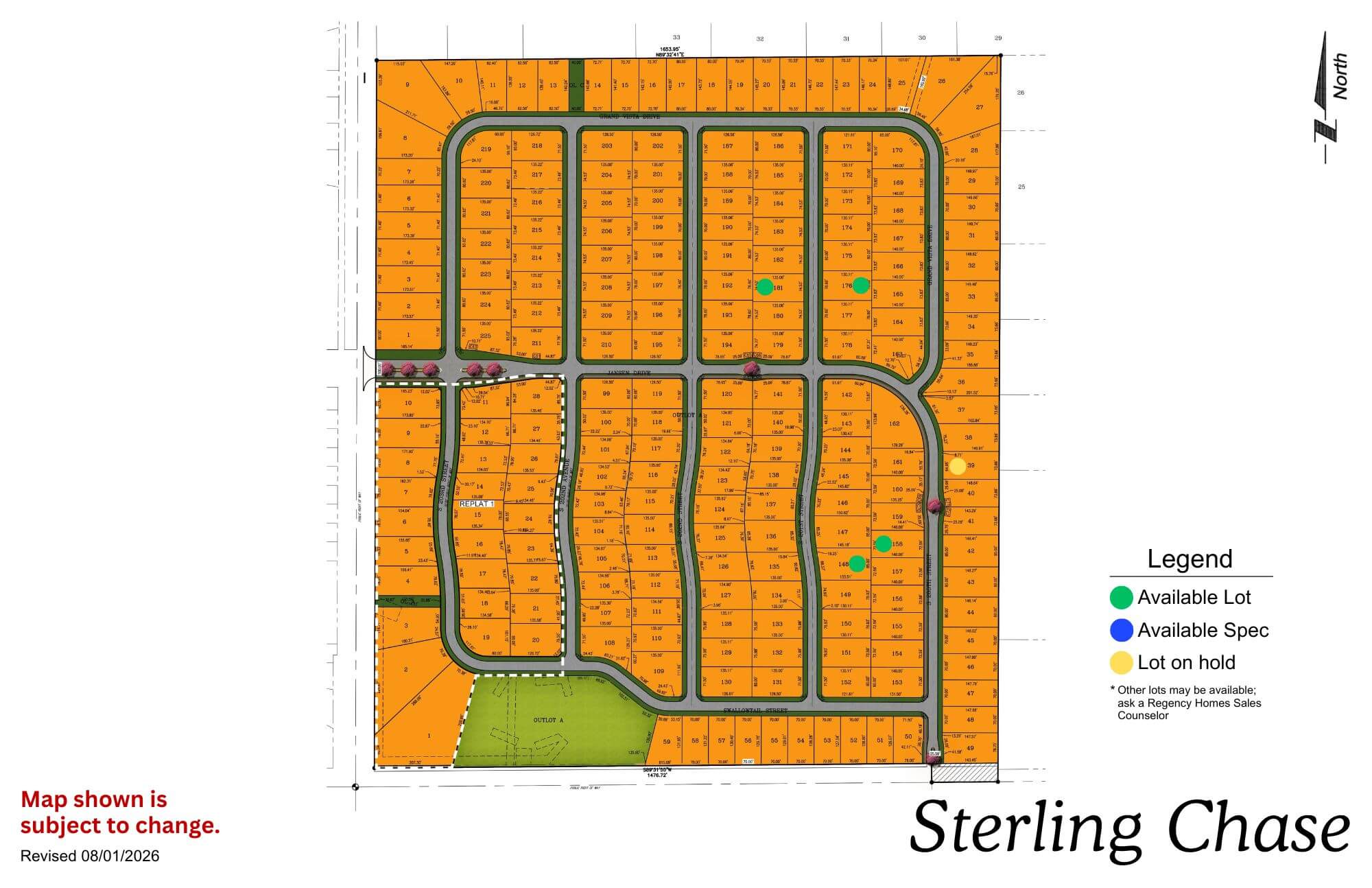
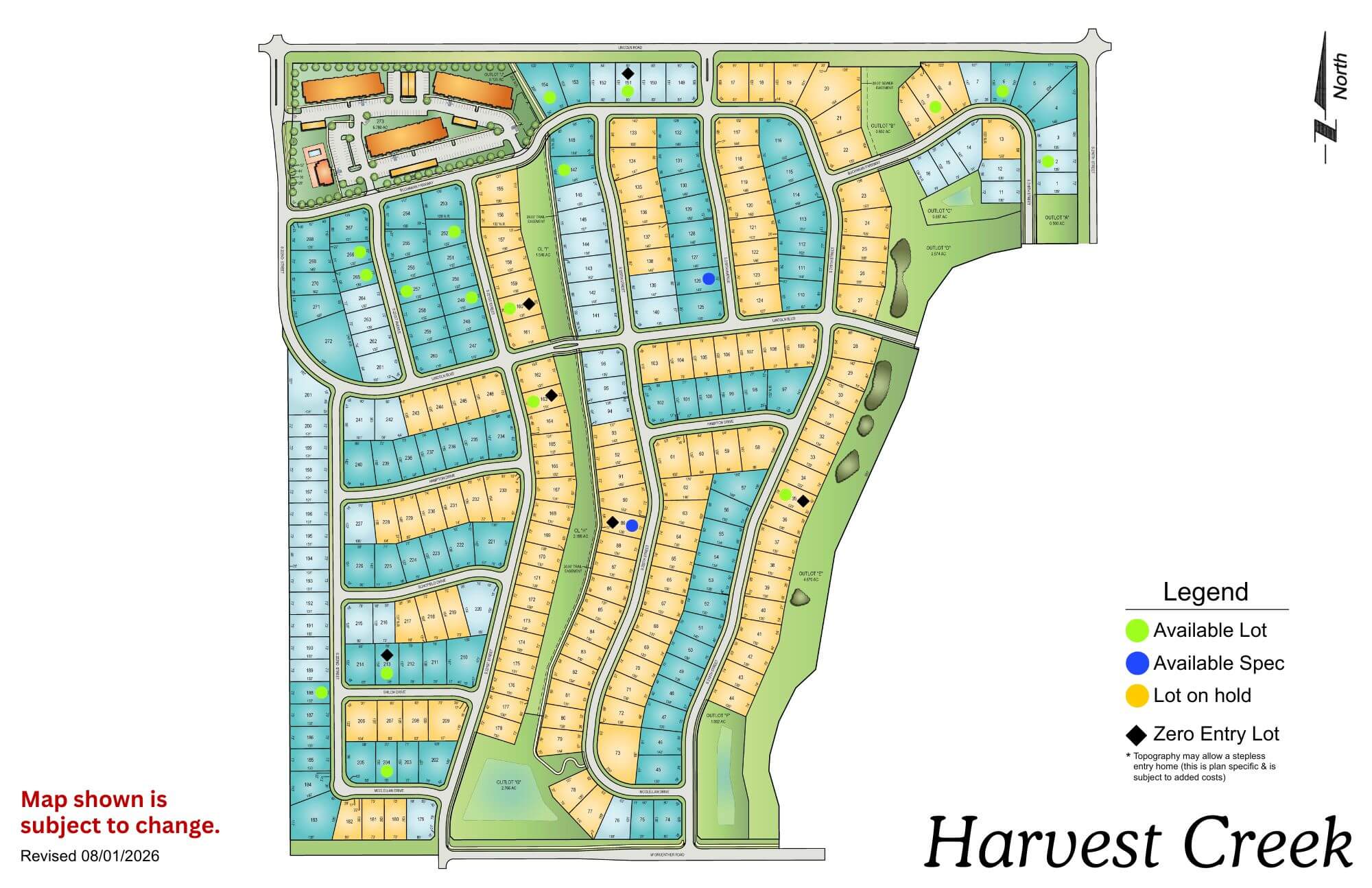
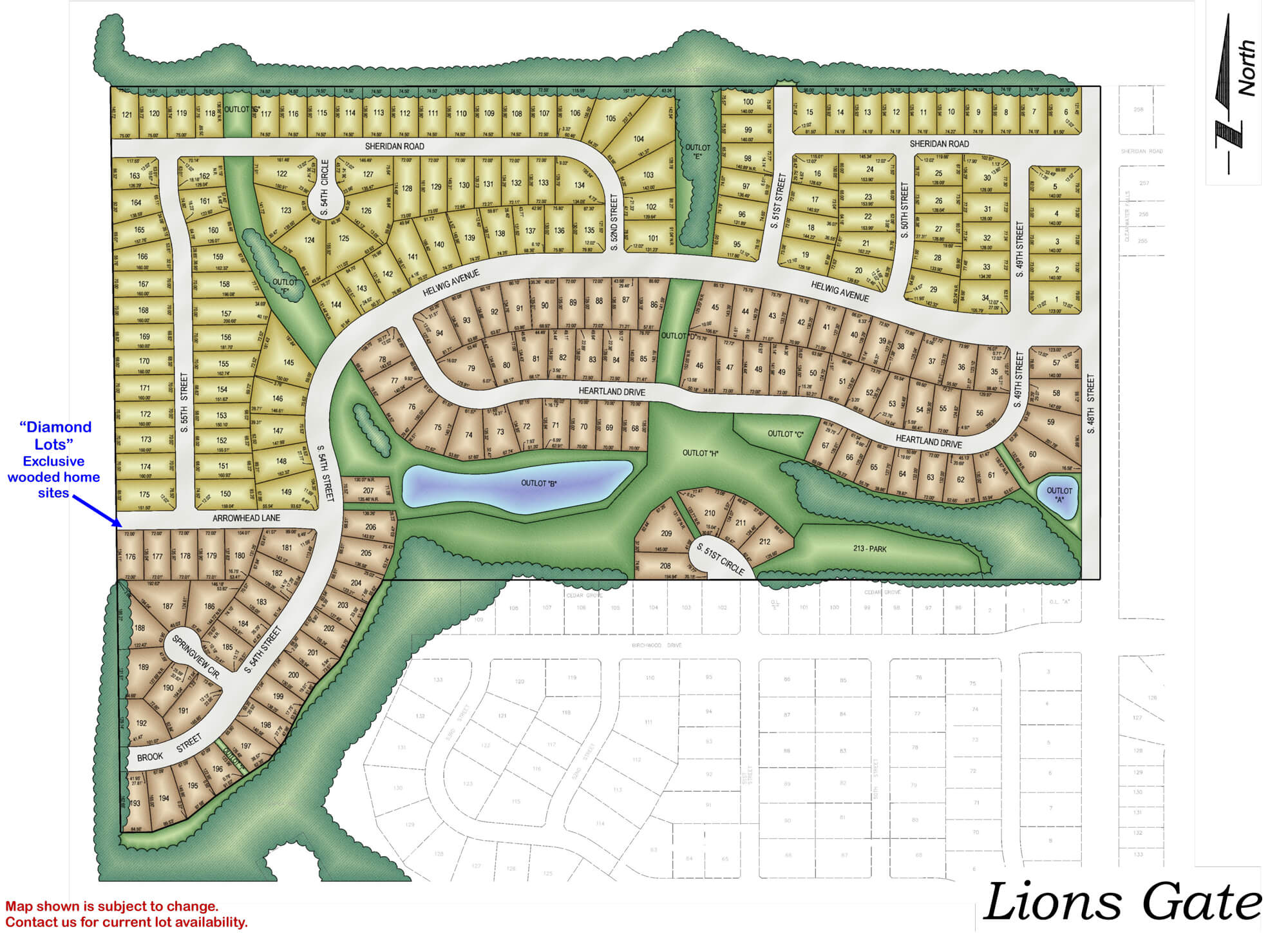
Yes. Regency Homes offers both corner and interior homesites across its Omaha metro communities. Our team can walk you through which specific lots are available and what each one’s setback and fence rules look like before you decide.
Your Homesite Should Fit How You Actually Live
A corner lot isn’t an upgrade or a downgrade. It’s a different kind of lot with a different kind of daily life attached to it, and the right choice depends entirely on what you value most.
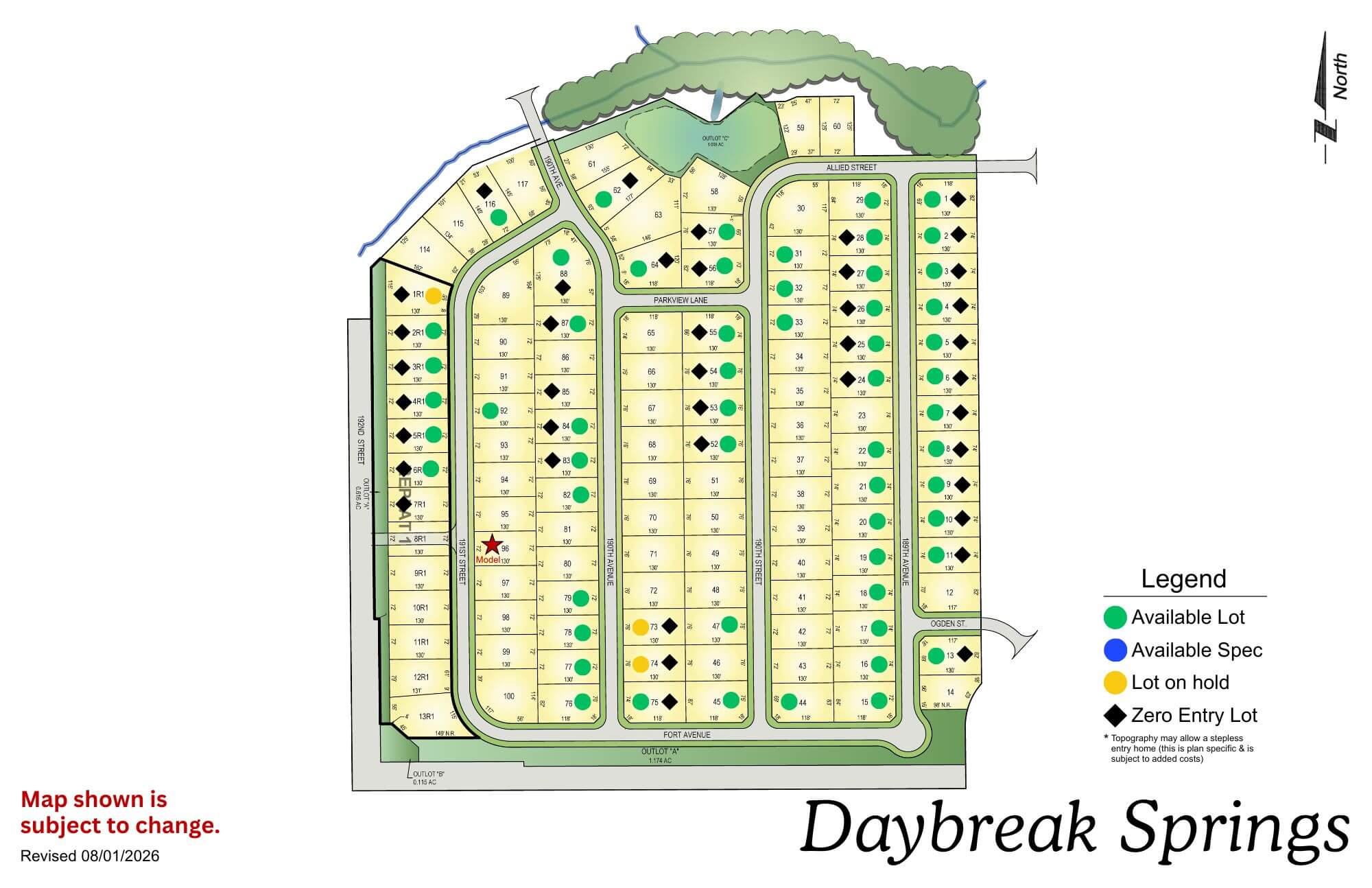
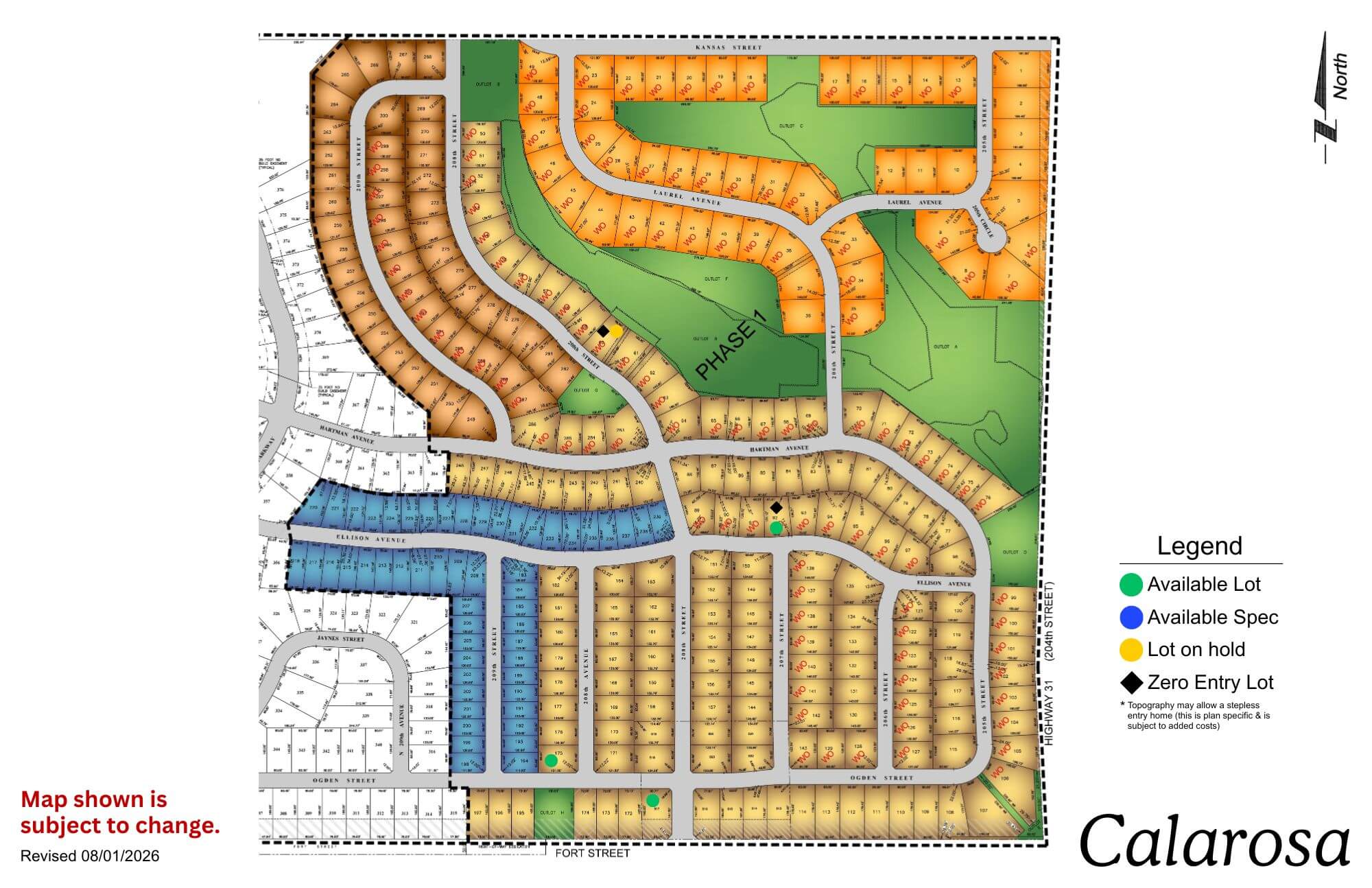
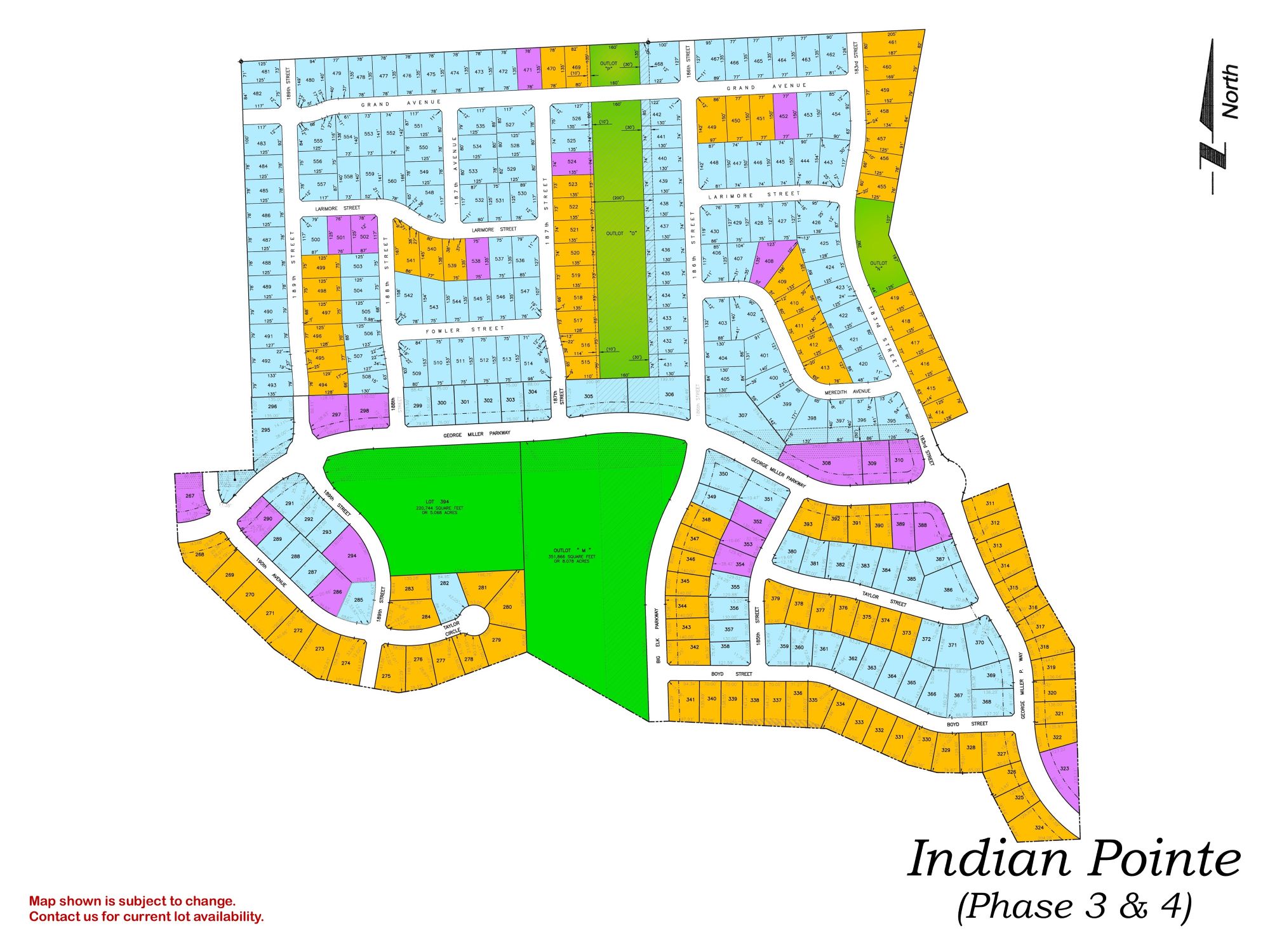
Regency Homes has been helping Omaha metro buyers weigh exactly this kind of decision for decades, and we were voted Best of Omaha 2026 for the kind of guidance that goes beyond the listing sheet. We’d rather walk the actual lot with you than let you guess from a plat map.
Call us at (402) 256-5727 or contact our team to talk through which homesites, corner or interior, fit what you’re looking for.