


What you need to know now about how to choose a home builder:
- Verifying a license, insurance, and Better Business Bureau standing takes fifteen minutes and rules out a large share of bad options before you ever sit down at a sales desk.
- A finished model home tells you almost nothing. An active job site tells you everything about how a builder actually works.
- Vague reference questions get vague answers. The homeowners who will tell you the truth are the ones you ask specific questions.
- A builder’s subcontractor relationships often say more about consistency and quality than years in business ever will.
Keep reading and you will know exactly how to separate a builder worth trusting from one who just sounds good on the phone.
What Actually Separates a Trustworthy Builder From a Risky One?
A trustworthy builder can prove their licensing, insurance, and track record with documents, not promises, and will let you see their work in progress without hesitation. A risky builder relies on a good sales pitch, gets vague when asked for verification, and steers you toward finished models instead of active sites.
Why Vetting Matters More Than a Sales Pitch
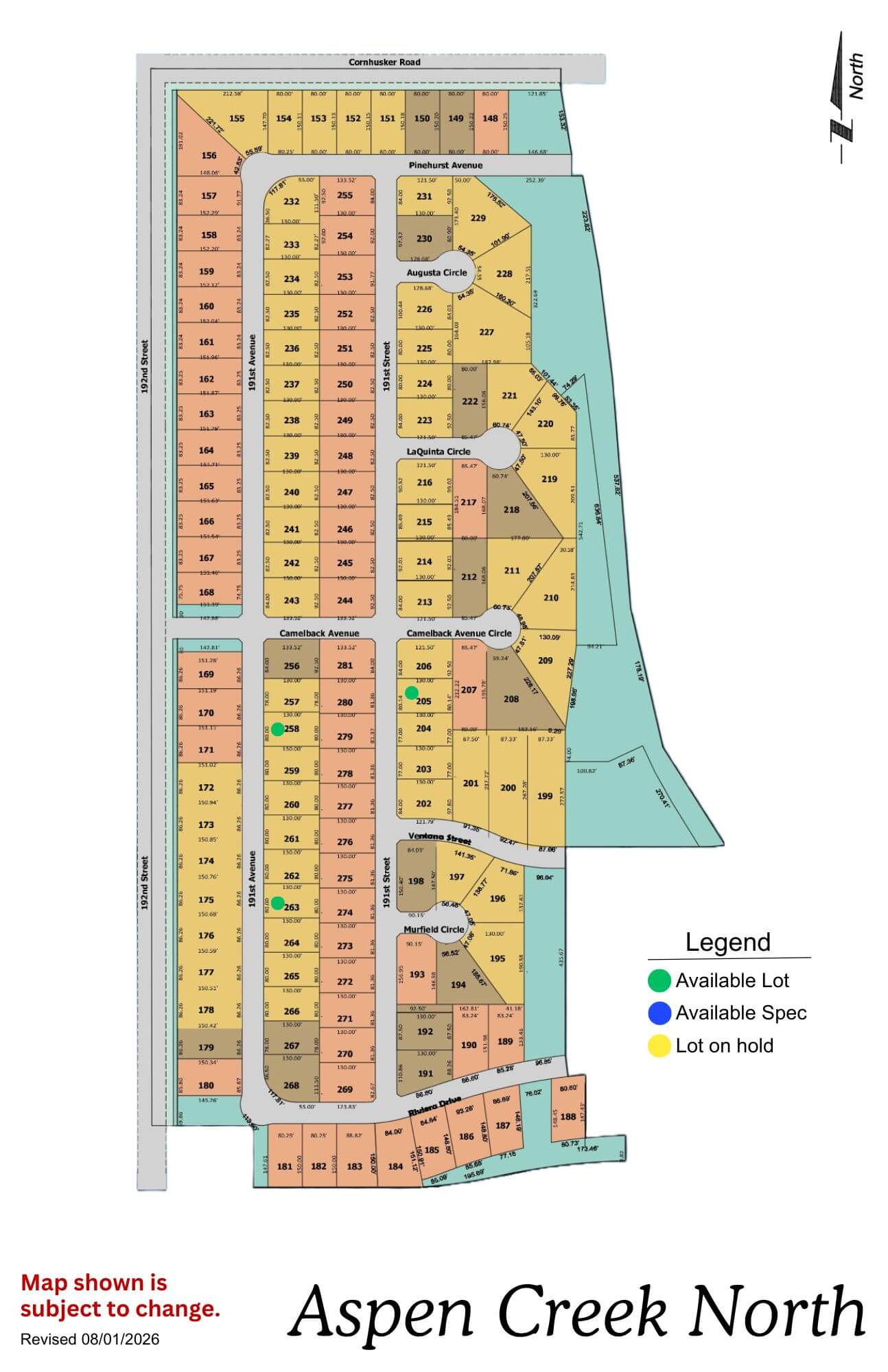
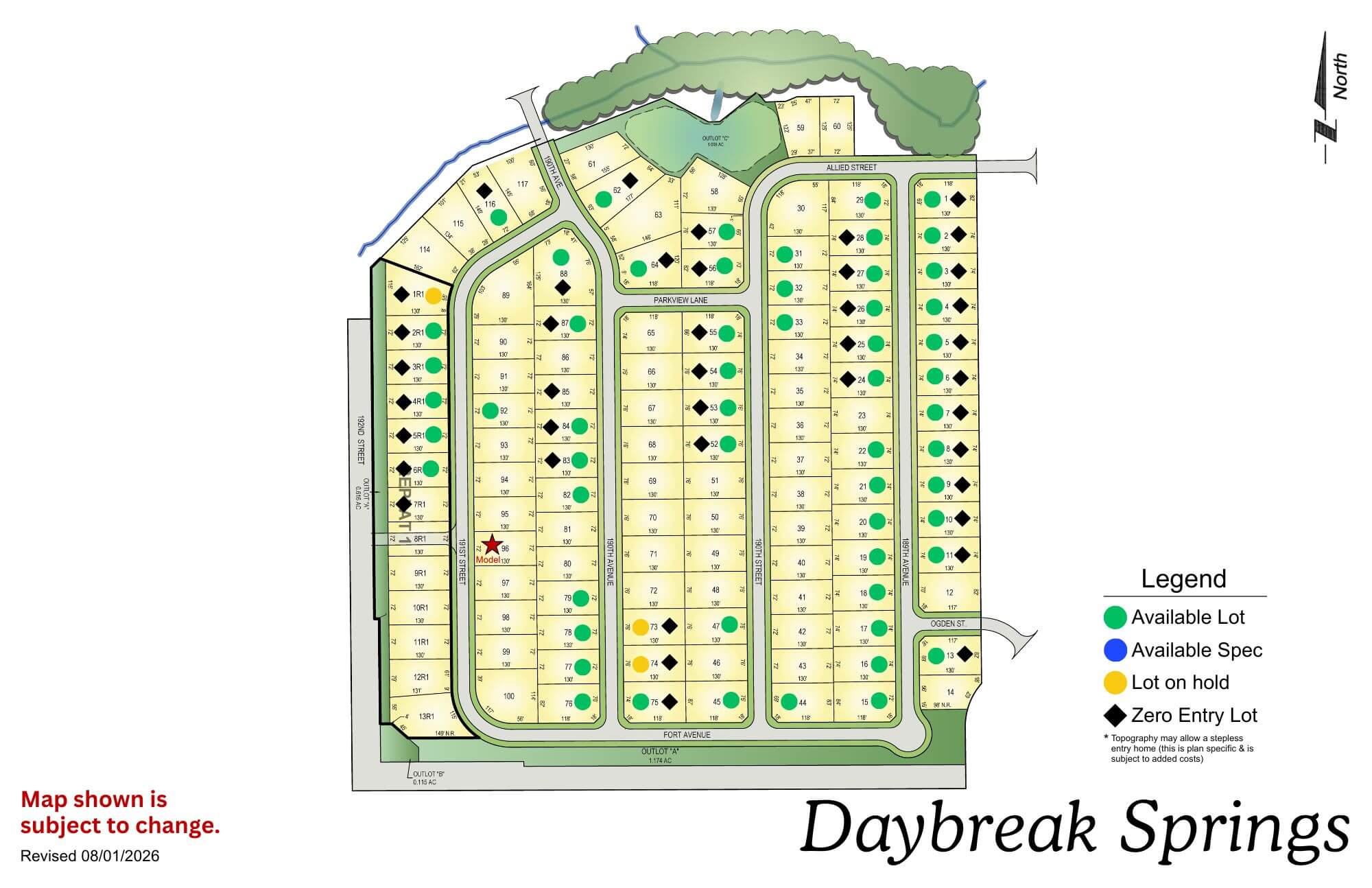
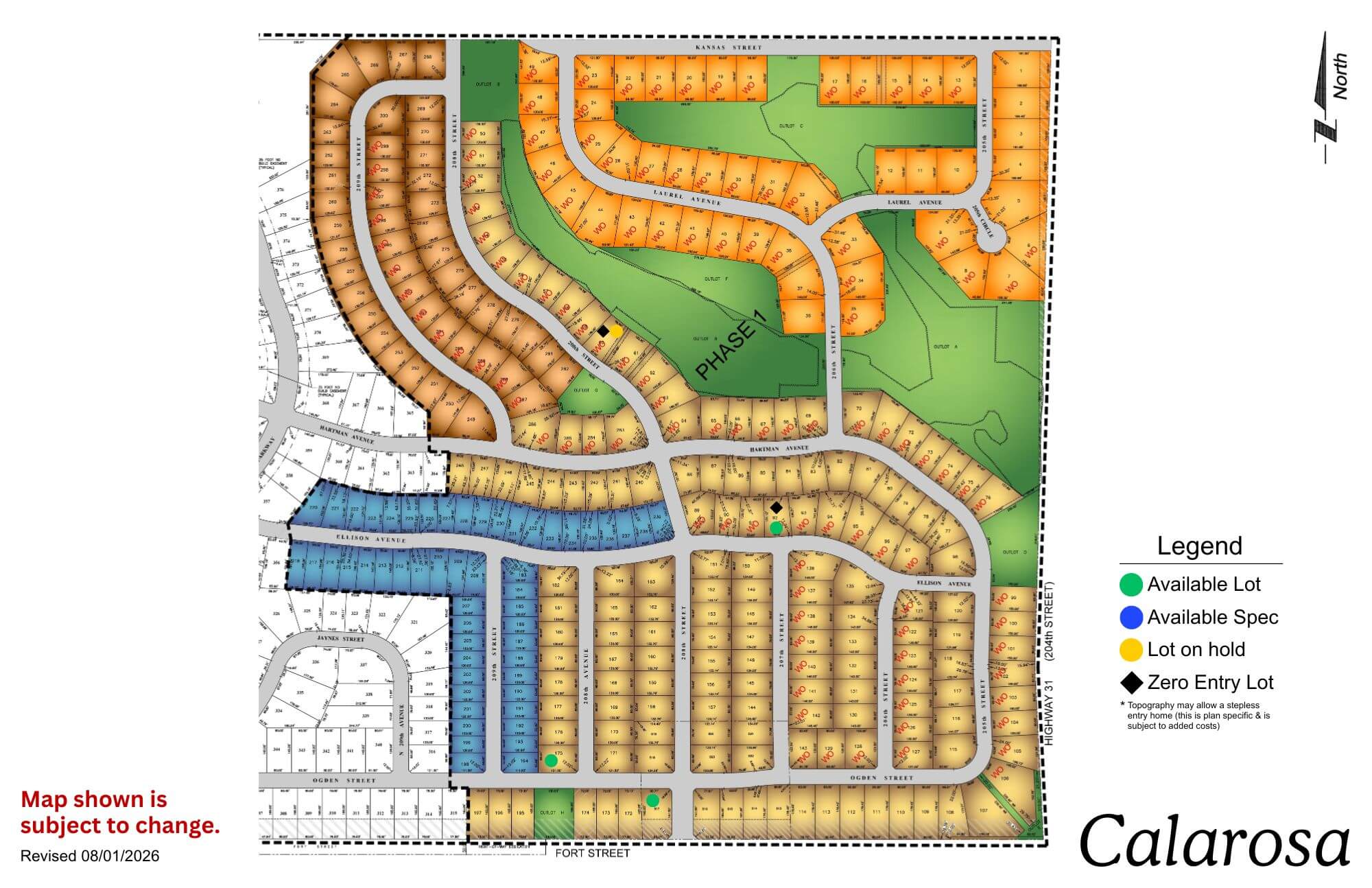
Anyone can sound confident across a desk. What separates a builder worth hiring from one worth avoiding shows up in details a sales conversation never reaches: how their crews treat an active job site in one of their active communities, how former clients describe the rough patches, and how a builder handles the moment something does not go as planned.
That is exactly where most buyers stop looking. They tour a model, like the finishes, and sign. The vetting below takes an afternoon and prevents a mistake that follows you for years.
How Do You Verify a Builder’s License and Insurance?
Verifying a builder’s license and insurance means confirming their credentials directly with your state contractor licensing board rather than taking their word for it, and requesting proof of general liability and workers’ compensation coverage before any contract discussion begins. This single step eliminates a meaningful share of unqualified builders immediately.
Check the State Contractor Board Directly
Every state licensing board maintains a public lookup tool. Search the builder’s name or license number and confirm the license is active, matches the business name on your contract, and has no disciplinary history attached to it.
Ask for Proof of Insurance, Not a Verbal Assurance
Requesting documentation directly from an insurance carrier protects you against site damage and workplace injuries. A verbal promise leaves you financially exposed if something goes wrong before closing.
- General liability insurance protects you if something is damaged on your property during construction.
- Workers’ compensation coverage protects you from liability if a worker is injured on your job site.
- Ask for a certificate of insurance directly from the carrier, not a photocopy the builder hands you.
Check Their Standing With the Better Business Bureau
A pattern of unresolved complaints is a stronger signal than a single bad review. According to NAHB, checking a builder’s Better Business Bureau rating and complaint history is one of the most reliable early screening steps a buyer can take, alongside confirming they carry sufficient liability and workers’ compensation coverage.
What Should You Look For When Touring an Active Job Site?
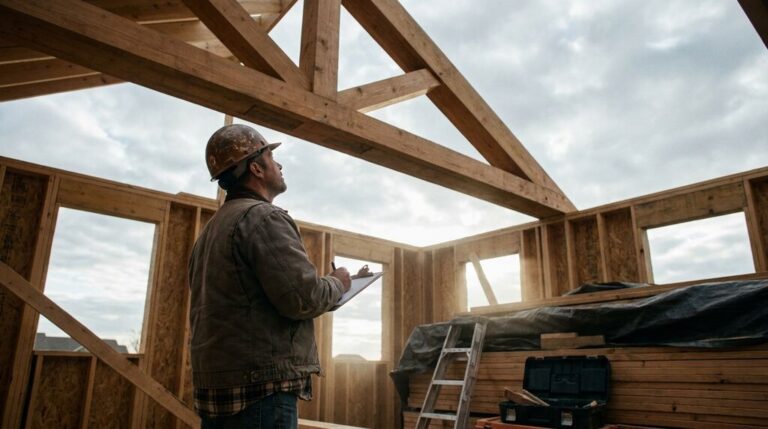
Touring an active job site means paying attention to organization, safety, and how materials are staged and protected, since those details predict the quality of the finished home far better than a staged model ever could. A clean, orderly site usually reflects a builder who runs a disciplined operation.
Signs of a Well-Run Site
A well-run site shows order, proactive material protection, and clear safety habits at every stage. Those daily habits reveal how much discipline a builder enforces when no buyer is watching.
- Materials stored off the ground and covered. Lumber and drywall left exposed to weather can warp or absorb moisture before installation.
- Clear walkways and organized tool storage. A cluttered site slows every trade that comes through after the last one.
- Visible safety measures. Hard hats, marked hazards, and secured openings signal a crew that takes the job seriously.
- Consistent crews across visits. If you tour the same site twice, the same trade partners should generally be the ones working it.
What a Messy Site Actually Tells You
A disorganized site is more than an eyesore. It usually means subcontractors are not well coordinated, which shows up later as scheduling delays, rework, and inconsistent finish quality once drywall goes up and covers the evidence.
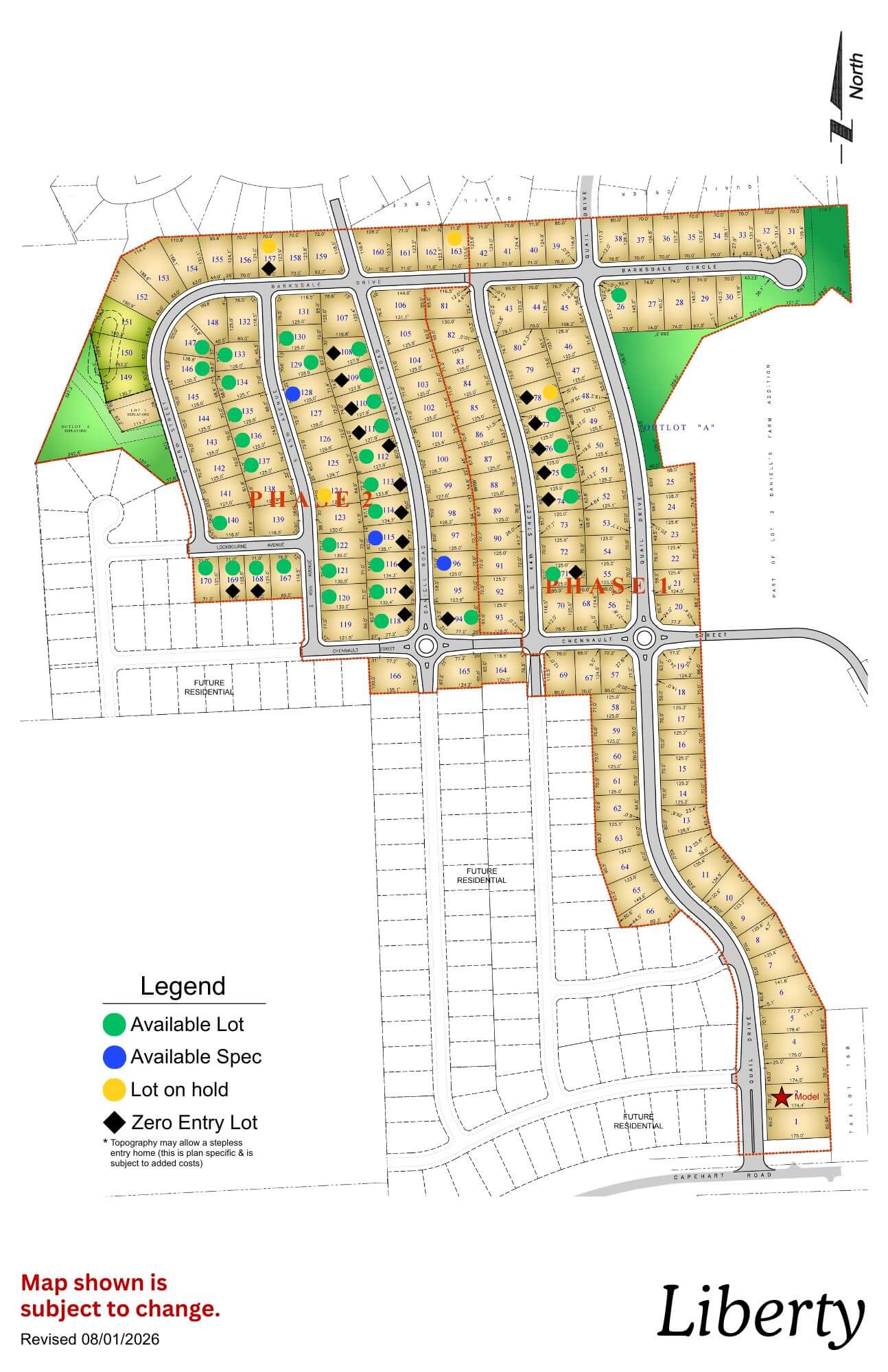
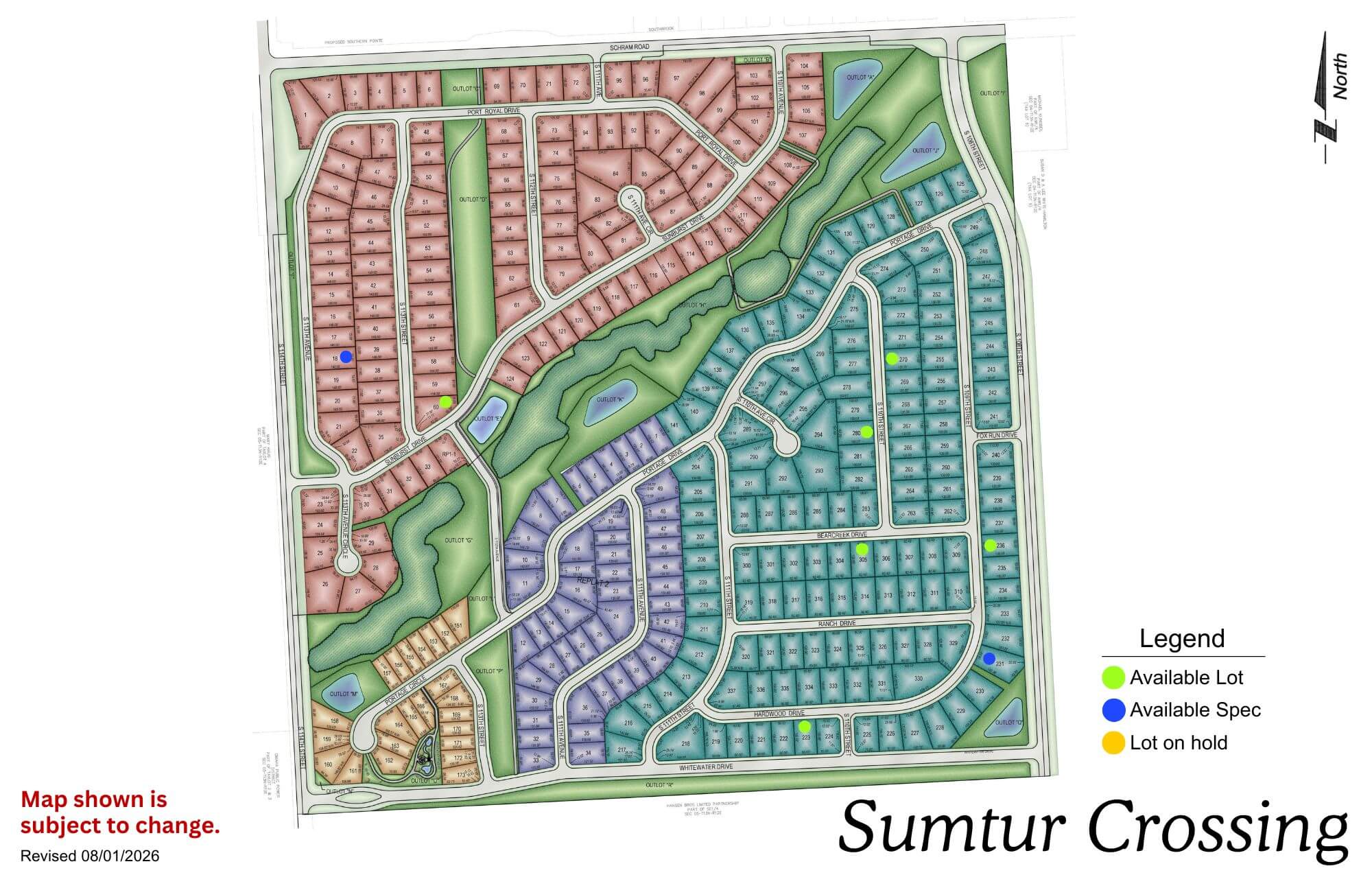
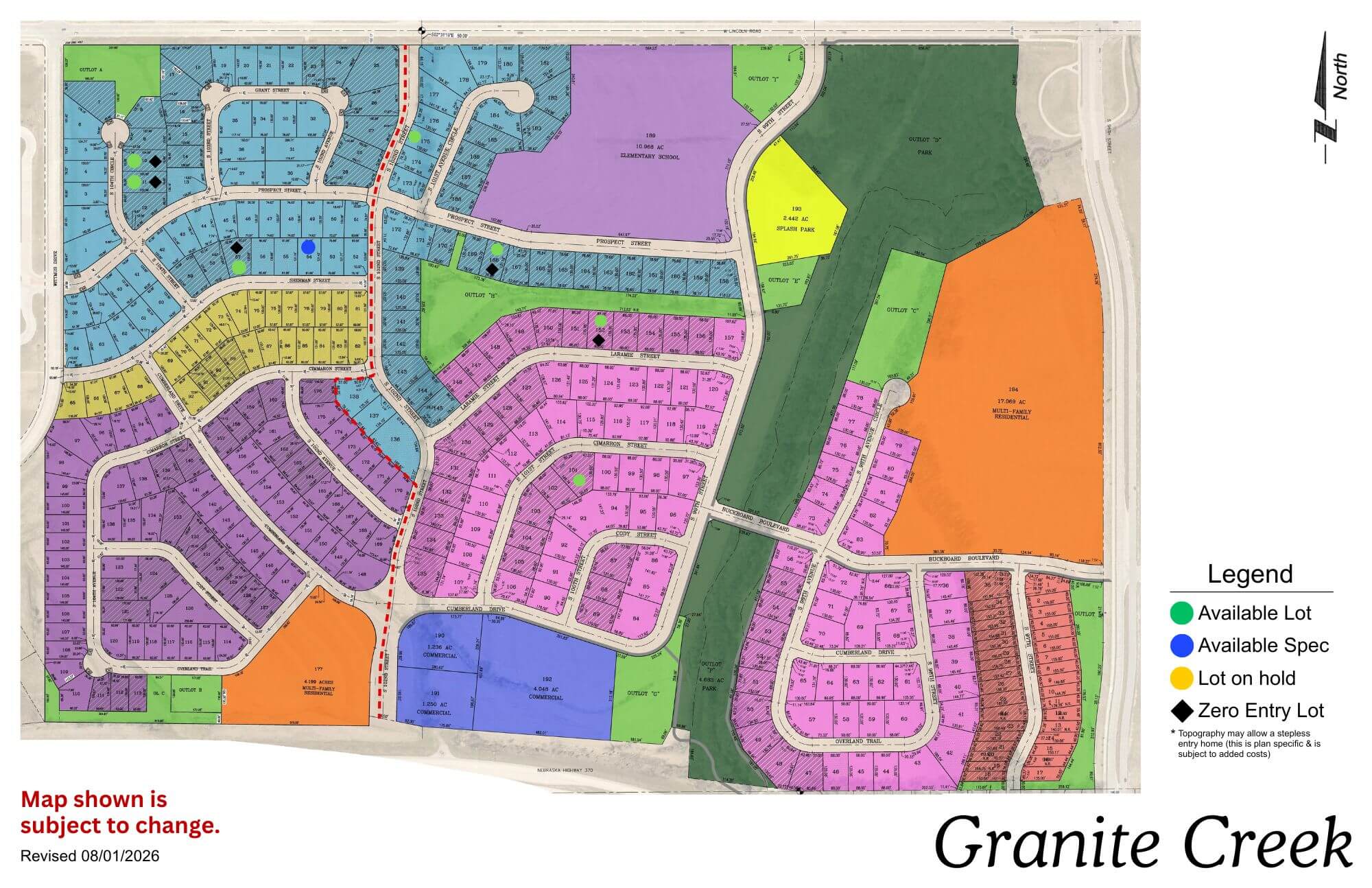
Want to see how that quality shows up once a home is finished? Comparing an active job site against completed inventory makes the difference in craftsmanship easy to spot. See Available Homes →
How Do You Get Honest References Instead of Cherry-Picked Ones?
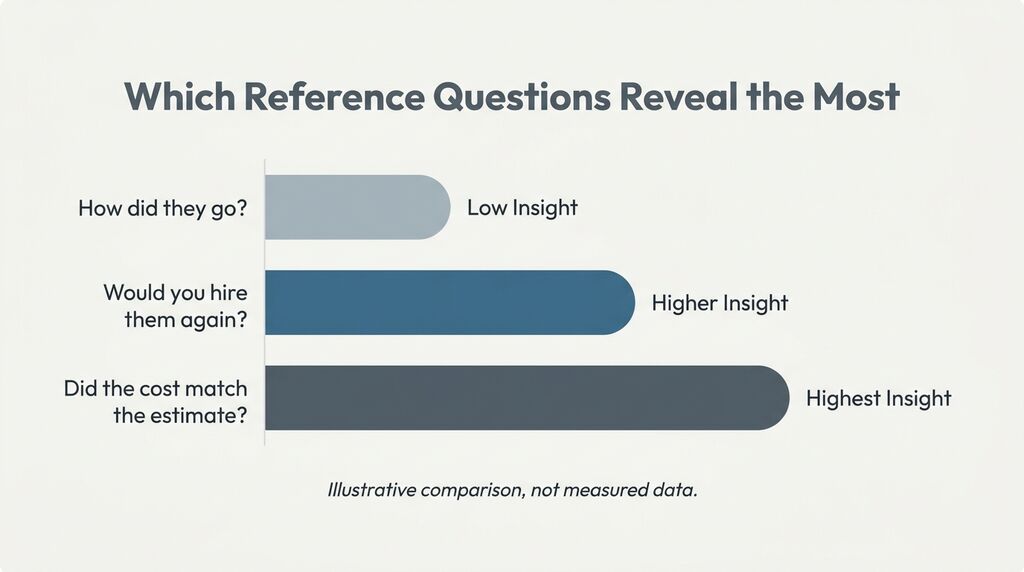
Getting honest references means asking for specific addresses rather than a curated list of names, then asking former clients pointed questions about budget accuracy, timeline changes, and how problems got resolved instead of a generic “how did it go?” Vague questions produce vague, overly positive answers.
Questions That Actually Reveal Something
Getting a real answer means asking former clients about cost accuracy and conflict resolution, not overall satisfaction. Specific questions force honest reflection in a way a generic rating never does.
- “Did the final cost match the original estimate, and if not, why?” This gets at forecasting honesty far better than asking about price directly.
- “How did they handle it when something went wrong?” Every project hits a snag. The response to it matters more than whether one happened.
- “Would you hire this builder again for a second home?” According to NAHB, this single question consistently surfaces more honest feedback than asking clients to rate their overall satisfaction.
Talk to Clients From Different Timeframes
A homeowner who moved in last month can describe the building experience in detail. A homeowner from several years back can tell you how the home has actually held up and how warranty issues were handled once the sales relationship ended.
If a builder can only produce recent references, ask why. It is not always a red flag on its own, but it is a question worth asking directly.
Ready to go deeper once you trust the builder? Vetting comes first, but pricing structure, warranty coverage, and contract terms matter just as much before you sign. Read: 5 Questions to Ask Before You Sign →
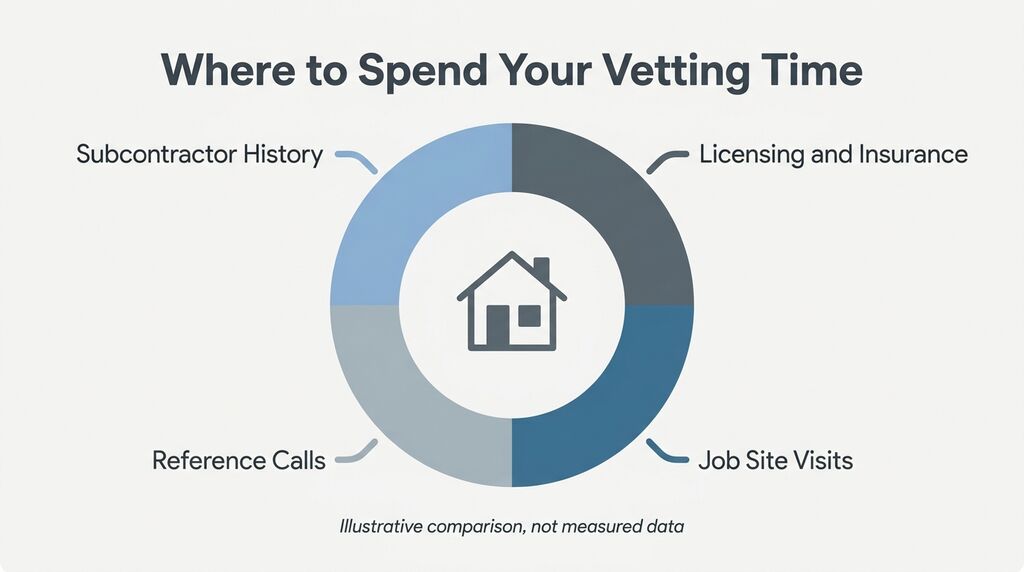
Vetting Method vs. What It Actually Reveals
| Vetting Method | What It Reveals | What It Does Not Reveal |
|---|---|---|
| License and insurance check | Legal standing and financial protection | Craftsmanship or communication style |
| Active job site visit | Organization, safety, crew consistency | Long-term durability of finishes |
| Reference calls with specific questions | Honesty in estimating and problem-solving | How the builder handles a client unlike you |
| Better Business Bureau history | Pattern of unresolved disputes | Quality on projects that went smoothly |
| Subcontractor tenure | Consistency and trade relationships | Pricing or design flexibility |
What Do a Builder’s Subcontractor Relationships Reveal?
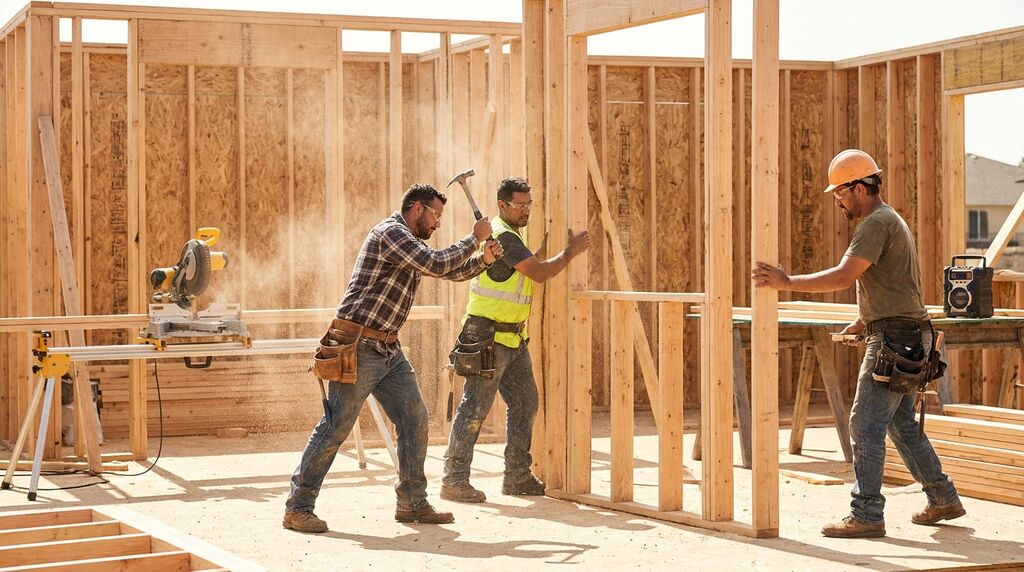
A builder’s subcontractor relationships reveal whether the trades on your home are consistent, experienced with that builder’s standards, and available when scheduling gets tight. Long-standing trade partnerships prevent scheduling delays and keep craftsmanship consistent from foundation to finish.
Why This Matters More Than It Sounds
Framers, electricians, and plumbers who bounce between builders every project are working from a different playbook each time. Builders who keep the same trade partners across years have already worked out the friction points that cause delays and callbacks elsewhere.
How to Ask About It Without Sounding Odd
Simply ask how long the builder has worked with their primary subcontractors on framing, electrical, and plumbing. A builder proud of those relationships will answer specifically. One who has not thought about it, or who cannot answer, is telling you something too.
Curious how that consistency shows up in a real floor plan? Structural options and finish selections both depend on trade partners who know a builder’s standards inside and out. Explore Semi-Custom Home Building →
What Are the Red Flags That Should Make You Walk Away?
The clearest red flags are pressure to sign quickly, an inability to produce licensing or insurance documents on request, reluctance to let you visit an active site, and reviews that consistently mention the same communication problems. Any one of these alone might be explainable. More than one together is a pattern.
Red Flags Worth Taking Seriously
Recognizing warning signs during an early sales meeting prevents regret once construction is underway. Repeated communication breakdowns and defensive answers are signals worth taking seriously the first time you see them.
- Pressure to sign the same day. A legitimate builder expects you to take the contract home and review it.
- Cannot produce documentation on request. Licensing, insurance, and warranty paperwork should be available before you ask twice.
- Discourages or delays site visits. A builder proud of their work does not stall when you ask to walk an active project.
- Reviews mentioning the same complaint repeatedly. One bad review is normal. Three describing the same issue is a pattern.
- Cannot answer basic technical questions directly. If every question gets deferred to someone else, that is worth noting.
Trusting Your Own Read on the Interaction
Beyond the checklist, pay attention to how a builder treats you during the sales process itself. Someone who welcomes hard questions during the interview will likely welcome them during construction too. Someone who gets defensive now rarely improves once you have signed.
What Does a Confident Answer Sound Like vs. a Dodge?
| What You Ask | Confident Builder Response | Response Worth Questioning |
|---|---|---|
| “Can I see your license and insurance?” | Provides documents same day or within 24 hours | Says it will “get sent over” with no timeline |
| “Can I visit an active site this week?” | Offers a specific date and time | Suggests waiting until a later, unspecified phase |
| “How long have you worked with your framing crew?” | Names the company and years of history | Cannot answer or changes the subject |
| “Would past clients be willing to talk to me?” | Offers names and addresses readily | Offers only a short list of hand-picked reviews |
What Should You Do Next Before You Sign With Anyone?
The next step is narrowing your list to two or three builders who pass the licensing and insurance check, then scheduling job site visits and reference calls with each before comparing notes side by side. Doing this in parallel, rather than one builder at a time, makes the differences between them much easier to see.
Shortlist Based on Verified Credentials First
Eliminate anyone who cannot produce a valid license and proof of insurance before you invest more time. This step alone narrows most lists quickly.
Schedule Site Visits and Reference Calls in the Same Week
Comparing notes while details are fresh makes patterns easier to spot than spacing visits weeks apart.
Trust the Pattern, Not a Single Data Point
One so-so reference or one messy site visit is not necessarily disqualifying. A pattern across multiple sources is what should guide the decision, and touring active communities side by side is the fastest way to see that pattern for yourself.
Frequently Asked Questions about How to Choose a Home Builder
Should I hire an attorney before signing anything with a builder?
It depends on the scope of the project and your own comfort reviewing legal documents. Many buyers review contracts on their own for a standard semi-custom or spec purchase, while those pursuing a fully custom build with significant land or design complexity often find a real estate attorney worthwhile. Either way, never sign the same day you receive a contract.
How many builders should I realistically interview?
Three is a reasonable target for most buyers. Fewer than that limits your ability to compare, while interviewing more than five or six tends to create decision fatigue without meaningfully improving the outcome. Focus the extra time on deeper vetting of your top two or three instead of casting the widest possible net.
Can online reviews alone tell you if a builder is trustworthy?
Not on their own. Reviews are useful for spotting patterns, especially repeated complaints about the same issue, but they cannot replace a direct site visit or a phone call with a former client. Treat reviews as one input among several rather than the deciding factor.
What if a builder won’t let you visit an active job site?
Treat that as a serious warning sign rather than a minor inconvenience. Legitimate scheduling or safety constraints exist, but a builder should be able to arrange a supervised visit within a reasonable window. Repeated delays or outright refusal usually means there is something on that site they would rather you not see.
Does a longer time in business always mean a more trustworthy builder?
Not automatically, though it does reduce certain risks. A builder in business for decades has weathered market downturns and proven they can service warranties long after closing, which matters. Tenure alone does not guarantee current quality, so pair years in business with the site visits and reference checks above rather than relying on longevity by itself.
Which Builder Deserves Your Trust in Omaha?
Regency Homes has been building across the Omaha metro since 1961, and that kind of tenure only happens by passing this exact vetting process with thousands of families before you. Our licensing, insurance, and trade partner relationships hold up to the same scrutiny we would recommend for any builder, and we would rather you ask hard questions now than have doubts after signing.
We were named a 2026 Best of Omaha winner for the work our teams do across communities from Bellevue to Bennington, built by the same trade partners we have worked with for years and backed by warranty coverage we stand behind long after closing. Walking one of our active sites is the fastest way to see whether the standard described above matches what we actually do.
Ready to see it for yourself? Call 402-256-5727 or send a message, and a New Home Counselor will set up a job site visit at a community near you. Contact Regency Homes →