


Key Takeaways:
- The cost of living in Omaha Nebraska is roughly 9-10% less than the national average, with the most significant savings found in housing and utilities.
- You can expect to spend 18-20% less on your mortgage or rent compared to other major metros, allowing your budget to go much further toward a custom home.
- Daily expenses like transportation and healthcare remain below the norm, while groceries stay competitive with national prices.
- A $100,000 salary effectively provides a $10,000 “raise” simply by relocating from a high-cost market like Denver or Chicago to the Omaha metro.
Read on to discover exactly how these 2026 numbers impact your plan to build or buy in Nebraska.
What Is the Overall Cost of Living in Omaha?
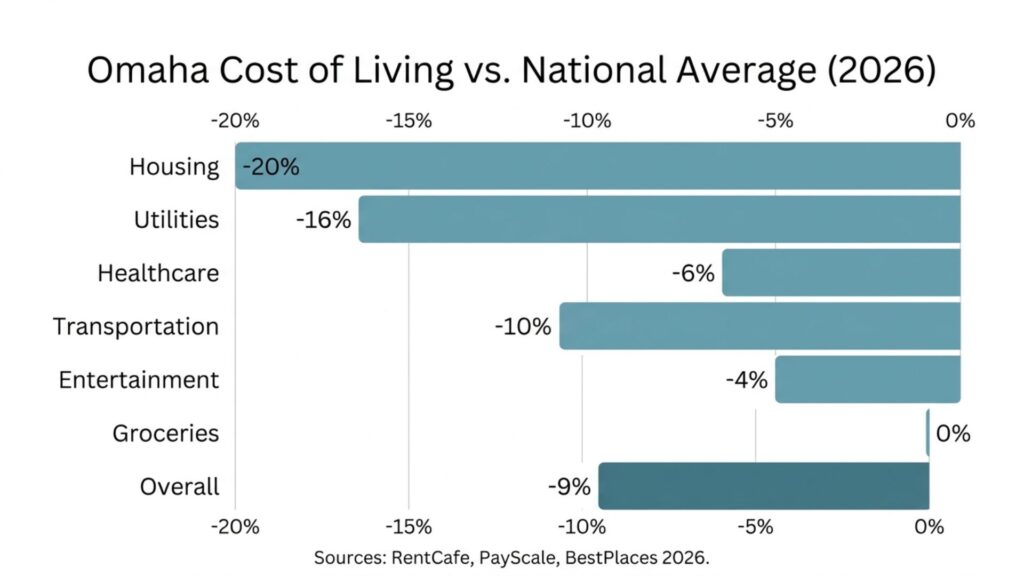
Omaha’s cost of living is approximately 9-10% below the U.S. national average, according to PayScale’s 2026 calculator. Housing drives most of the savings. Groceries land right at the national norm.
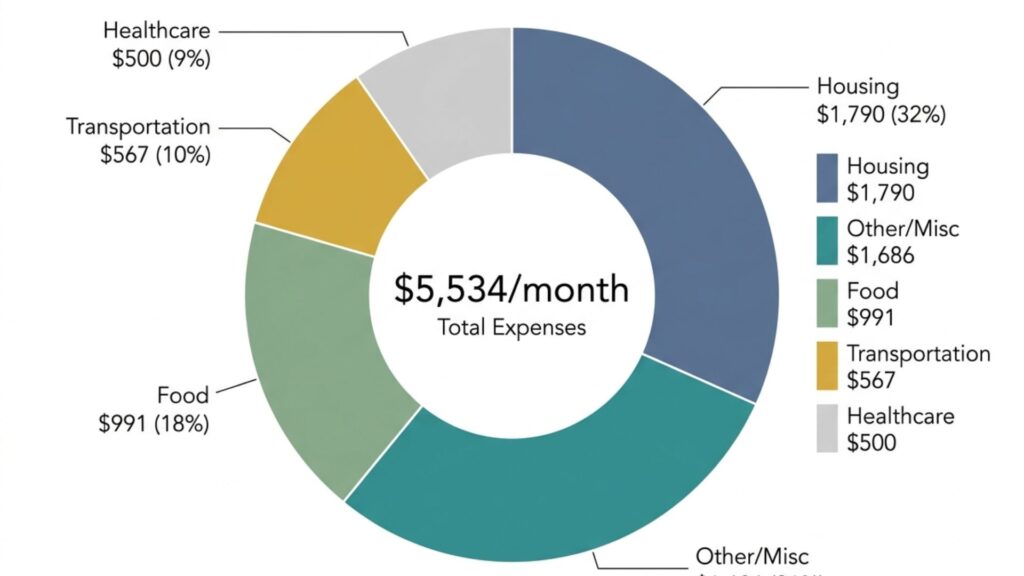
Here’s what those percentages look like in actual dollars for a family of four, using Salary.com’s April 2026 data:
What a Family of Four Actually Spends in Omaha (2026)
| Category | Monthly Cost in Omaha | vs. U.S. Average | You Save |
|---|---|---|---|
| Housing | $1,790 | 18-20% lower | ~$400-$500/mo |
| Food | $991 | ~equal | — |
| Transportation | $567 | 10% lower | ~$60/mo |
| Healthcare | $500 | 4-6% lower | ~$25-$30/mo |
| Other (utilities, personal) | $1,686 | varies | — |
| Total | $5,534/mo | ~$500+/mo vs national avg |
The housing savings are what actually move the needle. Everything else is a rounding error by comparison.
What Does Housing Cost in Omaha?
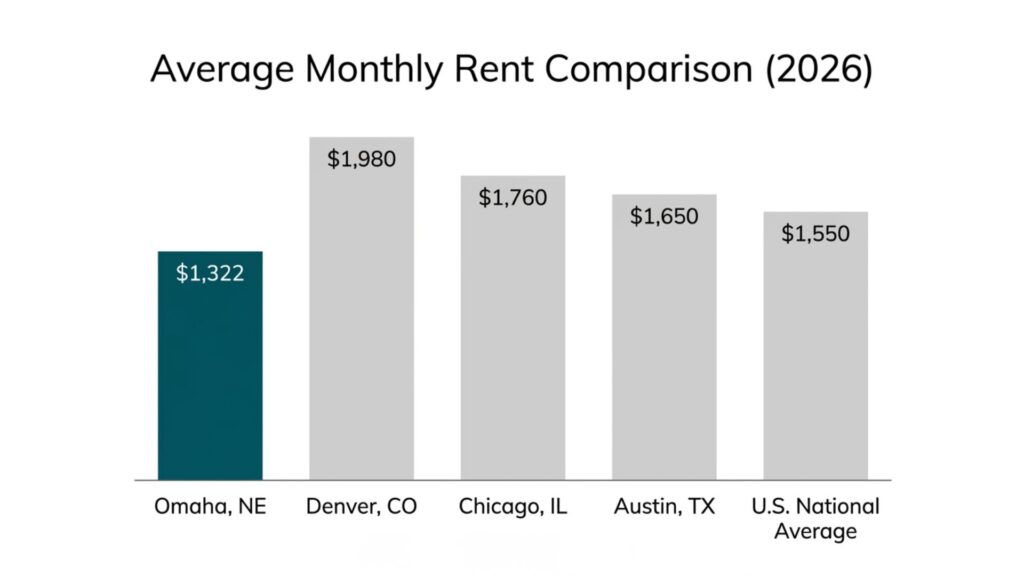
Housing is where Omaha’s affordability story is strongest. The average monthly rent is $1,322 according to RentCafe’s March 2026 data, and the average home price in the metro sits at approximately $385,924. Both figures are below national averages, though both have risen significantly since 2020.
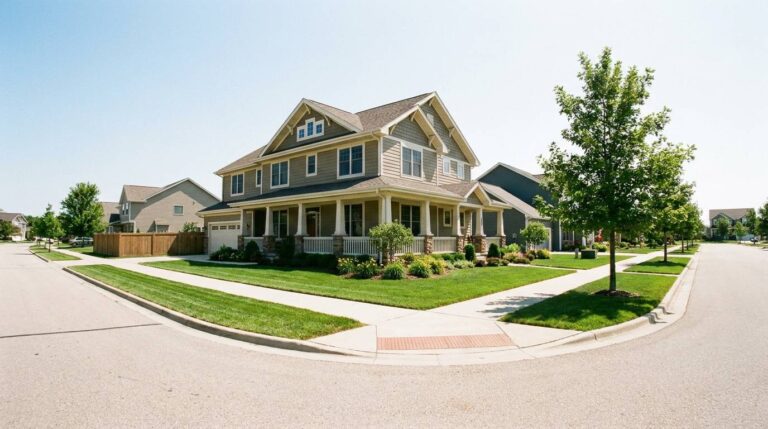
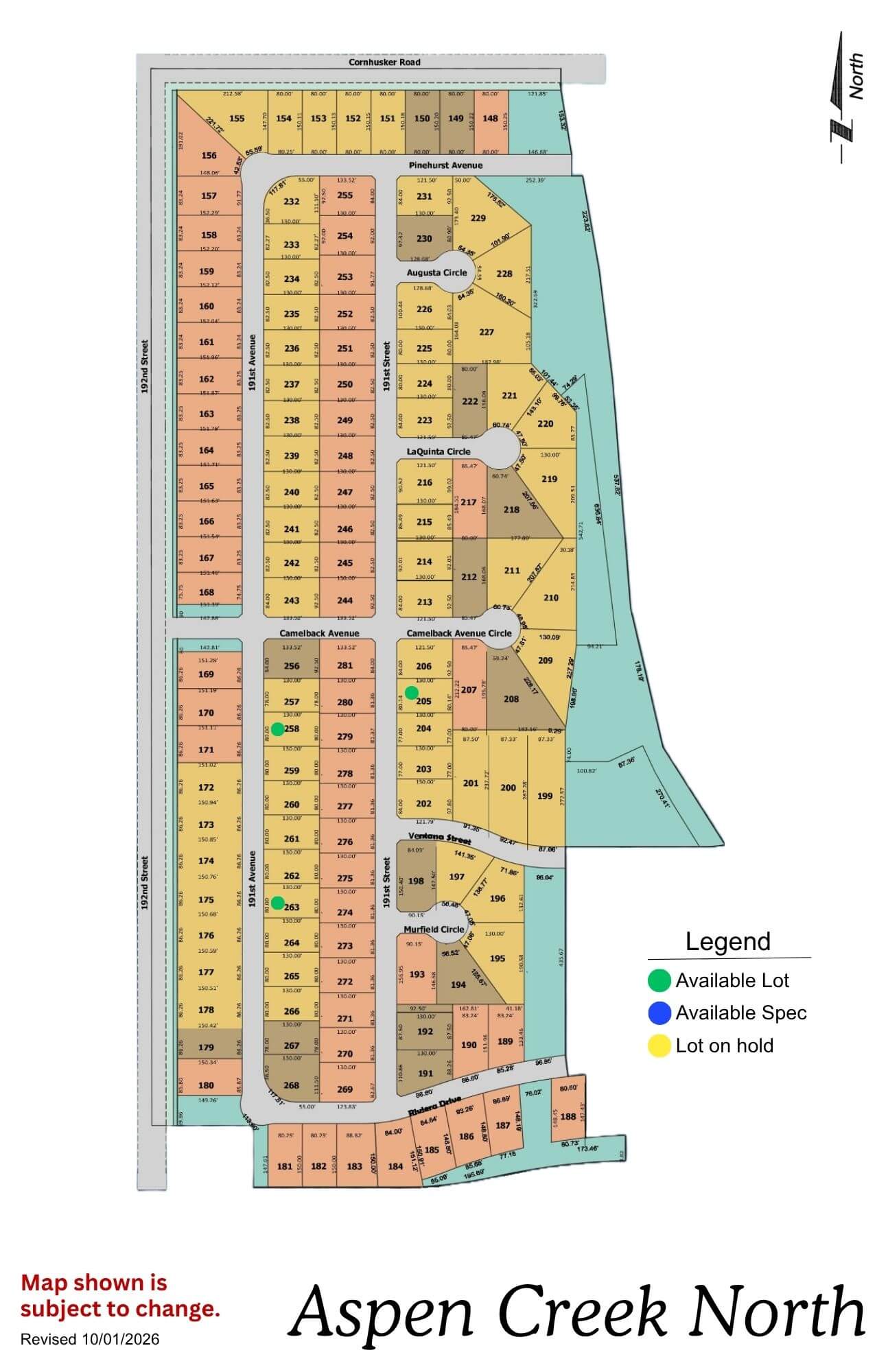
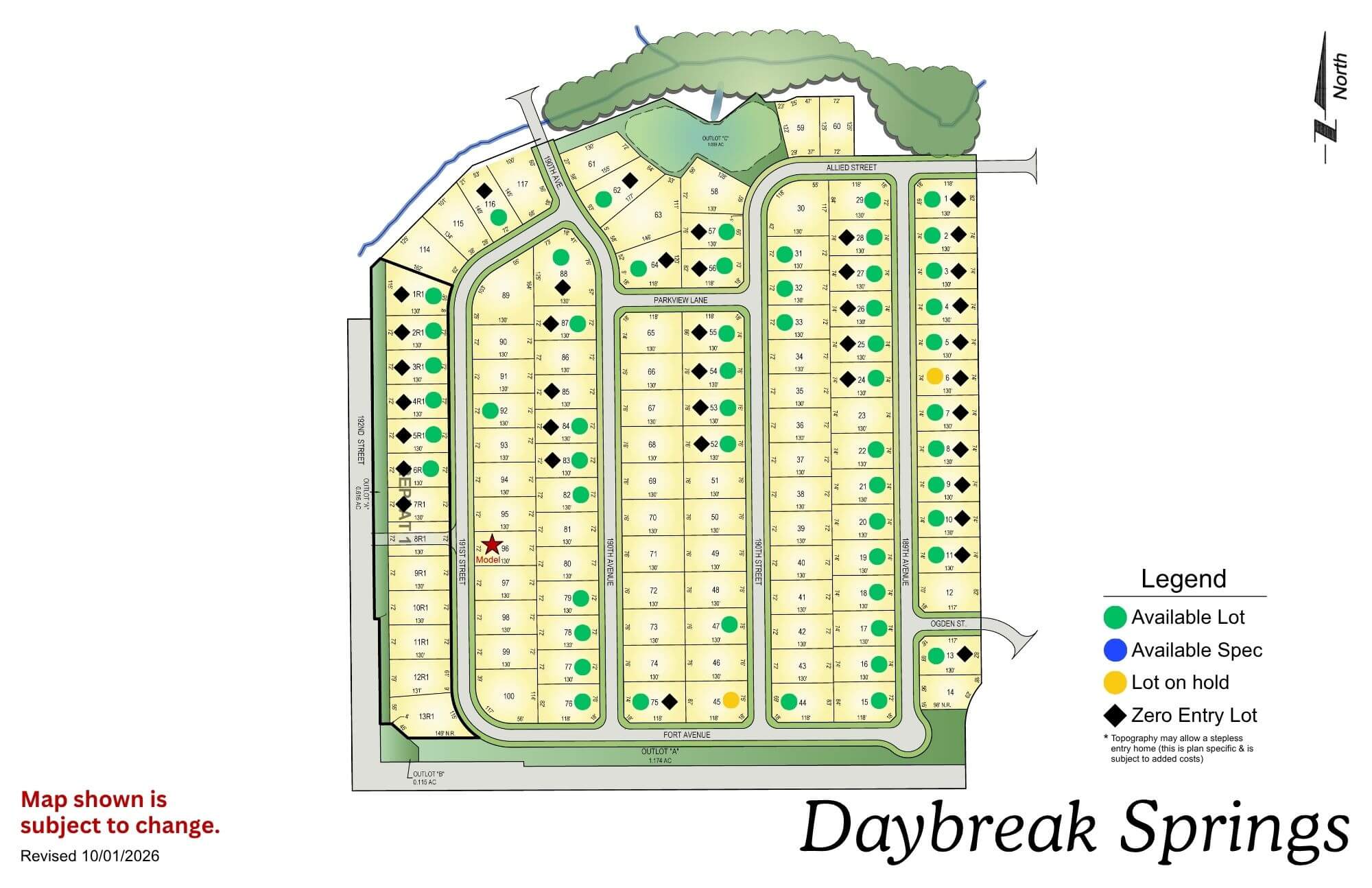
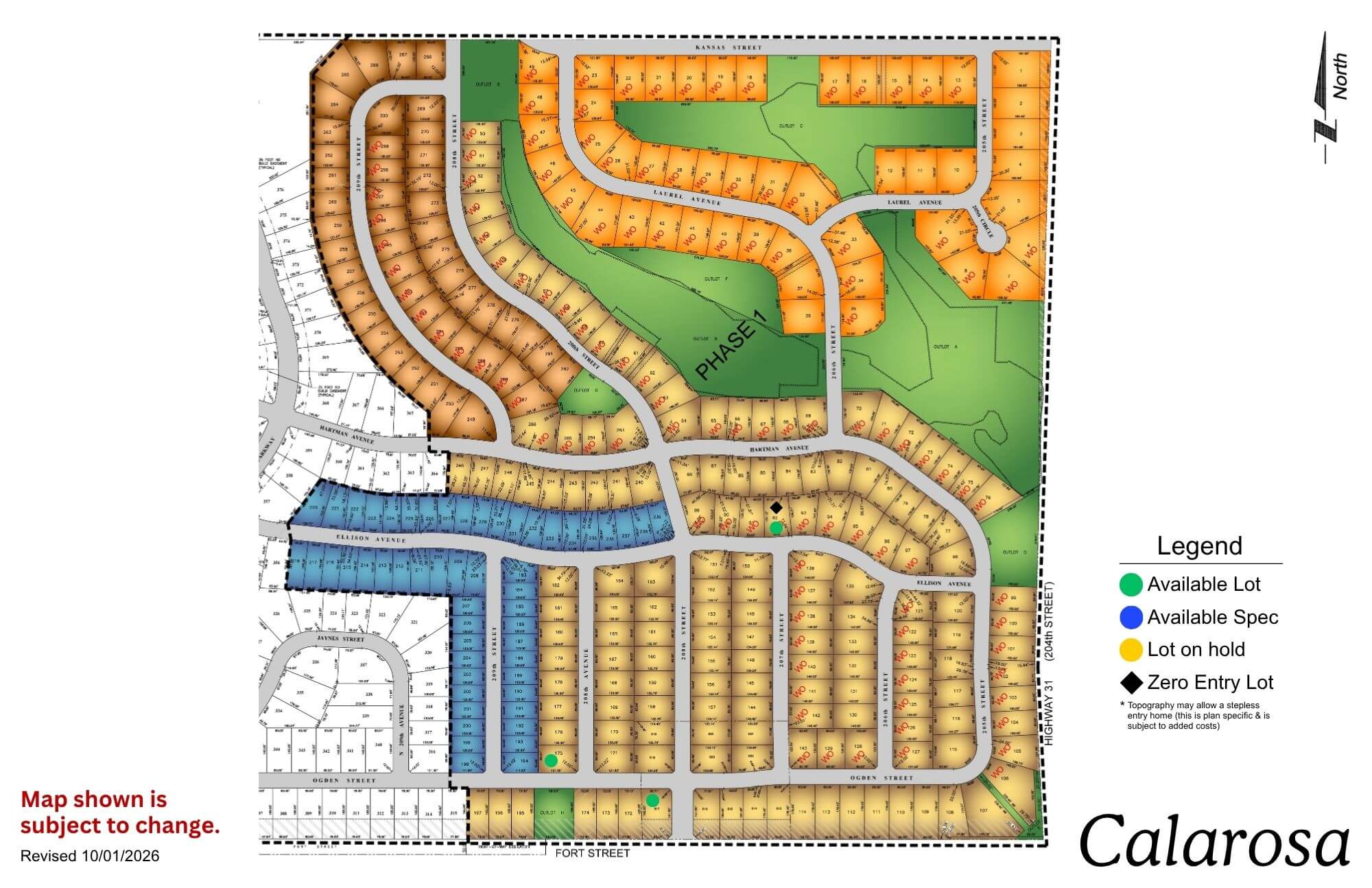
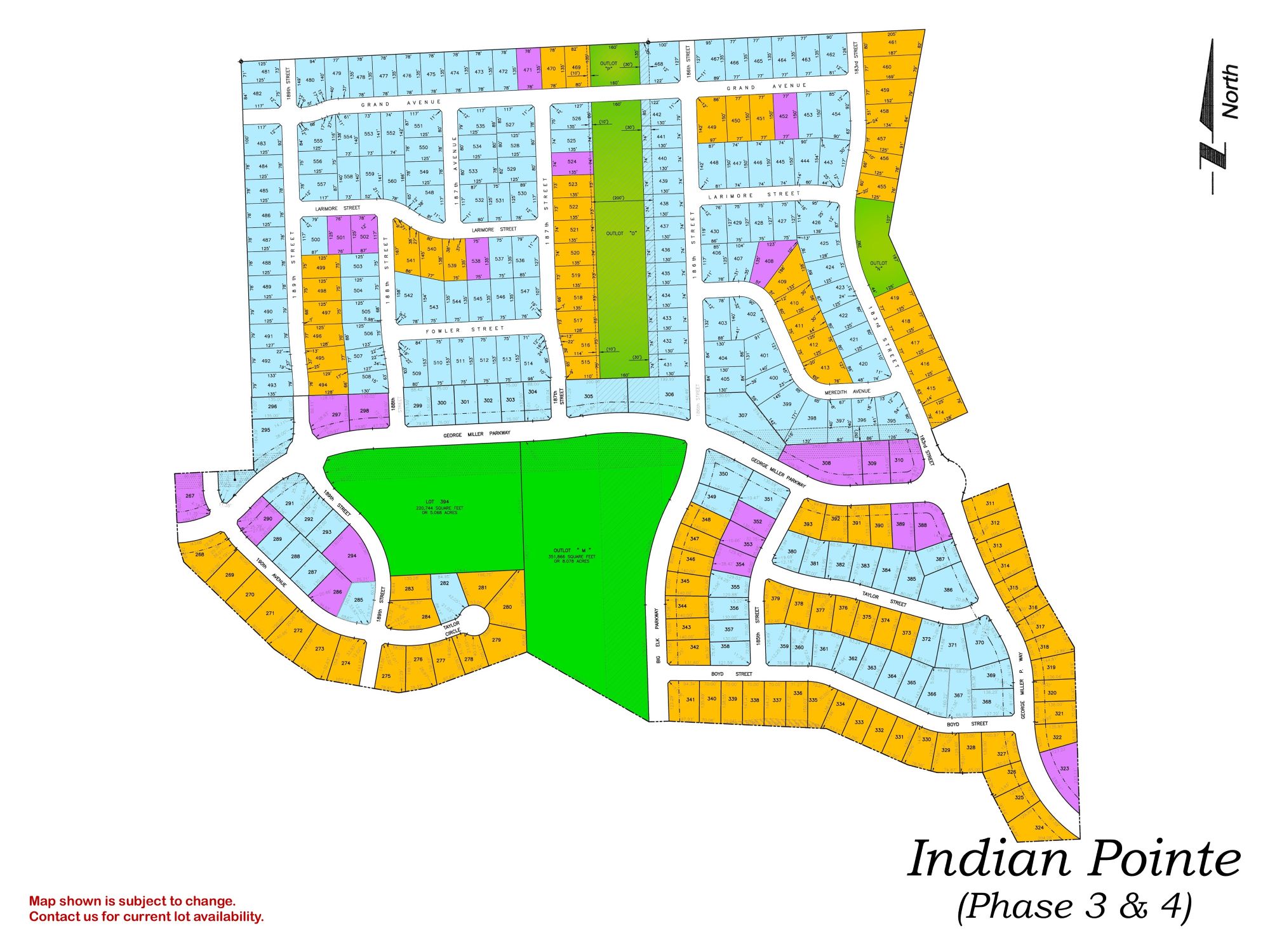
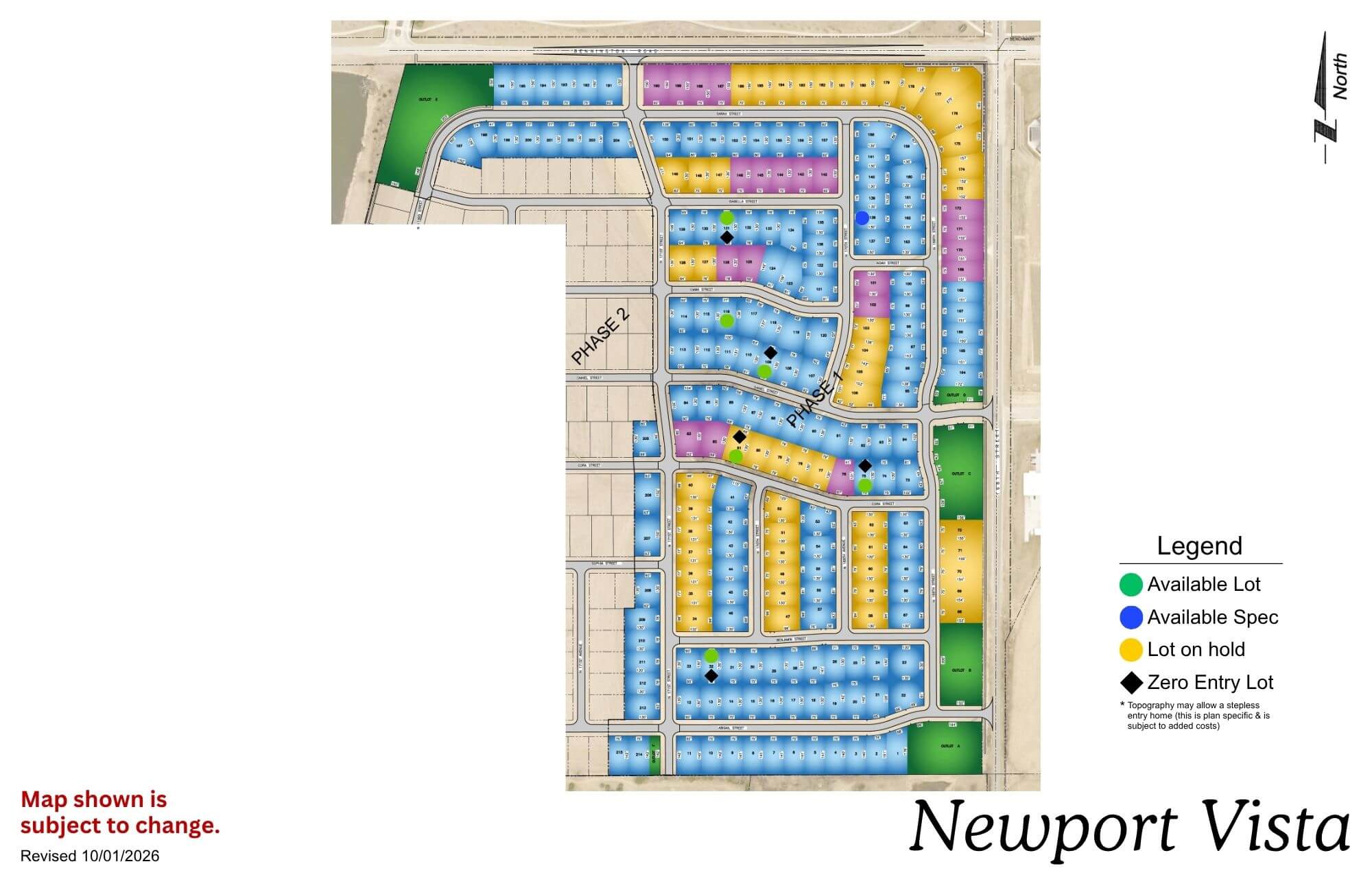
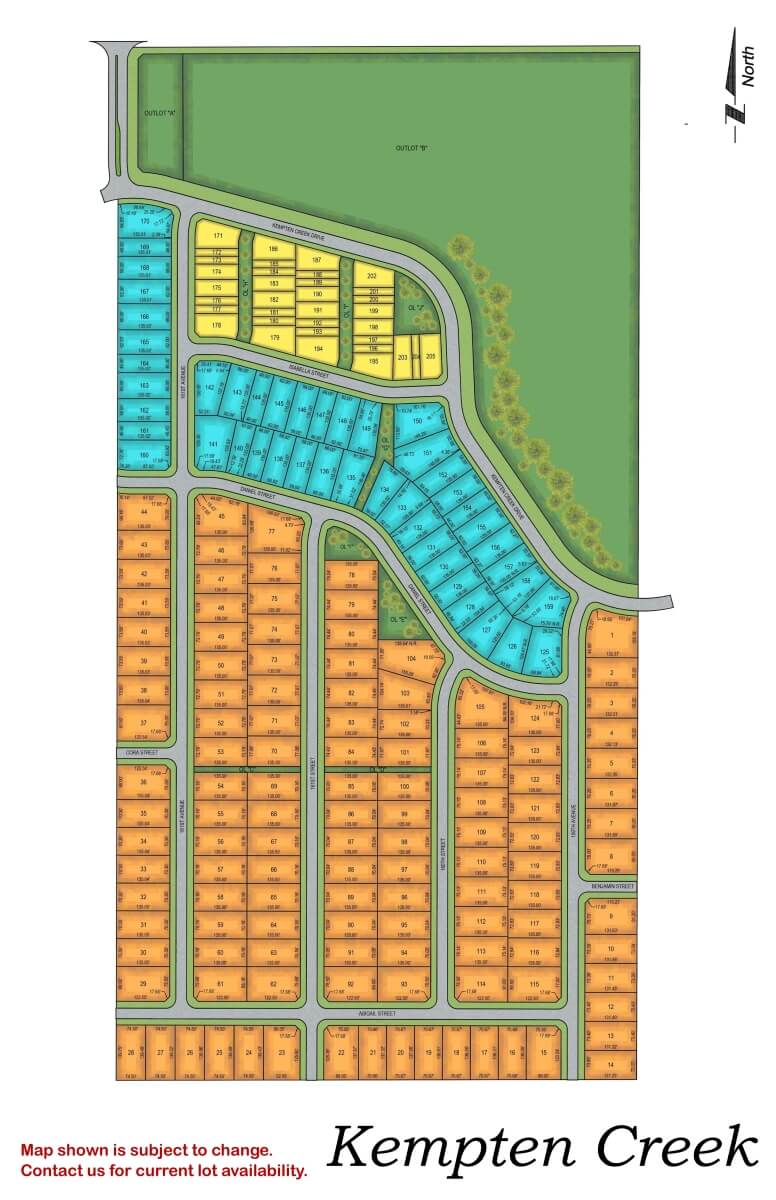
A word on home price figures: you’ll see numbers ranging from $230,000 to $390,000 depending on what’s being measured. The median home value (the midpoint of all homes) is typically reported around $265,000 for the city proper, while the metro average (which includes newer construction and suburban communities) is closer to $385,000-$390,000. New construction in fast-growing suburbs like Bennington, Elkhorn, and Papillion starts around $300,000 and can go well above that for larger floor plans.
Housing Snapshot: Omaha 2026
| Housing Type | Typical Range |
|---|---|
| Studio / 1-BR apartment | $850-$1,100/mo |
| 2-BR apartment (average) | $1,200-$1,500/mo |
| City median home price | ~$265,000 |
| Metro average home price | ~$385,924 |
| New construction suburban | $300,000-$500,000+ |
| Property tax (effective rate) | ~1.6% of assessed value |
| Monthly energy bills | ~$154/month |
The rent-to-income ratio in Omaha sits at approximately 19%, well below the 30% threshold that financial advisors typically flag as a stress point, according to WalletLoom’s 2026 Omaha analysis. Most Omaha households aren’t being squeezed by housing the way coastal renters are.
Here’s the thing people don’t say out loud enough: in a market like this, the math on new construction often beats the alternative.
A 50-year-old resale in District 66 might list at $350,000 but need a new roof, new HVAC, and a kitchen that was last touched in 2002.
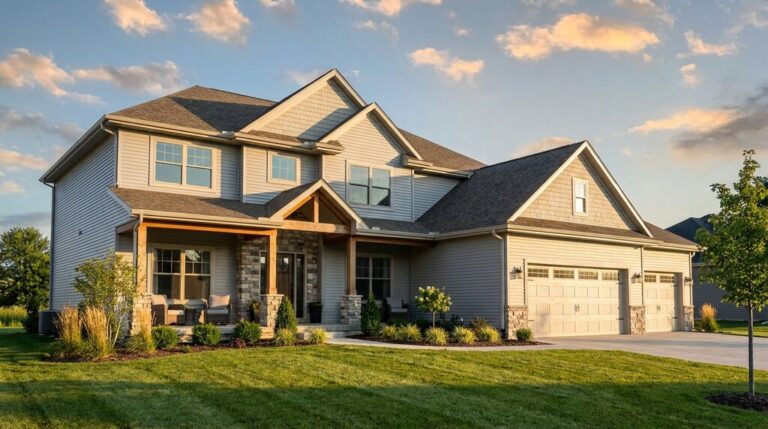
A new construction home in Bennington or Papillion at $330,000 comes with a builder warranty, energy-efficient systems, and a floor plan you actually chose. The numbers end up closer than they look on Zillow.
Thinking about buying rather than renting in Omaha? The math often favors buying in this market, and new construction gives you a home designed exactly for your family. Our guide on building vs buying breaks down the numbers for the Omaha area specifically. Read: Is It Cheaper to Build or Buy a House in Omaha? →
What Are Grocery, Utility, and Transportation Costs in Omaha?
Groceries in Omaha run at essentially the national average. Utilities and transportation are clearly below it.
Groceries
Omaha grocery prices are roughly at the national norm, according to both PayScale. Specific current prices: a gallon of milk runs about $4.88, a dozen eggs about $4.15, a pound of potatoes about $4.52, per RentCafe’s 2026 data. You’re not going to save significantly on groceries by moving to Omaha, but you’re not paying a premium either.
Utilities
Energy bills in Omaha average around $154 per month, with total monthly utilities (electricity, gas, water, internet) typically running $250-$350, according to HonestCasa’s 2026 Omaha guide. That’s about 15-16% below the national average. Nebraska’s relatively mild seasons compared to the northern Midwest help keep heating costs manageable.
Transportation
Omaha is a driving city. Public transit exists but coverage is limited, and most residents commute by car. Gas prices run about 10% below the national average. The median commute time is under 20 minutes for most suburban communities, which is a significant quality-of-life factor for families comparing Omaha to larger metros where 45-60 minute commutes are common.
Healthcare
Doctor visits and dental care run 4-6% below the national average, per PayScale’s calculator. Omaha has a strong healthcare infrastructure, with the Nebraska Medical Center and several large regional health systems employing a significant portion of the metro workforce.
What Salary Does a Family Need to Buy a Home in Omaha?
For a family of four buying a new construction home in Omaha’s suburbs, $90,000-$110,000 in household income is the realistic target. That covers the mortgage, taxes, insurance, and regular family expenses without cutting it close every month.
Here’s the actual mortgage math on a $340,000 new construction home: 20% down leaves a $272,000 loan. At 6.2% on a 30-year fixed that’s about $1,670/month in principal and interest. Add Omaha’s effective property tax rate of 1.6% ($454/month) and homeowners insurance (~$110/month), and total monthly PITI lands around $2,234. On a $100,000 household income, that’s 27% of gross, right inside the 28% guideline lenders use. lenders use.
Omaha’s median household income is $72,708. A two-income household earning close to that median can own in Omaha’s outer suburbs. A single-income household at that level will feel the stretch.
The buyers who find Omaha’s math genuinely compelling are the ones arriving with incomes built elsewhere. A $130,000 remote salary calibrated for Seattle, Austin, or Chicago buys a new construction home in Bennington with room to spare. That’s the profile driving most of Regency Homes’ business right now, and it’s not hard to understand why.
See Papillion and Elkhorn homes in your price range. Regency Homes builds new construction in both communities starting in the low $300,000s. Papillion → Elkhorn →
How Does Omaha Compare to Other Cities?
Denver is the comparison that comes up most. Omaha’s cost of living scores about 90.8/100 against the national average, per BestPlaces. Denver runs 25-30% above the national norm. On housing specifically, Omaha’s metro average is $385,000 versus Denver’s median above $600,000.
Put plainly: a $2,500/month Denver rent payment gets you a mortgage on a new construction home in the Omaha suburbs. Not a comparable home. A better one.
Chicago is similar. Same trade in income potential, lower cost of living, and 18 minutes to work instead of 45.
For families already in the Omaha metro who are renting, the build-vs-buy question is worth doing the math on. A two-bedroom apartment in a good part of town runs $1,200-$1,500/month. A mortgage on a new construction home in Bennington starts around $2,100-$2,300/month all-in. That’s $600-$800/month more, but it’s building equity in a home you chose, with a builder warranty, in a school district that actually matters. A 50-year-old resale in District 66 that lists at $370,000 and needs a new roof, new HVAC, and a kitchen from 2003 isn’t the safe bet it looks like on paper.
Omaha isn’t glamorous. The food scene is fine. The winters are real. But it’s financially solvent in a way a lot of American cities aren’t right now, and that’s a real thing.
Want a neighborhood-by-neighborhood breakdown of where to live in Omaha? Our guide to Omaha’s best neighborhoods for new construction covers the communities Regency Homes builds in and what makes each one distinct. Read: New Construction in Omaha: Best Neighborhoods →
How to Leverage Omaha’s Affordability to Build Your Dream Home
The math for moving to Omaha only works if you turn those savings into equity. Most people wait until they are “settled” to look at houses, but in this market, that is a mistake that costs you thousands in rent.
Step 1: Compare Your Current Rent to Omaha Mortgage Potential
If you currently pay $2,500 or more in rent in a city like Denver, you could likely own a brand-new home in an Omaha suburb for the same monthly investment. Use local calculators to see how far $1,322—the average Omaha rent—stretches when applied to a mortgage on a $385,000 home.
Step 2: Target High-Growth Suburbs Early
Look at communities like Bennington, Elkhorn, or Papillion before they fully build out. These areas offer the best balance of lower daily costs, shorter 20-minute commutes, and top-tier school districts that protect your home’s resale value.
Step 3: Audit Your “Hidden” Savings
Factor in the 15-16% savings on utilities and 10% lower gas prices when calculating your debt-to-income ratio. These “small” wins add up to thousands of dollars in extra purchasing power for your home’s finishes or square footage.
Frequently Asked Questions about Cost of Living in Omaha Nebraska
What is the real impact of Omaha’s property taxes on monthly costs?
While housing prices are lower than the national average, the effective property tax rate sits at approximately 1.6% of the assessed value. This is a critical figure to include in your monthly escrow calculations, as it is often the single highest “carrying cost” of owning a home in Nebraska.
How does a family of four determine their ideal income for the suburbs?
A family of four looking to own a home comfortably in neighborhoods like Elkhorn or Bennington should aim for a household income between $90,000 and $110,000. This range allows for mortgage payments on a suburban home while maintaining a lifestyle that includes travel and emergency savings without the financial stress found in coastal metros.
Are there hidden costs associated with Omaha’s geographic isolation?
Being physically distant from other major hubs can increase the cost of regional travel and shipping for specific specialty goods. However, this isolation often protects the local economy from the extreme market volatility seen in more densely connected coastal corridors, leading to more stable long-term home values.
Do local wages keep pace with the 2026 cost of living?
It is important to note that many local industry salaries may run below national averages, which can offset some of the cost-of-living benefits. Remote workers bringing coastal salaries often find the greatest financial advantage, while those seeking local employment should verify that their specific field offers competitive pay for the region.
Is it more expensive to live in Douglas County versus Sarpy County?
Choosing between Douglas and Sarpy County involves balancing property tax rates and specific school district fees. Suburban growth in Papillion and Bennington suggests that while initial purchase prices vary, the long-term value in these specific school districts remains a primary driver for family relocation and overall affordability.
The Bottom Line on Omaha Affordability
Omaha is strategically affordable. While housing prices have risen since 2020, the 18-20% discount compared to the U.S. average means you can stop compromising on square footage and school districts. If you’re tired of high-cost markets and hour-long commutes, it’s time to build a life where your dollar actually has some muscle.
Ready to see what your budget can build? Contact Regency Homes today to start your plan.