


Building a house in Omaha typically costs more upfront than buying an existing home. In 2026, the median existing home price in Omaha sits around $285,000, while building a comparable new home runs $350,000 to $450,000 including land. That’s a gap of $65,000 to $165,000.
But “cheaper” depends on what you’re measuring.
We’ve been building homes in the Omaha metro since 1961. Over 5,000 homes and six decades later, we’ve had this conversation with thousands of buyers. The answer is rarely simple math. It depends on your timeline, your priorities, and what you’re actually comparing.
Here’s what the real numbers look like in 2026, and how to figure out which path makes sense for you.
The Real Cost Comparison: Building vs Buying in 2026
Buying an existing home in Omaha costs less on day one, but the total cost picture shifts over time.
Existing Home Costs in Omaha (2026):
- Median sale price: $267,000 to $322,000 depending on the source and month
- Average price per square foot: $149 (Redfin, January 2026)
- Typical closing costs: 2% to 3% of purchase price
- Average age of housing stock: 35+ years
New Construction Costs in Omaha (2026):
- Semi-custom construction: $130 to $180 per square foot
- Custom construction: $200 to $300 per square foot
- Land in Omaha metro: $50,000 to $120,000
- Total for 2,000 sq ft semi-custom home: $310,000 to $480,000
According to the National Association of Home Builders, construction costs hit a record 64.4% of the final home price in 2024, up from 60.8% in 2022. Material prices have stabilized somewhat, but labor costs continue climbing.
New Construction vs Existing Home: What the Numbers Miss
The sticker price comparison misses half the story. Here’s what most cost calculators leave out.
Hidden Costs of Buying Existing:
- HVAC replacement (if 15+ years old): $8,000 to $15,000
- Roof replacement: $10,000 to $25,000
- Window upgrades for efficiency: $8,000 to $20,000
- Electrical panel upgrade: $2,000 to $4,000
- Plumbing repairs on older homes: $3,000 to $10,000
- Higher monthly utility bills: $100 to $200 more per month
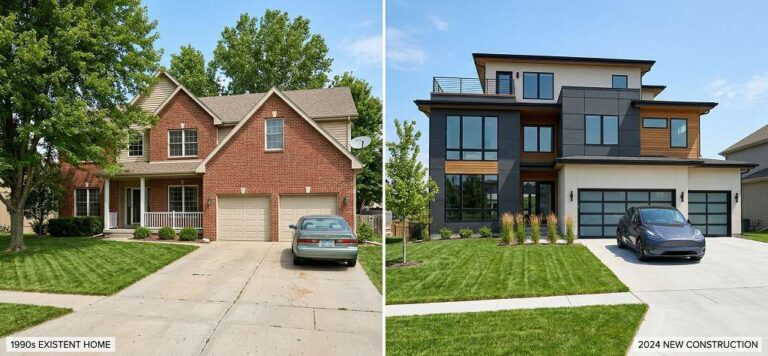
A 2024 study by the U.S. Department of Energy found that homes built to current energy codes use 30% to 40% less energy than homes built before 2000. Over 10 years, that’s $12,000 to $24,000 in utility savings.
What New Construction Includes:
- Full builder warranty (typically 1 to 10 years)
- Current building codes and safety standards
- Modern insulation and HVAC efficiency
- No deferred maintenance surprises
- Brand new appliances and systems
When you factor in avoided repairs and lower operating costs, the gap narrows. Sometimes it closes entirely.
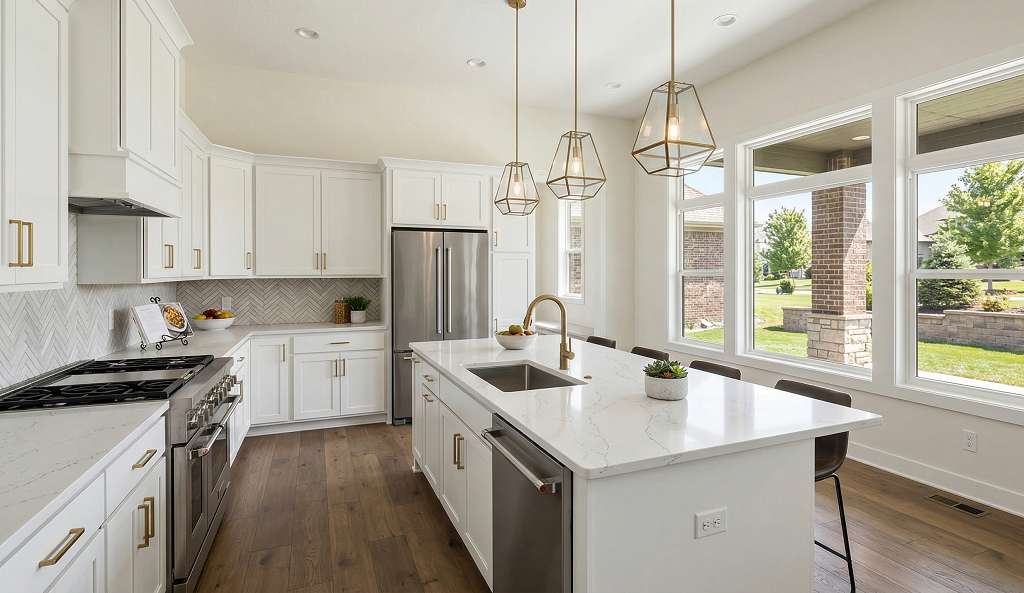
Should I Build or Buy a House? Five Questions to Ask
This decision comes down to your specific situation, not averages. Run through these questions honestly.
Question 1: How long will you stay?
Building makes more financial sense if you’re staying 7+ years. The upfront premium gets offset by lower maintenance, energy savings, and appreciation on a newer home. If you’re moving in 3 to 5 years, buying existing usually wins on pure dollars.
Question 2: What’s your timeline?
Need to move in 60 days? Buy existing. Building takes 5 to 8 months from contract to move-in, and that’s if everything goes smoothly. Add 2 to 3 months if you’re making design decisions during construction.
Question 3: Can you find what you want?
Omaha’s inventory is tight. In January 2026, homes sold in 33 days on average with just 1.8 months of supply on the market. If you need specific features, a particular school district, or accessibility requirements, you might not find it in existing inventory.
Question 4: What’s your tolerance for compromise?
Every existing home requires compromise. Wrong layout. Outdated kitchen. Too small garage. Weird backyard. Building lets you skip the “we can live with it” conversations, but you pay for that privilege.
Question 5: How do you handle uncertainty?
Building involves decisions. Lots of them. Finishes, fixtures, layouts, timelines, budgets. Some people love the process. Others find it exhausting. Know yourself before you commit.
How to Decide Between Building and Buying

Follow this step-by-step process to make a clear decision based on your actual numbers, not assumptions.
Calculate Your True Existing Home Budget
Start with what you can afford for an existing home. Include closing costs (budget 3%), moving expenses, and an immediate repair fund of $10,000 to $15,000 for a home over 20 years old. If your mortgage approval is $350,000, your realistic existing home budget is closer to $320,000.
Research What That Budget Buys
Spend a few weeks on Zillow and Redfin. Tour 5 to 10 homes in your price range. Note what you’re compromising on. Document the age of major systems. Be honest about what you’re settling for.
Get Real Construction Estimates
Visit builders and ask for actual pricing on homes similar to what you toured. Not “starting at” prices. Real, complete numbers including lot, construction, and standard features. At Regency Homes, we walk through specific floor plans with real pricing so you know exactly what things cost.
Compare Apples to Apples
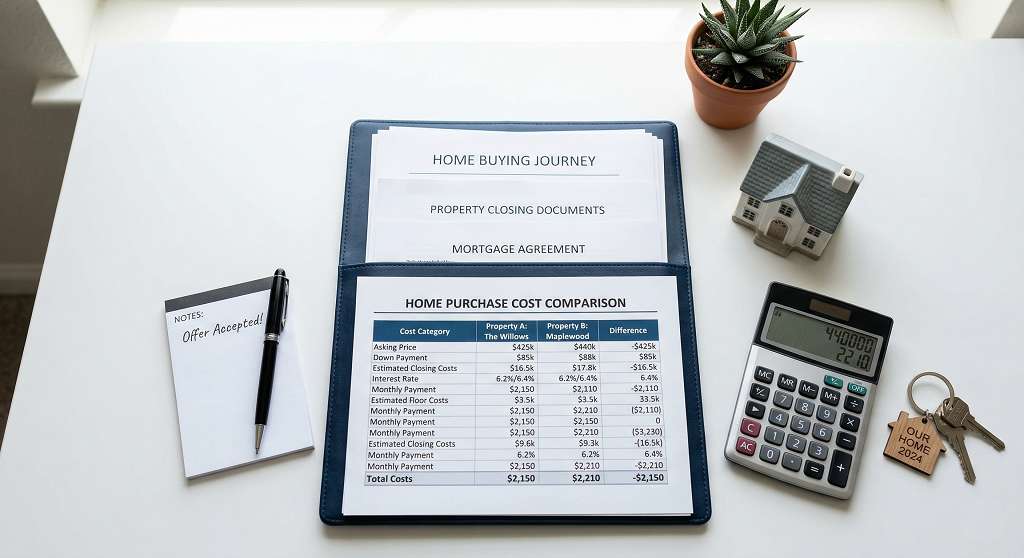
Put a 2,200 square foot existing home next to a 2,200 square foot new build. Same neighborhood quality. Same number of bedrooms and bathrooms. Now add the repair costs to the existing home and subtract the energy savings from the new build over your expected ownership period.
Factor in Intangibles
Some things don’t have a price tag. The smell of new construction. No previous owner’s paint color choices. A floor plan designed for how you actually live. Warranty coverage when something goes wrong. These matter, even if spreadsheets can’t capture them.
Make the Call
If the numbers are within 10% of each other, go with your gut. The “right” choice is the one you won’t second-guess in three years.
When Building Makes More Sense
Building wins financially in specific situations.
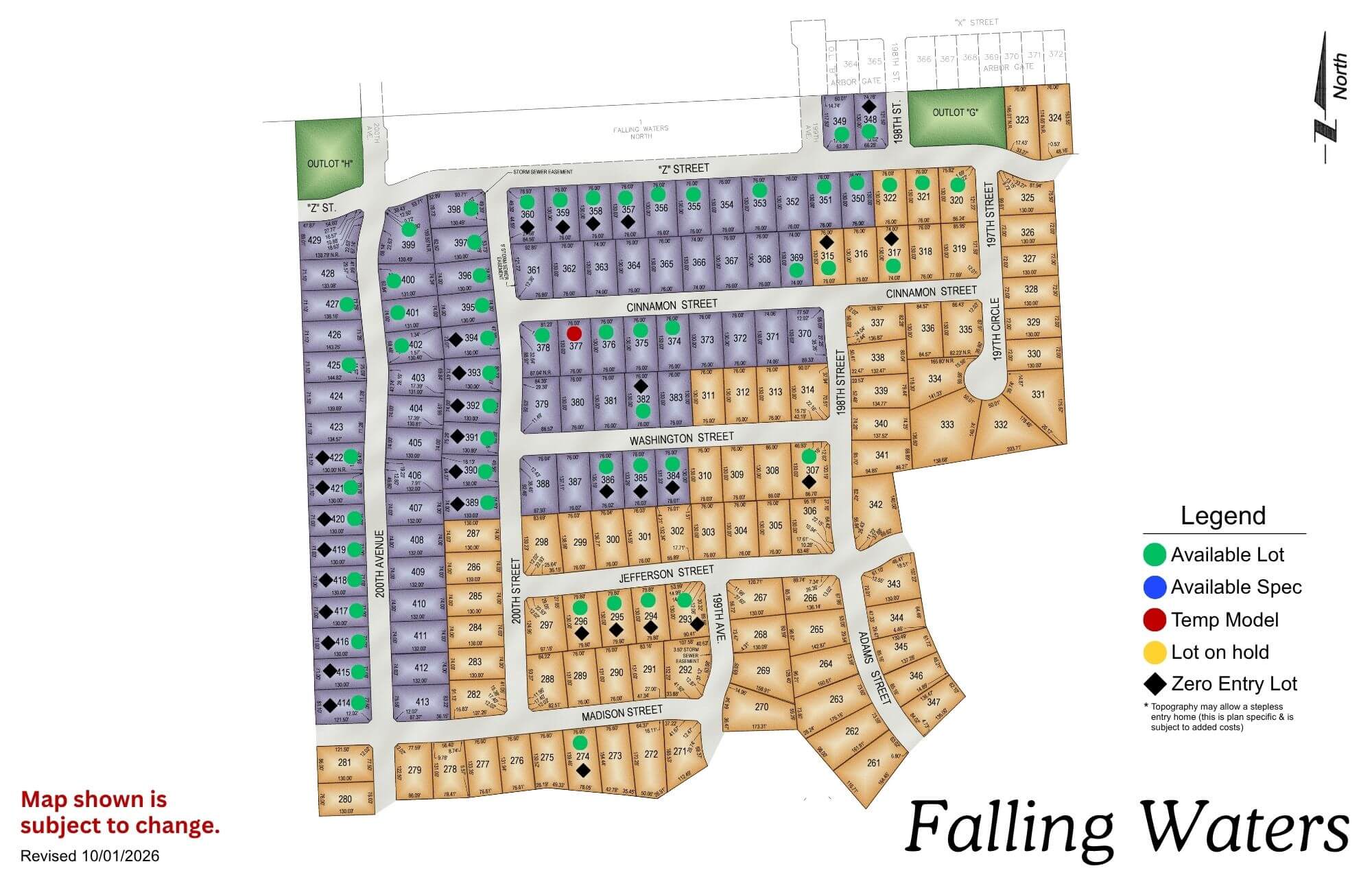
You’re buying in a new community. Areas like Gretna and west Elkhorn have limited existing inventory. New construction is often the only option, and you benefit from neighborhood appreciation as the community develops.
You have specific needs. Aging in place features. Home office requirements. Multi-generational living. Accessibility modifications cost far more to retrofit than to build in from the start.
You’re tired of losing bidding wars. Omaha’s existing home market is competitive. Homes sell at 98% of asking price with multiple offers. New construction means no bidding wars and a fixed price.
You value low maintenance. New homes come with warranties. You won’t replace a roof, furnace, or water heater for 15 to 20 years. That peace of mind has real value.
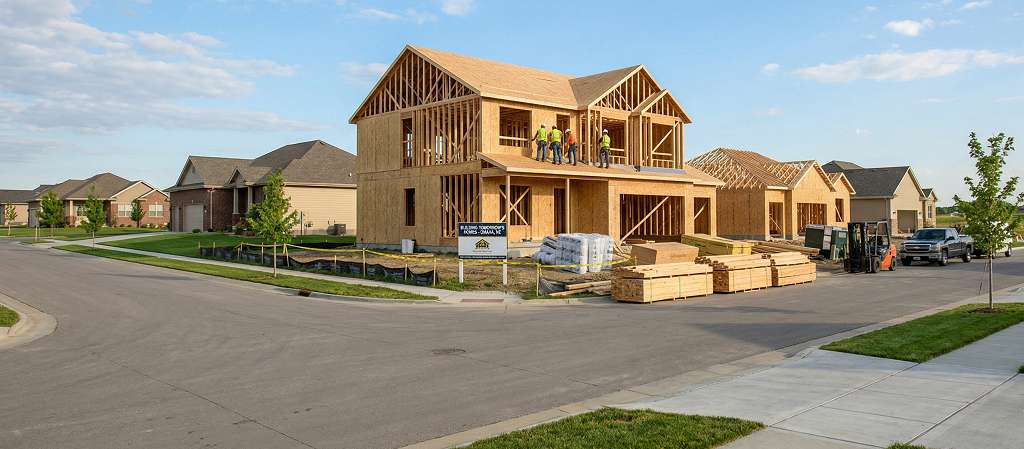
When Buying Existing Makes More Sense
Buying wins in other situations.
You need to move fast. Job relocation, lease ending, life changes. Building takes time you might not have.
You love established neighborhoods. Mature trees, proven school districts, walkable streets with history. You can’t build that.
Your budget is tight. If you’re at the edge of affordability, the lower upfront cost of existing homes matters more than long-term savings.
You found the perfect house. Sometimes you walk into an existing home and it’s exactly right. Don’t overthink it.
Frequently Asked Questions
Is it cheaper to build or buy a house in Nebraska in 2026?
Buying is typically cheaper upfront in Nebraska. The median existing home price in Omaha is around $285,000, while building a similar home costs $350,000 to $450,000 including land. However, when you add repair costs, higher utility bills, and shorter remaining lifespan of major systems, the 10-year cost of ownership often favors new construction for homes you plan to keep long-term.
How much does it cost to build a 2,000 square foot house in Omaha?
A 2,000 square foot semi-custom home in Omaha costs $260,000 to $360,000 for construction alone in 2026. Add $50,000 to $100,000 for land in the metro area, and total cost lands between $310,000 and $460,000. Custom homes with upgraded finishes can reach $200 to $300 per square foot, pushing totals above $500,000.
How long does it take to build a house in Omaha?
Most new homes in Omaha take 5 to 8 months from breaking ground to move-in. Semi-custom homes with established floor plans average 5 to 6 months. Full custom designs can take 9 to 12 months. Weather delays in Nebraska’s winters can add 2 to 4 weeks.
What are the hidden costs of buying an existing home?
Major hidden costs include HVAC replacement ($8,000 to $15,000), roof repairs ($10,000 to $25,000), window upgrades ($8,000 to $20,000), electrical updates ($2,000 to $4,000), and higher monthly utilities ($100 to $200 more than new construction). Homes over 20 years old often need $15,000 to $40,000 in updates within the first five years.
Should I wait for lower interest rates to build a house?
Waiting rarely pays off. Material and labor costs typically rise 3% to 5% annually. If rates drop 1% but construction costs rise 5%, you’ve lost ground. Most financial advisors suggest buying or building when you find the right situation, then refinancing if rates drop significantly later.