


Choosing a home builder in Omaha is one of the biggest financial decisions you’ll make. The average new home in the Omaha metro costs between $330,000 and over $800,000, not including upgrades. Get it wrong, and you’re stuck with problems for years. Get it right, and you’ll have a home your family loves for decades.
After building over 5,000 homes in Omaha since 1961, we’ve seen what happens when buyers skip the hard questions. We’ve also seen what happens when they ask the right ones. This isn’t just any checklist. It highlights what truly matters before you sign a contract for hundreds of thousands of dollars.
Here are the five questions that separate informed buyers from regretful ones.
1. What Does Your Home Builder Warranty Actually Cover?
A home builder warranty protects your investment after you move in. However, coverage can differ a lot between builders. Some offer bare-minimum protection. Others back their work for a decade or more.
What to Look For in a Builder Warranty
The best home builders in Omaha typically offer multiple layers of warranty protection:
Structural Warranty (10 Years): This covers the key parts of your home, foundation, load-bearing walls, and roof structure. If something shifts or cracks due to construction defects, you’re protected. Look for warranties backed by third-party companies like Home Buyers Warranty Co., not just the builder’s promise.
Systems warranty (2-3 years): Plumbing, electrical, HVAC, and other mechanical systems should be covered beyond the first year. These are expensive to repair and problems often surface after initial settling.
Workmanship warranty (1 year): This covers finish work—drywall cracks, trim issues, paint problems. Every reputable builder includes this at minimum.
Red Flags to Watch For
Be cautious if a builder:
- Only offers a 1-year warranty with no structural coverage
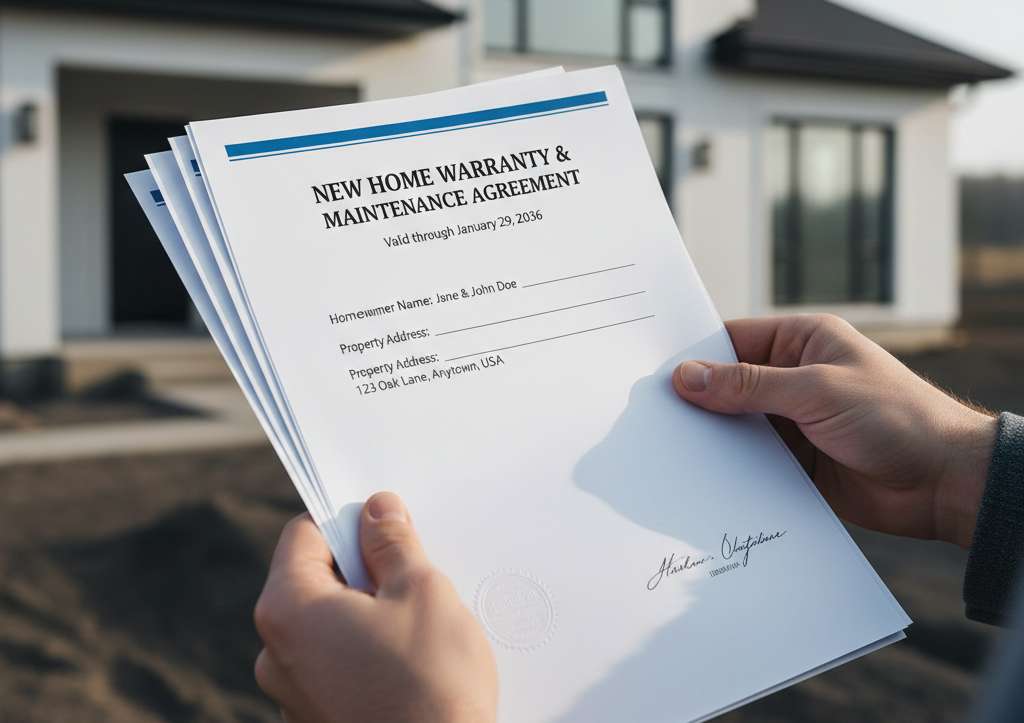
- Can’t provide warranty documents before you sign
- Has no third-party warranty backing
- Won’t explain what’s excluded
At Regency Homes, we offer:
- A 1-year written builder warranty
- A 3-year Service One warranty
- A 10-year structural warranty from Home Buyers Warranty Co.
We also follow up at 60 days and 11 months to catch issues before warranty periods expire.
Questions to Ask About Warranty
- What exactly is covered under each warranty tier?
- Who administers the warranty—you or a third party?
- What’s the process for filing a warranty claim?
- Can I see a sample warranty document before signing?
2. How Long Have You Been Building in Omaha?
Experience matters in home building, but not in the way most people think. It’s not just about how long you’ve been in business. It’s also about understanding local conditions. Good relationships with subcontractors matter too. Plus, a verifiable track record is key.
Why Local Experience Matters
Omaha has specific challenges that out-of-state or newer builders might not anticipate:
Soil conditions: The Omaha metro has varied soil types, from stable clay to expansive soils that shift with moisture. Experienced local builders know which areas need deeper footings or special foundation prep.
Weather extremes: Nebraska temperatures swing from -20°F to 100°F. Builders who’ve worked through multiple seasons understand how to schedule concrete pours, manage humidity in framing, and insulate for our climate.
Subcontractor relationships: The best electricians, plumbers, and framers in Omaha are busy. Builders with established relationships get priority scheduling and consistent crews. New builders often scramble for whoever’s available.
Code and permit knowledge: Douglas and Sarpy County have different inspection processes. Experienced builders know the inspectors, understand local code interpretations, and avoid delays.
How to Verify Builder Experience
Don’t just take their word for it. Ask for:
- References from homes built 5+ years ago: How has the home held up? Would they build with this company again?
- Addresses of completed homes: Drive by and see the quality firsthand.
- A list of current projects: A builder with multiple active sites demonstrates stability.
According to the National Association of Home Builders, the average home builder constructs about 11 homes per year. Builders who consistently complete more have systems, staff, and subcontractor relationships that translate to smoother projects.
What Experience Looks Like in Practice
When a builder has decades of local experience, you’ll notice:
- They can answer technical questions without checking with someone else
- They have documented processes for every phase of construction
- They maintain relationships with the same trade partners year after year
- They can point to homes they built 10, 20, or 30 years ago that still look great
3. What’s Included in the Base Price, And What’s Extra?
This is where home building gets complicated. Two builders might quote similar prices, but the actual cost to get the home you want could differ by $50,000 or more.
How Omaha Home Builder Pricing Works
Most home builders in Omaha use one of three pricing models:
Spec/Production Model: Fixed floor plans with limited choices. What you see is what you get. Pricing is transparent but customization is minimal. Typical price range: $280,000 – $450,000.
Semi-Custom Model: You choose from established floor plans but can modify layouts and select finishes from a wide range of options. This is where most Omaha buyers land. Typical price range: $330,000 – $700,000.
Full Custom Model: Architect-designed homes built to your exact specifications. Maximum flexibility but higher costs and longer timelines. Typical price range: $500,000 – $2,000,000+.
What’s Typically Included vs. Extra
Ask every builder to specify what’s standard:
| Usually Included | Often Extra |
|---|---|
| Basic flooring (builder-grade carpet/vinyl) | Hardwood, upgraded tile |
| Standard cabinets | Soft-close drawers, custom organization |
| Builder-grade appliances | Stainless steel, smart appliances |
| Basic lighting fixtures | Recessed lighting, pendant lights |
| Standard countertops | Quartz, granite |
| White garage doors | Windows, insulation, smart openers |
| Basic landscaping (seed/sod) | Irrigation, trees, hardscaping |
| Standard insulation | Spray foam, upgraded R-values |
The Real Cost of “Upgrades”
Here’s what actually drives up costs in Omaha new construction:
- Lot premiums: Corner lots, cul-de-sacs, and walkout basements can add $10,000-$50,000
- Structural changes: Moving walls, adding square footage, or changing rooflines
- Finish upgrades: The difference between builder-grade and mid-range finishes averages $15,000-$40,000
- Smart home features: Full smart home integration runs $5,000-$15,000
At Regency Homes, we build semi-custom homes from the upper $300s to over $800,000. Our Encore Collection includes many finishes as standard that other builders charge extra for, quartz countertops, LVP flooring, and modern fixtures.
Questions to Ask About Pricing
- Can I see an itemized list of what’s included in the base price?
- What’s the average total cost of upgrades your buyers choose?
- Are there any required upgrades or minimums for certain lots?
- How do change orders work after we’ve signed?
4. How Will You Communicate During Construction?
Poor communication is the #1 complaint homeowners have about their building experience. According to surveys from J.D. Power, communication quality affects overall satisfaction more than price or even final product quality.
What Good Builder Communication Looks Like
The best home builders in Omaha provide:
A dedicated point of contact: You should know who to call with questions. That person must answer or return calls within 24 hours.
Regular progress updates: You should get weekly emails, photos, or access to an online portal. This way, you’ll always know what’s happening with your home.
Scheduled site meetings: Walk-throughs at key phases (pre-drywall, pre-paint, final) let you see progress and catch issues early.
Clear documentation: Every decision, change, and approval should be in writing. Verbal agreements cause problems.
Phases Where Communication Matters Most
Pre-construction (weeks 1-4): Final selections, permit applications, timeline confirmation. Expect 2-3 meetings or calls per week.
Foundation and framing (weeks 5-10): Critical structural phase. You should receive photos and have at least one walk-through before drywall.
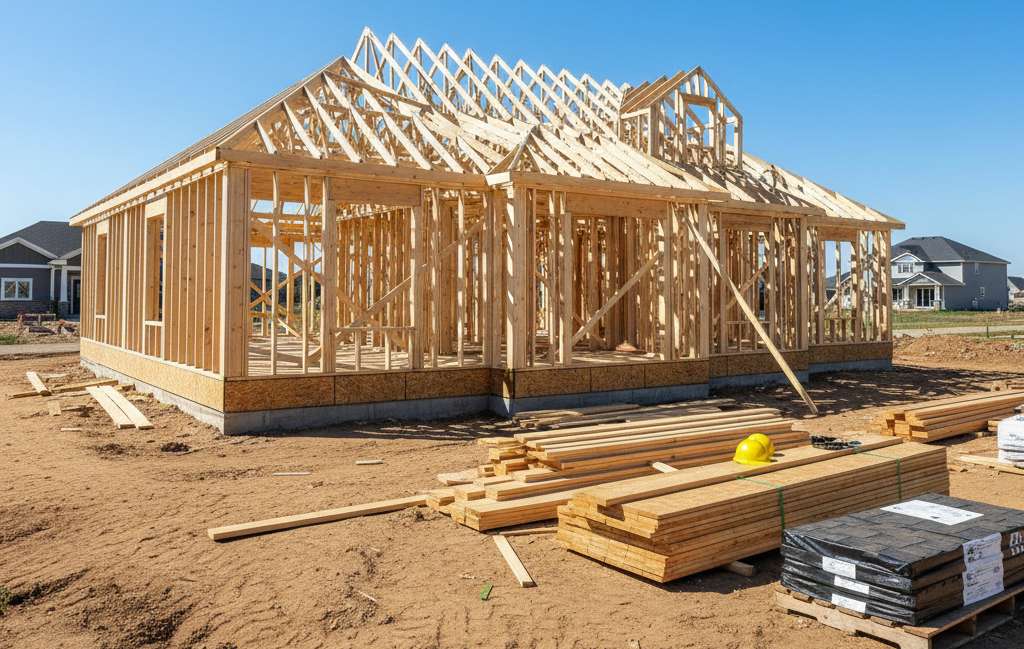
Mechanicals and drywall (weeks 11-16): Last chance to see inside walls. Pre-drywall walk-through is essential.
Finishes (weeks 17-22): Selections being installed. Weekly updates help catch errors before they’re permanent.
Final walk-through and closing: Fix any punch list items before you take ownership.
Red Flags in Communication
Avoid builders who:
- Can’t tell you who your main contact will be
- Don’t offer any formal update schedule
- Discourage site visits during construction
- Seem annoyed by questions during the sales process
At Regency Homes, we have New Home Counselors assigned to each project. They give updates during construction. We also schedule job-site meetings before construction and at key phases. You’ll never wonder what’s happening with your home.
Questions to Ask About Communication
- Who is my primary contact during construction?
- How often will I receive updates, and in what format?
- Can I visit the site during construction? Any restrictions?
- What’s your process if I have concerns or see something wrong?
5. What Should I Know Before Signing the Contract?
The home builder contract is a legally binding document that governs hundreds of thousands of dollars and months of your life. Yet many buyers sign without fully understanding what they’re agreeing to.
Key Elements of a Home Builder Contract
Every contract should clearly specify:
Total Price and Payment Schedule:
- When deposits are due
- Draw schedules for construction loans
- Final payment terms
Features and Specifications:
- A complete list of everything in your home, including:
- Floor plan
- Finishes
- Fixtures
- Appliances
If it’s not in writing, it’s not guaranteed.
Timeline and completion date: Estimated start date, construction duration, and target completion. Understand what “completion” means, certificate of occupancy vs. punch list complete.
Change order process: How modifications are priced, approved, and documented. This is where disputes often arise.
Warranty terms: All warranty coverage should be spelled out in the contract, not just mentioned verbally.
Dispute resolution: How disagreements are handled, mediation, arbitration, or litigation. Know your options before signing.
What to Review Carefully
Before signing any home builder contract in Omaha:
Allowances: Some contracts include “allowances” for items like lighting, flooring, or appliances. If the allowance is $2,000 for lighting but your selections total $4,000, you pay the difference. Know all allowances and whether they’re realistic.
Escalation clauses: With material costs fluctuating, some builders include clauses allowing price increases after signing. Understand if and how your price can change.
Cancellation terms: What happens if you need to cancel? What deposits are refundable, and under what conditions?
Completion delays: What compensation (if any) do you receive if the builder misses the target date? Are there legitimate delay exceptions?
Consider Professional Review
For contracts over $300,000, having a real estate attorney review the document is worth the $500-$1,000 cost. They’ll catch unfavorable terms you might miss.
At minimum, take the contract home and read it completely before signing. Never sign same-day under pressure.
Questions to Ask About the Contract
- Can I take the contract home to review before signing?
- What happens if material costs increase after we sign?
- Under what circumstances can either party cancel?
- How are disputes handled if we disagree on something?
How to Choose a Home Builder: Step-by-Step Process
Knowing what to ask is only part of choosing a home builder. Here’s how to put it all together:
Step 1: Research Home Builders in Your Target Area
Start by identifying builders active in the Omaha neighborhoods you’re considering. Builders often specialize in certain areas, Gretna, Papillion, Elkhorn, or Bellevue each have different builders with available lots.
– Create a shortlist of 3-5 builders based on:
– Price range alignment with your budget
– Floor plans that match your needs
– Communities in your desired school district
– Online reviews and reputation
Step 2: Visit Model Homes
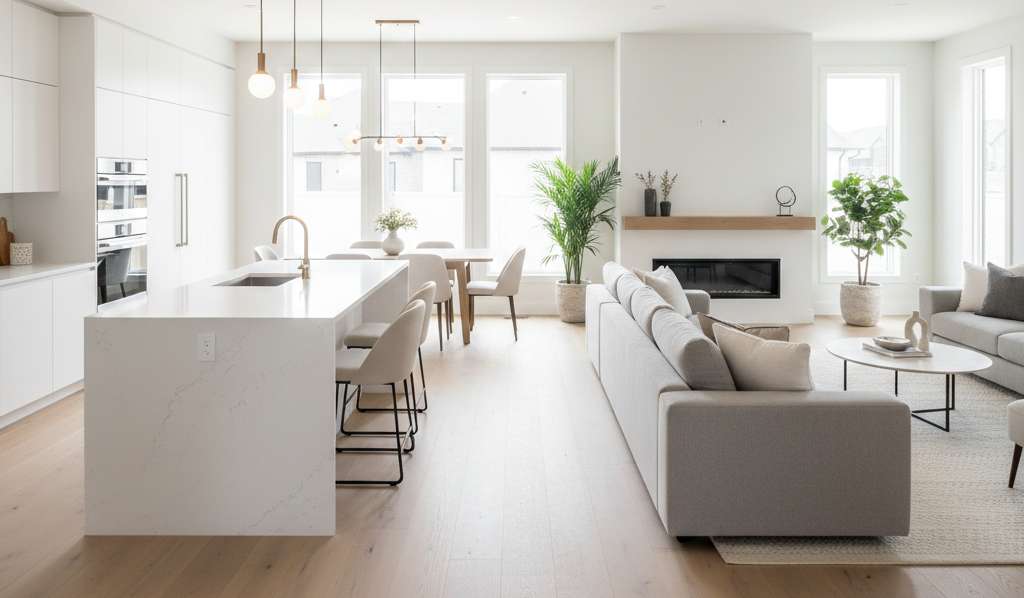
Walk through model homes with a critical eye. Look beyond staging and finishes to assess:
– Overall build quality and attention to detail
– Room sizes and flow (bring a tape measure)
– Standard features vs. upgrades shown
– How the sales team answers questions
Visit at least 2-3 models from each builder on your shortlist.
Step 3: Ask the Five Questions
Use the questions above with each builder. Take notes and compare answers. Pay attention to:
– How thoroughly they answer
– Whether they seem annoyed or welcoming of questions
– Consistency between what salespeople say and what’s in writing
Step 4: Check References and Reviews
Ask each builder for references from buyers who closed 1-2 years ago. Recent buyers can share their building experiences. Buyers from a few years ago can discuss how the home has aged and how warranty issues were managed.
Also check:
– Google reviews
– Better Business Bureau rating
– Metro Omaha Builders Association membership
Step 5: Review Contracts and Make Your Decision

Get contract samples from your top 2-3 builders. Compare them side-by-side for:
– Warranty coverage
– Included features at similar price points
– Contract terms and flexibility
– Communication commitments
The cheapest quote isn’t always the best value. Consider total cost, quality, and the building experience.
Frequently Asked Questions
How much does it cost to build a home in Omaha?
New homes in Omaha usually cost between $280,000 for basic models and over $2,000,000 for luxury custom builds. The ideal range for semi-custom homes is $350,000 to $700,000. Here, you get valuable choices without the high costs of fully custom options. Lot costs typically range from $50,000 to over $150,000 based on location and features. These costs are usually included in the figures but should be confirmed with your builder.
How long does it take to build a new home in Omaha?
Most new homes take 4-8 months from groundbreaking to move-in.
Factors that affect the timeline include:
– Weather (Nebraska winters can slow down exterior work)
– Plan complexity
– Customization level
– Current demand for subcontractors
Semi-custom homes average 5-6 months; full custom homes can take 9-12 months or longer.
What’s the difference between custom and semi-custom home builders?
Custom home builders work from architect-designed plans specific to your lot and preferences. Everything is one-of-a-kind. Semi-custom home builders, such as Regency Homes, provide tested floor plans. You can modify these plans and choose from many finish options. You get personalization without the higher costs and risks of full custom construction.
Should I get pre-approved before talking to builders?
Yes. Before visiting model homes, get pre-approved for a new construction loan. This helps you understand your true budget and shows builders you’re a serious buyer. New construction loans differ from traditional mortgages. The lender gives funds in “draws” as construction moves forward. Many builders have preferred lender relationships that can simplify this process.
What questions should I ask a home builder before signing?
The five most important questions are:
(1) What does your warranty cover and for how long?
(2) How long have you been building in this area?
(3) What’s included in the base price vs. extra?
(4) How will you communicate during construction?
(5) Can I review the contract terms before signing?
These questions reveal builder quality, transparency, and how your experience will actually go.
Are there any home builder red flags I should watch for?
Yes.
Watch out for builders who:
– Pressure you to sign fast
– Don’t provide references or warranties
– Offer much lower prices than others (this often means they cut corners)
– Struggle to answer technical questions
– Have bad online reviews about communication or warranty issues
Ready to Start Your Search for Home Builders in Omaha?
Finding the right builder takes time, but it’s worth the effort. A strong builder relationship smooths the process. You’ll enjoy the results for years or even decades.
If you’re exploring home builders in Omaha, we’d welcome the chance to answer these questions ourselves. Visit any of our model homes Thursday through Monday, noon to 5pm. Our New Home Counselors will help you with our warranty coverage. They can show you what’s included at each price point. They’ll also explain our communication process in detail.
Sixty years and 5,000+ homes have taught us that informed buyers make the best partners. Ask us anything.